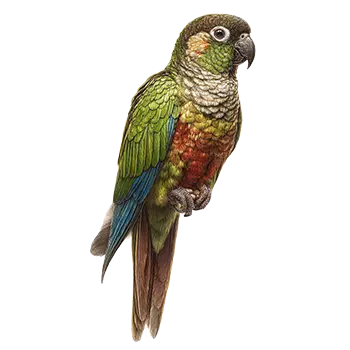

When Does Senior Begin?

Green-cheeked conures are relatively long-lived birds, with well-cared-for individuals commonly reaching 20 to 30 years of age. The transition into the senior phase is gradual and typically begins somewhere around 15 to 20 years of age, though the exact onset varies depending on genetics, diet, overall health, and lifetime care quality. There is no single event that marks the start of old age, but rather a collection of subtle changes that accumulate over time.

Early signs of aging may include a gradual decrease in activity level, less interest in vigorous play, and longer periods of quiet rest during the day. The bird may sleep slightly more than it did in its prime years and may be slower to respond to stimuli. These changes are often so gradual that owners who spend time with their bird daily may not notice them until they compare current behavior to the bird's activity level a year or two earlier.

Physical indicators of aging can include slight changes in feather quality, minor beak or nail irregularities, and a very gradual loss of muscle mass, particularly along the keel bone. Some senior conures develop a slightly rougher or less vibrant feather coat, and molts may take longer to complete. These changes are normal aspects of aging but should be monitored and discussed with your avian veterinarian to distinguish them from symptoms of treatable illness.

Recognizing the senior transition is important because it signals the need for adjustments in diet, environment, and veterinary care. A proactive approach to senior care can significantly improve quality of life and potentially extend the bird's healthy years. Rather than waiting for problems to appear, begin adapting your care routine as soon as you notice the first subtle signs of aging.

Mobility & Joint Health

As green-cheeked conures age, changes in mobility and joint function become more apparent. Arthritis is common in older parrots and may manifest as stiffness when gripping perches, reluctance to climb, difficulty stepping up, or favoring one foot over the other. You may notice the bird shifting its weight frequently or spending more time on flat surfaces rather than perching.

Adapting the cage environment for a senior conure's changing mobility is one of the most impactful things you can do. Lower perches to reduce the distance and difficulty of climbing. Replace smooth, uniform perches with wider, textured options that are easier for arthritic feet to grip. Flat platform perches can provide comfortable resting spots for birds that struggle with traditional round perches. Ensure that food and water dishes are easily accessible without requiring difficult climbs.

Gentle exercise remains important for senior birds, even those with reduced mobility. Encourage movement without demanding the vigorous activity of younger years. Short out-of-cage sessions on a tabletop play gym, gentle recall flights across short distances, and slow climbing activities all help maintain muscle tone and joint flexibility. Avoid forcing a senior bird to perform activities that cause visible discomfort or reluctance.

If you notice significant changes in your bird's ability to grip, perch, or move comfortably, consult your avian veterinarian. Pain management options and anti-inflammatory treatments may be available to improve your senior conure's comfort and maintain its quality of life. Early intervention for mobility issues prevents secondary problems such as pressure sores on the feet, which can develop when a bird cannot shift its weight normally.

Cognitive Changes

Cognitive decline in aging parrots is an area of growing veterinary interest, and owners of senior green-cheeked conures may observe subtle behavioral changes that suggest shifts in cognitive function. These can include confusion about familiar routines, reduced responsiveness to previously learned commands or cues, changes in sleep-wake patterns, and episodes of disorientation within the cage or room.

Some senior conures become more dependent on routine and more easily unsettled by changes in their environment. A bird that previously adapted easily to cage rearrangements, new toys, or schedule changes may become anxious or stressed by the same disruptions in its later years. Maintaining a consistent daily routine with predictable feeding times, social interaction periods, and sleep schedules provides a sense of security for the aging bird.

Mental stimulation remains important for senior conures, even if the intensity and complexity need to be adjusted. Continue offering foraging opportunities, but make them simpler and more accessible. Easy-to-manipulate foraging toys, familiar puzzles, and gentle training refreshers all keep the brain engaged without causing frustration. Social interaction with trusted family members continues to be a valuable source of cognitive stimulation.

It is important to distinguish normal age-related cognitive changes from symptoms of treatable medical conditions. Sudden or dramatic behavioral changes in a senior bird are more likely to indicate illness than simple aging. Conditions such as liver disease, kidney dysfunction, metabolic disorders, and even brain lesions can produce behavioral symptoms that mimic cognitive decline. Any notable change in behavior warrants a thorough veterinary workup to rule out medical causes.

Nutrition for Aging

The nutritional needs of a senior green-cheeked conure shift as its metabolism slows and its body becomes less efficient at processing nutrients. Caloric requirements generally decrease with reduced activity, making portion control more important to prevent obesity. At the same time, the need for certain vitamins, minerals, and easily digestible protein sources may increase to support organ function and immune health.

A high-quality pellet diet remains the foundation, but your avian veterinarian may recommend a senior-specific formulation or adjustments to the pellet-to-fresh-food ratio based on blood work and physical condition. Fresh vegetables and fruits continue to play an important role, and soft, easy-to-eat options may become increasingly important for birds with beak wear or reduced jaw strength. Lightly steamed vegetables can be easier for senior birds to consume while retaining most of their nutritional value.

Hydration is a particular concern in older birds. Some senior conures drink less water as they age, which can strain the kidneys and contribute to dehydration. Monitor water intake and ensure dishes are always fresh and easily accessible. Offering water-rich fruits and vegetables such as cucumber, watermelon, and leafy greens can supplement fluid intake. If your veterinarian identifies concerns about kidney function or hydration status, they may recommend subcutaneous fluid therapy or other interventions.

Avoid the temptation to spoil a senior bird with excessive treats or seed-heavy comfort foods. While it is natural to want to indulge an aging companion, nutritional quality becomes more important, not less, as the body's ability to compensate for dietary shortcomings diminishes. Work with your avian veterinarian to develop a dietary plan tailored to your individual bird's health profile and needs.

Increased Veterinary Care

Senior green-cheeked conures benefit from more frequent veterinary monitoring than their younger counterparts. While annual checkups are standard for adult birds, semi-annual visits are recommended once a conure enters its senior years. These more frequent assessments allow your veterinarian to track trends in weight, blood values, and organ function that might be missed with less frequent monitoring.

Comprehensive blood panels become increasingly valuable as the bird ages. Liver and kidney values, calcium levels, blood glucose, and complete blood counts provide a detailed picture of internal health. Trends in these values over time are often more informative than any single set of results. Discuss with your veterinarian which tests are most appropriate for your bird's age and health history, and maintain a consistent testing schedule so that meaningful comparisons can be made.

Common senior health concerns in green-cheeked conures include liver disease, kidney dysfunction, cataracts, reproductive disorders in females, and various tumors. Atherosclerosis and cardiovascular disease are also recognized in aging parrots, particularly those with a history of high-fat diets. Early detection through regular screening gives the best chance of successful management and can significantly extend quality of life.

Emergency preparedness becomes more important with a senior bird. Keep your avian veterinarian's contact information and the nearest avian emergency clinic's details readily accessible. Maintain a basic avian first aid kit and familiarize yourself with the signs of common emergencies such as respiratory distress, bleeding, seizures, and egg binding in females. Having a plan in place before an emergency occurs reduces stress for both you and your bird during a critical moment.

Quality of Life Assessment

Regularly assessing quality of life is an essential responsibility for anyone caring for a senior green-cheeked conure. Quality of life is a holistic evaluation that considers the bird's physical comfort, emotional wellbeing, ability to engage in natural behaviors, appetite, and overall enjoyment of daily life. A bird that is eating well, interacting with its flock, preening normally, and showing interest in its surroundings is generally experiencing a good quality of life.

As the bird ages, it is helpful to develop a simple tracking system for key quality-of-life indicators. Note daily food and water intake, activity level, social engagement, droppings quality, and any signs of discomfort or pain. Over time, this record reveals patterns and trends that might not be obvious from day-to-day observation. Sharing this information with your avian veterinarian enhances their ability to make informed care recommendations.

Declines in quality of life may be gradual or sudden. A slow, steady reduction in activity and interest is a normal aspect of aging, but a sharp decline over days or weeks usually indicates a medical problem that may be treatable. Conversely, some chronic conditions may cause a slow erosion of quality that is hard to recognize because each individual change seems minor. Periodically stepping back and comparing the bird's current state to its condition six months or a year ago can provide a clearer perspective.

Open communication with your avian veterinarian about quality of life is invaluable. Veterinarians can provide objective assessments of pain level, organ function, and prognosis that complement your subjective observations as the bird's daily caregiver. Together, you and your veterinarian can make informed decisions about when to pursue treatment, when to adjust care, and how to ensure that your conure's senior years are as comfortable and fulfilling as possible.

Always consult a qualified professional before making any health-related decisions. This content is provided for informational reference only and should not replace professional guidance specific to your animal.