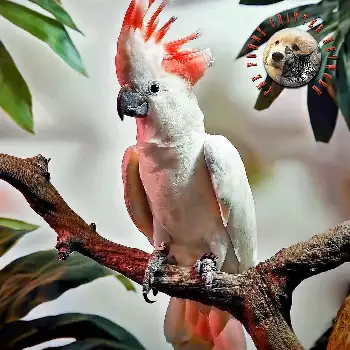

When Does Senior Begin?

Defining the onset of the senior stage in a Moluccan Cockatoo is less straightforward than it is in shorter-lived species. With a potential lifespan exceeding sixty to eighty years in captivity, a Moluccan is generally considered to enter the senior phase somewhere around forty to fifty years of age, though individual variation is significant. Some birds show signs of aging in their late thirties, while others remain vigorous well into their fifties. The absence of reliable age markers in rehomed birds, many of which lack documented hatch dates, adds further complexity to determining when age-related care adjustments should begin.

The transition into the senior years is typically gradual rather than sudden. Caregivers may notice subtle changes over months or years, including slightly decreased activity levels, longer rest periods during the day, reduced enthusiasm for vigorous play, or a slow decline in the intensity and frequency of vocalizations. These changes are often so incremental that they are only apparent in retrospect, which underscores the value of maintaining long-term records of the bird's behavior, weight, and health status.

Rather than waiting for a specific age milestone, a more practical approach is to increase the frequency and thoroughness of veterinary monitoring as the bird enters middle age. Shifting from annual to semi-annual wellness exams around age thirty-five to forty allows the veterinarian to establish detailed baseline values for organ function and identify age-related changes as early as possible. Blood chemistry panels become particularly important for tracking liver and kidney function, which are often the first organ systems to show measurable decline.

It is worth noting that the emotional and social needs of a Moluccan Cockatoo do not diminish with age. While the physical manifestations of the senior years may require adjustments to diet, environment, and activity, the bird's need for companionship, mental stimulation, and emotional security remains as strong as ever and in some cases may actually intensify as the bird becomes less independent.

Mobility & Joint Health

Arthritis and degenerative joint disease are among the most common age-related conditions in senior Moluccan Cockatoos, affecting the feet, hock joints, and wings. Early signs include reluctance to climb, difficulty gripping perches, a preference for resting on flat surfaces rather than perching, and visible stiffness when moving after periods of rest. The powerful grip that defines a healthy cockatoo may weaken noticeably, and the bird may begin to favor one foot over the other.

Perch modifications are one of the most impactful interventions for a bird experiencing joint discomfort. Replacing round dowel perches with flat platform perches, padded perches, or natural branches with irregular surfaces reduces pressure on arthritic feet and provides more comfortable resting positions. Perches should be positioned lower in the cage to minimize the climbing required to reach food, water, and preferred resting spots. Ramps or ladders with closely spaced rungs can replace vertical climbing routes.

Maintaining gentle physical activity is important even as mobility decreases. A completely sedentary senior cockatoo will experience accelerated muscle wasting and joint stiffness. Short, supervised out-of-cage sessions on a low play stand, gentle stretching encouraged through slow step-up exercises, and opportunities to walk on flat surfaces all help preserve remaining mobility and muscle tone without overexerting compromised joints.

Avian veterinarians may recommend joint supplements, anti-inflammatory medications, or other therapeutic interventions to manage age-related mobility issues. Environmental modifications such as warming the bird's living area slightly, providing heated perches during cold weather, and ensuring that the cage setup minimizes the need for difficult physical maneuvers all contribute to maintaining the senior bird's comfort and independence for as long as possible.

Cognitive Changes

Cognitive decline in aging parrots is an area of growing veterinary interest, and Moluccan Cockatoos, with their high intelligence and long lifespans, are particularly relevant subjects. Senior cockatoos may exhibit changes in cognitive function that parallel some aspects of age-related cognitive decline seen in other long-lived species. These changes can include increased confusion in familiar environments, disrupted sleep-wake cycles, decreased responsiveness to learned cues, and repetitive behaviors that were not previously part of the bird's repertoire.

Maintaining cognitive health through continued mental stimulation is essential throughout the senior years. Foraging activities, puzzle toys, training sessions adapted to the bird's current abilities, and regular social interaction all help keep the brain active and engaged. The complexity of enrichment activities may need to be adjusted as the bird ages, simplifying puzzles that have become frustrating rather than stimulating, but the underlying principle of daily mental engagement should remain constant.

Changes in social behavior may also reflect cognitive shifts. A senior Moluccan may become more clingy and anxious, or conversely may become withdrawn and less interested in social interaction. Some older birds develop new fears or phobias of objects and situations they previously tolerated without difficulty. Patience and gentle reassurance are the appropriate responses to these changes, along with maintaining as much routine consistency as possible in the bird's daily life.

Any sudden or dramatic change in behavior or cognitive function should be evaluated by a veterinarian to rule out treatable medical causes. Nutritional deficiencies, infections, organ dysfunction, and exposure to environmental toxins can all produce symptoms that mimic age-related cognitive decline but are potentially reversible with appropriate treatment. A thorough medical workup should always precede the assumption that behavioral changes are simply a product of aging.

Nutrition for Aging

The nutritional needs of a senior Moluccan Cockatoo shift to reflect decreased activity levels, changes in metabolic rate, and the increased demands of maintaining aging organ systems. Caloric intake typically needs to be moderately reduced to prevent obesity in a less active bird, while the quality and nutrient density of the diet becomes even more important than it was during the adult years. Consultation with an avian veterinarian regarding specific dietary modifications is advisable as the bird enters the senior phase.

Protein requirements may increase slightly in senior birds to help maintain muscle mass and support immune function, but the protein sources should be highly digestible and low in fat. Cooked legumes, small amounts of cooked egg, and high-quality pellets formulated for mature birds all provide appropriate protein. Omega-3 fatty acids from sources such as flaxseed or chia seed may support joint health and reduce inflammation, though supplementation should be discussed with the veterinarian.

Vitamin and mineral supplementation takes on greater importance as the bird ages and its ability to absorb nutrients from food may decline. Calcium continues to be critical for bone density maintenance, and vitamin A supports immune function, skin health, and vision. However, over-supplementation can be as harmful as deficiency, particularly with fat-soluble vitamins that accumulate in the body. Any supplementation regimen should be guided by blood work results and veterinary recommendations rather than guesswork.

Food presentation may need to be adapted for senior birds experiencing beak wear, reduced grip strength, or decreased appetite. Chopping vegetables into smaller pieces, offering softer food options, and warming foods slightly to enhance aroma and palatability can all encourage adequate food intake in a bird that may be eating less enthusiastically than it once did. Monitoring daily food consumption and weight trends becomes increasingly important for detecting early signs of illness or nutritional decline.

Increased Veterinary Care

Semi-annual veterinary examinations become the recommended standard for senior Moluccan Cockatoos, with additional visits as needed for emerging health concerns. Each visit should include a thorough physical examination, complete blood chemistry panel, complete blood count, and fecal analysis at minimum. Radiographs, electrocardiograms, and additional diagnostic imaging may be warranted based on the individual bird's health history and the veterinarian's assessment.

Age-related health conditions that become more prevalent in senior cockatoos include atherosclerosis, kidney disease, liver disease, cataracts, and reproductive disorders in hens who may develop chronic egg-laying or egg binding as hormonal regulation becomes less predictable with age. Early detection through regular screening allows for dietary modifications, medical management, and environmental adjustments that can significantly slow disease progression and maintain quality of life.

Medication management in senior birds requires careful veterinary oversight. Older cockatoos may metabolize medications differently than younger birds, and the presence of age-related organ compromise can affect drug clearance and increase the risk of adverse effects. Any medications, including supplements, should be administered under veterinary guidance with appropriate monitoring for efficacy and side effects.

Establishing a relationship with an emergency avian veterinary service is particularly important for senior bird owners. Age-related health crises can develop rapidly, and having an emergency plan in place, including transportation arrangements, medical records, and a list of current medications, can save critical time during an urgent situation. Some avian veterinary practices offer house call services that may be less stressful for an aging bird than transport to a clinic.

Quality of Life Assessment

Ongoing quality of life assessment is a responsibility that deepens as a Moluccan Cockatoo enters its senior years. Unlike acute illness, the gradual nature of age-related decline can make it difficult to objectively evaluate whether the bird is still enjoying a life worth living. Developing a structured approach to quality of life evaluation helps caregivers make informed, compassionate decisions about their bird's care as it ages.

Key indicators of good quality of life in a senior cockatoo include continued interest in food and treats, engagement with enrichment activities even at a reduced level, positive social interactions with human companions, normal preening behavior, comfortable resting and sleeping patterns, and the absence of persistent pain or distress. A bird that consistently demonstrates these behaviors is generally maintaining an acceptable quality of life despite the limitations that aging may impose.

Conversely, warning signs that quality of life may be declining include chronic pain that is not adequately managed by medication, sustained loss of appetite, withdrawal from all social interaction, cessation of preening, persistent lethargy, and visible signs of suffering such as abnormal vocalizations, hunched posture, or inability to rest comfortably. When these signs persist despite medical intervention and environmental modification, it becomes necessary to have an honest conversation with the veterinarian about the bird's prognosis and the available options.

The emotional bond between a Moluccan Cockatoo and its caregiver, often spanning decades, makes quality of life decisions profoundly difficult. It is important to distinguish between the bird's quality of life and the caregiver's understandable reluctance to lose a companion that has been a central part of their life for so many years. Seeking support from the veterinary team, fellow bird owners, and grief counseling resources can provide perspective and comfort during this challenging phase of the human-bird relationship.

Always consult a qualified professional before making any health-related decisions. This content is provided for informational reference only and should not replace professional guidance specific to your animal.