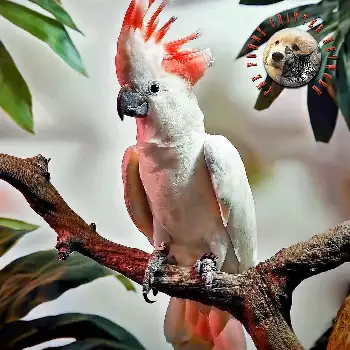

Growth & Physical Development

The juvenile phase of a Moluccan Cockatoo spans roughly from weaning through the first three to four years of life, during which the bird undergoes dramatic physical transformation. By the time a Moluccan is fully weaned, it has already achieved much of its adult body length, but bone density, muscle development, and feather quality continue to mature over several years. The characteristic salmon-pink crest becomes fuller and more expressive during this period, and the bird's overall plumage transitions from the softer, sometimes patchy feathering of a fledgling to the sleek, well-structured contour feathers of a young adult.

Weight fluctuations during the juvenile period are normal but should be monitored carefully. A healthy juvenile Moluccan Cockatoo typically weighs between 700 and 1,000 grams, depending on individual genetics and sex. Consistent weight tracking using a digital gram scale helps identify trends that might indicate nutritional deficiencies, illness, or stress-related changes in eating habits before they become serious problems.

The beak and feet undergo significant hardening and strengthening during the juvenile stage. Young Moluccans will chew voraciously, which is both a developmental necessity and a behavioral drive that must be accommodated with appropriate materials. The beak grows continuously and requires regular use on wood, natural fibers, and other safe chewing substrates to maintain proper length and alignment.

Flight feathers reach their full length during this period, and the bird's coordination and aerial agility improve dramatically with practice. Whether a Moluccan Cockatoo is flighted or has been wing-clipped is a significant management decision that should be made in consultation with an avian veterinarian, taking into account the bird's living environment, safety considerations, and the owner's ability to provide supervised flight opportunities.

Nutrition & Diet Transition

The transition from hand-feeding formula to a solid diet is one of the most important milestones in a juvenile Moluccan Cockatoo's life. Weaning is a gradual process that typically occurs between twelve and sixteen weeks of age, though Moluccans are known for weaning more slowly than smaller parrot species. Rushing the weaning process can lead to malnutrition, behavioral insecurity, and long-term food-related anxiety, so patience is essential.

A well-balanced juvenile diet should consist of a high-quality pelleted food as the primary staple, supplemented with a wide variety of fresh vegetables, fruits, legumes, and sprouted seeds. Introducing a diverse range of foods during the juvenile period is critical because dietary preferences established now tend to persist throughout the bird's exceptionally long life. Birds that are not exposed to variety early on may become rigid and resistant to dietary changes later.

Calcium and vitamin D3 are particularly important nutrients during the juvenile growth phase, as the skeletal system is still developing and strengthening. Dark leafy greens, broccoli, and other calcium-rich vegetables should be offered regularly. Natural sunlight exposure or full-spectrum lighting helps the bird synthesize vitamin D3, which is necessary for proper calcium absorption. Seed-heavy diets should be avoided, as they are high in fat and deficient in essential vitamins and minerals that growing cockatoos need.

Fresh water must be available at all times and changed multiple times daily, as Moluccan Cockatoos frequently dunk food in their water, creating a breeding ground for bacteria. Water bowls should be heavy and stable enough to resist tipping, and many caregivers opt for multiple water sources positioned throughout the cage to ensure consistent access.

Behavioral Changes

Adolescence in a Moluccan Cockatoo is marked by significant behavioral shifts that can catch unprepared owners off guard. As the bird matures and becomes more independent, it may begin testing boundaries, displaying occasional aggression, and cycling through periods of extreme affection followed by sudden resistance to handling. These mood fluctuations are a normal part of psychological development and mirror the process of a young bird establishing its social identity within a flock structure.

Vocalization increases substantially during the juvenile phase. Moluccan Cockatoos are among the loudest of all parrot species, and adolescence is when their full vocal power begins to emerge. Screaming sessions at dawn and dusk are instinctual flock-calling behaviors that cannot be entirely eliminated, but they can be managed through consistent routines, adequate mental stimulation, and careful avoidance of inadvertently reinforcing screaming by responding to it with attention.

Feather destructive behavior may first appear during adolescence, particularly in birds that are under-stimulated, over-bonded to a single person, or experiencing hormonal fluctuations. Any signs of feather plucking, barbering, or self-mutilation should be addressed immediately with an avian veterinarian to rule out medical causes and develop a behavioral intervention plan. Early intervention dramatically improves the chances of resolving feather destructive behavior before it becomes an entrenched habit.

Curiosity and exploratory behavior reach their peak during this stage. Juvenile Moluccans will investigate everything within reach, disassemble toys with remarkable speed, and seek out new textures and objects to manipulate. This natural curiosity should be encouraged and channeled through enrichment activities, as a bored adolescent cockatoo will quickly redirect its energy toward destructive behaviors targeting furniture, walls, and other household objects.

Training Priorities

The juvenile period represents the most important window for establishing foundational training behaviors that will shape the Moluccan Cockatoo's interactions with humans for decades to come. Positive reinforcement training should begin as soon as the bird is weaned and comfortable in its environment. Step-up, step-down, station training, and recall commands form the core of a well-trained companion cockatoo's repertoire and make daily management safer and less stressful for both bird and caregiver.

Consistency across all household members is essential. A Moluccan Cockatoo that learns different rules from different people will become confused, anxious, and may develop behavioral problems as a result. Every person who interacts with the bird should use the same verbal cues, hand signals, and reinforcement strategies. Training sessions should be kept short, no longer than ten to fifteen minutes at a time, and should always end on a positive note.

Desensitization training is particularly valuable for Moluccan Cockatoos, which can be prone to phobias and neophobia as they mature. Gradually introducing the bird to new objects, environments, people, and experiences during the juvenile phase builds confidence and resilience. Towel training for veterinary handling, carrier training for travel, and exposure to common household activities all reduce stress during situations that will recur throughout the bird's long life.

Foraging training is another critical priority during this developmental window. Wild cockatoos spend a significant portion of their day searching for and processing food, and replicating this natural behavior in captivity is one of the most effective ways to prevent boredom-related behavioral issues. Teaching a juvenile Moluccan to work for its food using puzzle feeders, foraging trays, and hidden food rewards builds problem-solving skills and provides essential mental stimulation.

Exercise & Activity

Moluccan Cockatoos are powerful, athletic birds that require substantial physical activity to maintain healthy muscle tone, cardiovascular function, and psychological well-being during the juvenile growth phase. A cage large enough for the bird to fully extend and flap its wings is the absolute minimum, but daily out-of-cage time in a bird-safe environment is essential for proper physical development and social interaction.

Climbing is one of the most natural and beneficial forms of exercise for a juvenile cockatoo. A large play stand with ladders, ropes, and branches of varying diameters encourages the bird to use its feet and beak in the same way it would navigate the forest canopy in the wild. Natural wood perches of different sizes also promote healthy foot development and help prevent the pressure sores that can result from standing on uniform-diameter dowel perches.

Supervised flight, when possible, provides unparalleled cardiovascular exercise and builds coordination and spatial awareness. Even birds with clipped wings benefit from encouraging wing-flapping exercises on a perch or play stand. The decision to allow full flight should account for the safety of the environment, including windows, ceiling fans, open water, hot surfaces, and other household hazards that can injure or kill a bird in seconds.

Interactive play with the caregiver is both exercise and socialization. Games that involve retrieving objects, dancing, or navigating obstacle courses strengthen the bond between bird and human while providing physical and mental stimulation. Juvenile Moluccans are naturally playful and respond enthusiastically to interactive activities, making this an ideal time to establish play routines that will continue into adulthood.

Hormonal Awareness & Management

Although Moluccan Cockatoos do not reach full sexual maturity until four to six years of age, hormonal influences can begin to manifest during the later juvenile period. Early hormonal behaviors may include increased territoriality around the cage, regurgitation directed at a favorite person, and attempts to seek out dark, enclosed spaces that mimic nesting cavities. Recognizing these behaviors early allows caregivers to implement management strategies before hormonal patterns become deeply established.

Environmental factors play a significant role in hormonal stimulation. Extended daylight hours, warm temperatures, access to perceived nesting sites such as boxes, tents, or covered areas inside the cage, and certain types of physical contact can all trigger hormonal responses. Limiting light exposure to ten to twelve hours per day, removing potential nesting materials, and avoiding petting the bird on the back, wings, or tail area all help manage hormonal behavior.

Diet can also influence hormonal activity. High-fat, high-calorie diets signal the body that conditions are favorable for reproduction, which can intensify hormonal behaviors. Maintaining a balanced diet with appropriate caloric content for the bird's activity level helps keep hormonal responses within manageable levels. Warm, soft foods in particular can trigger regurgitation responses and should be offered in moderation if hormonal behavior is a concern.

It is important to approach hormonal behavior with patience and understanding rather than punishment. These are natural biological processes, and the bird is not misbehaving intentionally. Punishing a hormonally driven cockatoo creates confusion, erodes trust, and often escalates the very behaviors the caregiver is trying to reduce. Consistent environmental management and positive redirection are far more effective long-term strategies.

Socialization & Exposure

Broad socialization during the juvenile period is one of the most impactful investments a Moluccan Cockatoo owner can make in their bird's long-term behavioral health. Birds that are exposed to a variety of people, environments, sounds, and experiences during this formative phase develop greater resilience and adaptability than those raised in isolated or overly sheltered conditions. Given that a Moluccan Cockatoo may live sixty years or more, the ability to adapt to inevitable changes in living situations is invaluable.

Introducing the juvenile bird to people of different ages, appearances, and energy levels helps prevent the one-person bonding pattern that Moluccan Cockatoos are notoriously prone to developing. While the bird will naturally prefer certain individuals, ensuring that it is comfortable being handled by and interacting with multiple people reduces the risk of aggressive behavior toward non-preferred household members and makes the bird more manageable in situations requiring care from someone other than its primary person.

Exposure to different environments, both indoors and outdoors, builds confidence and reduces the phobic responses that can develop in under-socialized cockatoos. Short, supervised trips to new rooms in the house, outdoor time in a secure carrier or harness, and car rides all expand the bird's comfort zone. Each new experience should be introduced gradually and paired with positive reinforcement to build positive associations.

Socialization with other birds, when possible and safe, provides important social learning opportunities that human interaction alone cannot replicate. Even if the bird will live as a single companion, periodic supervised exposure to other parrots helps maintain species-appropriate social skills. However, introductions must be managed carefully to prevent injury, disease transmission, and the stress that can result from incompatible pairings.

Always consult a qualified professional before making any health-related decisions. This content is provided for informational reference only and should not replace professional guidance specific to your animal.