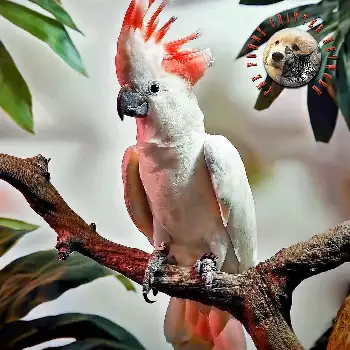

Recognizing when a Moluccan Cockatoo is approaching the end of its life requires careful observation and an honest assessment of the bird's overall trajectory. Birds are instinctively driven to mask illness and vulnerability, which means that by the time symptoms become obvious, the underlying condition may be quite advanced. In a senior bird with known chronic health conditions, the shift from manageable decline to active dying often manifests as a noticeable acceleration of existing symptoms or the emergence of new ones that do not respond to treatment.
Physical signs that may indicate a Moluccan Cockatoo is entering its final stage include persistent weight loss despite adequate food availability, pronounced muscle wasting along the keel bone, labored or open-mouth breathing, loss of coordination and balance, inability to perch, and prolonged periods of sitting fluffed on the cage floor. Changes in droppings, including dramatic decreases in volume, unusual coloration, or complete cessation, often signal organ failure and warrant immediate veterinary consultation.
Behavioral changes can be equally telling. A bird that has always been vocal and socially engaged may become quiet and withdrawn, losing interest in food, interaction, and enrichment activities that once brought it pleasure. Conversely, some birds become unusually clingy in their final days, seeking constant physical contact with their person as though drawing comfort from the bond that has defined their life. Either pattern, when it represents a significant departure from the bird's established personality, deserves attention.
It is important to involve the avian veterinarian in the assessment process rather than relying solely on personal observation. Blood work, imaging, and physical examination can clarify whether the bird is experiencing a treatable crisis or an irreversible decline, and this distinction is essential for making informed decisions about the appropriate level of intervention.