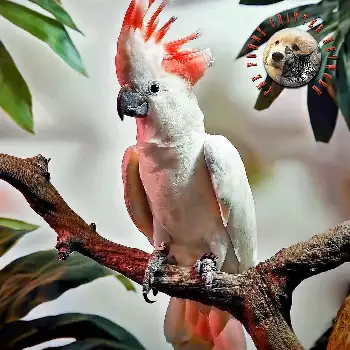

Peak Health Maintenance

A Moluccan Cockatoo reaches full physical maturity between four and six years of age and can maintain peak condition for decades with proper care. The adult phase is the longest stage of the bird's life, potentially spanning forty years or more, which makes consistent health management a long-term commitment unlike that of almost any other companion animal. Annual wellness examinations with an avian veterinarian should be a non-negotiable part of the bird's routine, even when the bird appears perfectly healthy.

Complete blood panels, fecal analyses, and periodic radiographs allow the veterinarian to track organ function and detect subclinical disease before symptoms become apparent. Moluccan Cockatoos are susceptible to several conditions that develop gradually, including fatty liver disease, atherosclerosis, and psittacine beak and feather disease, all of which have significantly better outcomes when caught early through routine screening.

Maintaining an appropriate body weight is one of the most important aspects of adult health care. Obesity is a common and serious problem in captive Moluccan Cockatoos, driven by high-fat diets and insufficient exercise. A healthy adult Moluccan typically weighs between 750 and 1,050 grams, though individual variation exists. Regular weigh-ins at home, combined with body condition scoring by a veterinarian, provide the most complete picture of whether the bird is maintaining a healthy weight.

Environmental quality directly affects respiratory and overall health. Moluccan Cockatoos produce substantial amounts of feather dust, and they are simultaneously sensitive to airborne irritants. Air purifiers, regular cleaning, and avoidance of aerosol sprays, scented candles, non-stick cookware fumes, and other airborne toxins protect the bird's delicate respiratory system. The living space should be well-ventilated without being drafty.

Nutrition at Maturity

The dietary needs of an adult Moluccan Cockatoo shift from growth-focused nutrition to maintenance and disease prevention. A high-quality pelleted diet should comprise approximately 60 to 70 percent of the daily food intake, with the remainder consisting of fresh vegetables, moderate amounts of fruit, cooked legumes, and occasional healthy grains. The variety offered during the juvenile period should be maintained and expanded throughout adulthood to ensure a broad spectrum of micronutrients.

Caloric management becomes increasingly important during the adult years, particularly for birds with limited flight opportunities. Moluccan Cockatoos have a natural tendency to overconsume high-fat foods such as seeds and nuts, which can rapidly lead to weight gain, fatty liver disease, and elevated cholesterol. Seeds and nuts should be reserved for training rewards or foraging enrichment rather than being offered as a dietary staple. Portion control, measured by weight rather than volume, helps prevent overfeeding.

Seasonal dietary adjustments may be beneficial, as many cockatoos naturally experience changes in appetite and metabolic rate throughout the year. Slight reductions in caloric intake during less active winter months and modest increases during periods of molting, when the body requires additional protein and energy for feather production, help maintain optimal body condition year-round.

Fresh food items should be offered in the morning and removed within a few hours to prevent spoilage and bacterial growth, particularly during warm weather. The bird should always have access to its pelleted food and clean water. Monitoring food consumption patterns is valuable, as sudden changes in appetite can be an early indicator of illness, stress, or hormonal shifts that warrant attention.

Exercise & Enrichment

An adult Moluccan Cockatoo requires a minimum of three to four hours of supervised out-of-cage time daily, and more is better whenever the living situation allows it. This is not a species that thrives in confinement, and birds that are caged for extended periods without adequate activity invariably develop physical and behavioral problems. The out-of-cage environment must be thoroughly bird-proofed, with particular attention to electrical cords, toxic houseplants, open water sources, and accessible small objects that could be swallowed.

Destruction-based enrichment is a necessity rather than a luxury for this species. Moluccan Cockatoos possess immensely powerful beaks and a deep psychological need to chew, shred, and dismantle objects. Providing a rotating supply of untreated wood blocks, palm fronds, woven grass mats, and other destructible materials satisfies this drive and protects household furnishings from becoming substitute targets. Enrichment items should be varied frequently, as cockatoos quickly lose interest in familiar objects.

Foraging remains central to behavioral health throughout the adult years. Wild Moluccan Cockatoos spend the majority of their waking hours searching for food, and captive birds benefit enormously from foraging opportunities that replicate this natural behavior. Puzzle feeders of increasing complexity, food wrapped in paper or hidden inside boxes, and foraging trays filled with shredded material all encourage active problem-solving and extend the time the bird spends engaged with its food.

Social interaction with the human flock is itself a form of enrichment and exercise. Training sessions, interactive play, and simply being included in household activities all contribute to the bird's mental stimulation and emotional well-being. However, caregivers must be mindful of maintaining a healthy balance between togetherness and independence to prevent the excessive attachment that Moluccan Cockatoos are prone to developing.

Preventive Health Care

Beyond annual wellness exams, preventive health care for adult Moluccan Cockatoos encompasses a range of routine practices that collectively reduce the risk of common captive bird diseases. Beak and nail maintenance should be assessed at each veterinary visit, though many cockatoos keep their beaks naturally trimmed through regular chewing activity. Nails may require periodic trimming to prevent overgrowth that can cause foot injuries or difficulty perching.

Feather health provides a visible window into overall well-being. Adult Moluccan Cockatoos undergo a complete molt once or twice per year, during which old feathers are gradually replaced by new growth. Abnormal molting patterns, stress bars on feathers, excessive feather loss outside of normal molting periods, or the presence of damaged and ragged feathers can all indicate nutritional deficiencies, hormonal imbalances, or underlying disease processes.

Parasite prevention, while less of a concern for exclusively indoor birds, should not be overlooked in birds that spend time outdoors or that share living space with other birds. Internal and external parasites including roundworms, air sac mites, and feather lice can affect captive cockatoos, particularly those in multi-bird households or aviary settings. Regular fecal testing detects internal parasites before they cause visible symptoms.

Household toxin awareness is an ongoing component of preventive care that extends beyond the bird's immediate living space. Polytetrafluoroethylene fumes from overheated non-stick cookware remain one of the leading causes of sudden death in companion birds. Other common household hazards include lead from paint or hardware, zinc from galvanized cage components, avocado, chocolate, caffeine, and fumes from self-cleaning ovens. Educating all household members about these dangers is essential for maintaining a safe environment.

Behavioral Maturity

Behavioral maturity in a Moluccan Cockatoo is a gradual process that continues well beyond physical maturity, with many birds not fully settling into their adult personality until seven to ten years of age. The intense emotional nature of this species means that behavioral challenges remain a reality throughout the adult years, even in well-socialized birds with experienced owners. Understanding and accepting the Moluccan temperament, rather than attempting to suppress it, is fundamental to a successful long-term relationship.

Hormonal cycles continue throughout adulthood and can trigger seasonal behavioral changes including increased aggression, territorial behavior, excessive vocalization, and destructive tendencies. These cycles are a natural part of the bird's biology and should be managed through environmental controls rather than punitive responses. Maintaining consistent light schedules, avoiding hormonal triggers, and providing additional enrichment during peak hormonal periods helps moderate the intensity of these seasonal shifts.

One-person bonding remains the single most challenging behavioral tendency of the species. An adult Moluccan that has become exclusively bonded to one person may aggressively reject all other household members, creating a situation that is stressful for the entire family and dangerous for children or visitors. Ongoing socialization with multiple people, shared care responsibilities, and deliberate reinforcement of positive interactions with non-preferred individuals are essential ongoing management strategies.

Separation anxiety is another hallmark behavioral concern. Moluccan Cockatoos form extraordinarily deep emotional attachments and can become severely distressed when separated from their bonded person, even briefly. Establishing a routine that includes predictable periods of independent time, providing engaging enrichment during separations, and gradually building the bird's tolerance for alone time all contribute to a healthier emotional baseline. Chronic separation anxiety that manifests as incessant screaming or self-mutilation warrants professional consultation with an avian behaviorist.

Feather & Beak Care

The plumage of an adult Moluccan Cockatoo requires consistent environmental support rather than direct grooming intervention. Unlike dogs or cats, healthy cockatoos maintain their own feathers through preening, bathing, and natural wear. The caregiver's role is to provide the conditions that support healthy feather maintenance, including regular bathing opportunities, appropriate humidity levels, a nutritionally complete diet, and exposure to natural or full-spectrum lighting that supports feather pigmentation and structure.

Bathing should be offered several times per week, and many Moluccans develop strong preferences for their bathing method. Some birds prefer misting with a spray bottle, others enjoy standing under a gentle shower stream, and some relish splashing in a shallow basin. Regular bathing helps maintain feather condition, reduces the accumulation of feather dust, and provides behavioral enrichment. Water should be lukewarm and free of any soaps or additives unless specifically directed by a veterinarian for medical treatment.

Feather dust production is a significant consideration for this species. Moluccan Cockatoos produce copious amounts of fine powder from specialized powder-down feathers, which serves to waterproof and condition the plumage. While this is a sign of healthy feather function, the volume of dust can affect both human and avian respiratory health. Regular cleaning of surfaces, use of air purifiers with particulate filters, and adequate ventilation help manage dust levels in the living environment.

The beak is a continuously growing structure that requires regular use to maintain proper shape and length. Providing a variety of hard and soft wood, mineral blocks, and cuttlebone gives the bird the tools it needs for natural beak maintenance. If the beak becomes overgrown, misaligned, or develops cracks or flaking beyond normal wear, a veterinary assessment is needed to determine whether trimming or treatment is required. Beak abnormalities can indicate nutritional deficiencies, liver disease, or viral infections that need medical attention.

Always consult a qualified professional before making any health-related decisions. This content is provided for informational reference only and should not replace professional guidance specific to your animal.