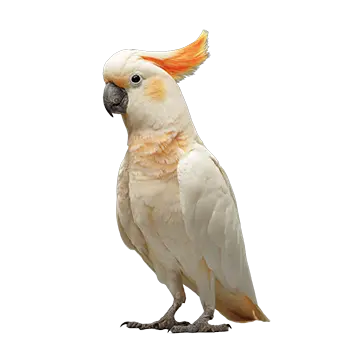

Recognizing the Final Stage

Acknowledging that a beloved Citron-Crested Cockatoo is entering the final stage of its life is among the most difficult realizations a caregiver can face, particularly given the deep emotional bonds that develop over a relationship spanning decades. The end-of-life stage may arrive gradually through the progression of age-related decline, or it may be precipitated by a terminal diagnosis such as advanced organ failure, inoperable neoplasia, or untreatable systemic disease. In either case, recognizing the signs that curative treatment is no longer achieving meaningful improvement is the first step toward providing the compassionate care the bird deserves during its remaining time.

Physical indicators of terminal decline may include progressive and irreversible weight loss despite adequate food intake, persistent lethargy and reduced responsiveness to environmental stimulation, labored breathing that does not improve with treatment, chronic crop stasis or inability to process food normally, and a deteriorating feather coat that the bird no longer maintains through preening. These signs develop at different rates depending on the underlying condition, and not all will be present simultaneously. A bird with advanced kidney disease may maintain its feather condition while losing weight steadily, while a bird with terminal respiratory disease may appear relatively well-fed but struggle increasingly to breathe.

Behavioral indicators are equally important and may precede obvious physical decline. A cockatoo that was previously social and interactive may withdraw from engagement, spending increasing amounts of time sitting quietly with eyes partially closed. The bird may stop vocalizing or may vocalize differently, with calls that sound weaker or altered in quality. Reduced interest in food, even favorite treats, and decreased responsiveness to the caregiver's presence are significant behavioral shifts that suggest the bird's condition is fundamentally changing. While any of these changes in isolation may reflect a treatable condition, their progressive accumulation despite treatment signals that the trajectory is toward decline.

The veterinary assessment is the objective component of this recognition. When your avian veterinarian determines that the bird's condition is no longer responsive to treatment, that available interventions would cause more suffering than they relieve, or that the prognosis is terminal regardless of intervention, the conversation shifts from treatment to comfort. This transition is not a failure. It is a profound act of care that prioritizes the bird's experience over the caregiver's desire to continue fighting.

Pain Management & Palliative Care

Effective pain management is the foundation of hospice care for a Citron-Crested Cockatoo approaching the end of its life. Avian pain management has advanced considerably, and there is no reason for a companion bird to suffer unnecessarily during its final days or weeks. Working closely with your avian veterinarian to develop and maintain a pain management protocol tailored to the bird's specific condition is essential for preserving comfort and dignity.

Recognizing pain in birds requires attentive observation, as cockatoos, like all parrots, are evolved to conceal signs of vulnerability. Pain indicators in a cockatoo may include changes in posture such as a hunched or unusually tense body position, reluctance to be handled or touched in areas that were previously acceptable, reduced or altered locomotion, grinding of the beak in a pattern that differs from the normal contented grinding heard at rest, and changes in the bird's typical activity patterns. A bird that suddenly stops using a favored perch, avoids placing weight on one foot, or resists movements it previously performed readily may be experiencing pain that requires pharmaceutical management.

Nonsteroidal anti-inflammatory drugs such as meloxicam are commonly used in avian palliative care and can be administered orally, often mixed with a small amount of a favored food to ease administration. For more severe pain, opioid analgesics such as butorphanol may be prescribed, either as an injectable for acute episodes or in an oral formulation for ongoing management. The specific analgesic protocol depends on the nature of the bird's condition, its organ function, and its response to treatment. Medications should be administered at the prescribed intervals and doses, and any changes in the bird's response to pain management, whether improved comfort or diminishing effectiveness, should be communicated to the veterinarian promptly.

Palliative care extends beyond pain management to encompass all measures that improve the bird's comfort and quality of life without pursuing curative treatment. This may include fluid therapy to maintain hydration, anti-nausea medications if the bird shows signs of gastrointestinal distress, appetite stimulants if the bird is eating poorly, and treatment of secondary infections that would otherwise cause additional suffering. The guiding principle is that every intervention should serve the bird's comfort. Treatments that require frequent stressful handling, produce significant side effects, or impose more burden than they relieve should be reconsidered in consultation with the veterinarian.

Nutritional Support & Comfort Feeding

Nutritional management during the end-of-life stage shifts from the balanced, health-optimizing approach of earlier years to a comfort-focused philosophy that prioritizes the bird's willingness and ability to eat over strict dietary composition. A bird that is declining may lose interest in its regular pellet-based diet, and rigid adherence to nutritional standards at this point risks depriving the bird of the pleasure and social experience that food provides during its remaining time.

Offer the bird its favorite foods, even if they are not the most nutritionally balanced options. If the cockatoo has always loved sunflower seeds or peanuts but was limited to small quantities for health reasons, this is the stage at which those restrictions can be relaxed. Warm, soft foods such as cooked oatmeal, mashed sweet potato, or warmed fruit puree may be more appealing and easier to consume for a bird whose strength is declining. The warmth and soft texture can also stimulate appetite in a bird that has become disinterested in harder foods. Offer food in small, frequent portions rather than a single large serving, as a declining bird may be overwhelmed by a full bowl but willing to take a few bites when offered repeatedly throughout the day.

Hand-feeding may become appropriate if the bird is no longer able or willing to self-feed. A small amount of soft food offered from a spoon or the caregiver's finger can maintain caloric intake while also providing the social contact that is deeply meaningful to a cockatoo. Syringe feeding may be necessary in some cases but should be approached with caution, as forcing food into a reluctant bird can cause aspiration and adds stress to an already compromised animal. Discuss syringe-feeding techniques and the appropriateness of assisted feeding with your veterinarian, and be prepared for the possibility that the bird may reach a point where it no longer tolerates or benefits from assisted feeding.

Hydration is critically important and may require supplemental support. A bird that is eating poorly is also likely consuming less water than usual. Offer water in a shallow, easily accessible dish positioned near the bird's preferred resting spot. Adding a small amount of diluted fruit juice to the water may encourage drinking. Your veterinarian may recommend subcutaneous fluid administration if dehydration becomes a concern, a relatively low-stress procedure that can be performed at home with proper instruction. Monitor the bird's skin turgor and droppings volume as indicators of hydration status.

Recognize that there may come a point at which the bird refuses all food and water. This refusal is often one of the clearest signals that the bird's body is shutting down, and it should be respected. Forcing nutrition at this stage does not improve quality of life or meaningfully extend it, and it may cause distress. When a cockatoo that has shared decades of meals with its caregiver stops eating, the message is one that requires the caregiver's compassion and acceptance.

Environmental Modifications

The living environment of a Citron-Crested Cockatoo receiving hospice care should be modified to maximize comfort, minimize stress, and ensure safety as the bird's physical capabilities decline. These modifications are practical expressions of care that can significantly improve the bird's experience during its final days or weeks.

Perch placement and design are the most immediately important modifications. Lower all perches to reduce the risk of a fall, or provide a single low, wide, flat perch that allows the bird to rest comfortably without the effort of gripping. For a bird that is very weak, a padded basket or shallow container lined with soft towels, placed on the cage floor or on a low table, provides a secure resting space where the bird cannot fall and does not need to expend energy maintaining balance. Ensure the bird can reach food and water from its resting position without climbing or excessive movement.

Temperature management becomes more critical as the bird's thermoregulatory capacity diminishes further. A bird in decline often loses body heat more rapidly than a healthy bird and may benefit from supplemental warmth. An avian-safe ceramic heat emitter or a thermostatically controlled heat panel mounted on one side of the cage allows the bird to self-regulate by moving toward or away from the warmth. Do not use heating pads directly beneath the bird, as these can cause thermal burns in an animal that may lack the strength or awareness to move away if the surface becomes too warm. Maintain ambient room temperature on the warmer side of the normal range, generally between 75 and 82 degrees Fahrenheit.

Noise and activity levels in the bird's environment should be adjusted to match its tolerance. A bird that has always enjoyed being in the center of household activity may still derive comfort from the sounds and presence of its family, and should not be isolated unless it shows clear signs of stress from the stimulation. Conversely, a bird that appears overwhelmed, startling at sounds or retreating when people approach, may need a quieter, more secluded location. Follow the bird's cues and adjust the environment accordingly.

Lighting should be soft and natural, with the sleeping schedule maintained to provide the full darkness the bird needs for restful sleep. A bird in decline may sleep more than usual during the day, and this should be permitted without disturbance. Natural light during waking hours is comforting and supports the bird's circadian rhythm, but harsh, direct light or the flickering of screens and artificial lighting can be agitating for a sensitive, weakened bird.

Emotional Bonds & Quality Time

The emotional dimension of end-of-life care for a Citron-Crested Cockatoo is as significant as the physical and medical dimensions, and in many ways it is the aspect that defines the experience for both the bird and the caregiver. Cockatoos form bonds of extraordinary depth and duration, and a bird that has been a companion for twenty, thirty, or even forty years has shared an intimacy with its caregiver that rivals any human relationship in its emotional significance. Honoring that bond during the bird's final days is both a privilege and a responsibility.

Spend time simply being present with the bird. Not every moment needs to involve active engagement or stimulation. A Citron-Crested Cockatoo that is declining may find its greatest comfort in the quiet proximity of its person, resting near the caregiver or gently held against the caregiver's body. Soft conversation, gentle head scratches if the bird welcomes them, and the familiar rhythms of the household provide reassurance that the bird is safe and loved. This quiet companionship can be more meaningful to the bird than any medical intervention.

Respect the bird's autonomy in determining the nature and duration of interactions. A bird that turns its head away from touch, closes its eyes and tucks its beak into its back feathers, or moves away from the caregiver is communicating a need for rest or solitude. These signals should be honored without the caregiver feeling rejected. The relationship is secure enough to accommodate the bird's need to regulate its own energy and comfort.

If there are other birds in the household, consider whether the declining bird derives comfort from their presence or is stressed by it. Some cockatoos find the companionship of a bonded mate or companion bird deeply soothing during illness, and separating them would add emotional distress to physical decline. Others may become targets for aggression or pestering from flock mates who sense their vulnerability, in which case supervised contact may be appropriate with separation during unsupervised periods. Each situation is unique and requires the caregiver's judgment based on the specific dynamics of the flock.

The caregiver's own emotional state deserves acknowledgment during this period. Anticipatory grief, the mourning that begins before the loss has actually occurred, is a well-documented psychological experience and is entirely natural when facing the impending death of a companion with whom you have shared decades. Allow yourself to feel this grief without judgment, and seek support from people who understand the significance of the bond you share with your bird. Avian communities, both online and local, can provide understanding and solidarity that friends and family who have not experienced this type of bond may not be able to offer.

Making the Decision

The decision to pursue humane euthanasia for a terminally ill or suffering Citron-Crested Cockatoo is the most difficult choice a caregiver will face, and it is a decision that deserves careful thought, honest self-reflection, and professional guidance. Euthanasia, when performed at the right time and for the right reasons, is a final act of compassion that spares the bird from suffering that can no longer be adequately managed. The challenge lies in determining when that point has been reached, a determination that involves both objective clinical assessment and the caregiver's intimate knowledge of the individual bird.

Quality-of-life assessment tools can provide a structured framework for this evaluation. Consider whether the bird is still experiencing more good moments than difficult ones within each day. Can the bird eat and drink with some degree of enjoyment, or has feeding become a struggle or a source of distress? Does the bird still respond to the caregiver's presence with interest or comfort, or has it withdrawn into a state of disengagement? Is pain being adequately managed, or has the bird's pain outpaced the capacity of available medications to control it? Is the bird able to maintain basic hygiene and eliminate without distress? No single answer to any of these questions dictates the decision, but the pattern they form collectively speaks to whether the bird's remaining life holds meaningful quality.

The avian veterinarian's clinical perspective is essential to this decision but does not replace the caregiver's knowledge of the bird as an individual. The veterinarian can assess the bird's physiological status, estimate the likely trajectory of its condition, and offer a professional opinion on whether further comfort can realistically be achieved. The caregiver contributes knowledge of the bird's personality, its normal behaviors, and the specific ways in which the current state differs from the bird's baseline. The best decisions emerge from a candid conversation between these two perspectives.

Timeline anxiety, the fear of acting too early or too late, weighs heavily on many caregivers. Both concerns are legitimate. Acting too early deprives the bird and the caregiver of time that may still hold value. Acting too late subjects the bird to suffering that could have been prevented. While no one can identify the perfect moment with certainty, avian veterinarians often observe that caregivers more frequently wait too long than act too early, and that many express regret at not having made the decision sooner. If you find yourself repeatedly wondering whether the time has come, that recurring question may itself be an indicator worth heeding.

The euthanasia procedure in birds typically involves the administration of an injectable anesthetic agent, often preceded by sedation to minimize any stress associated with handling. The process is rapid and painless when performed by an experienced avian veterinarian. Many veterinarians offer in-home euthanasia services, which allow the bird to pass in the familiar, comfortable environment of its home, surrounded by the sights, sounds, and people it knows. Discuss this option with your veterinarian in advance so that arrangements are in place when the time comes.

Grief & Remembrance

The death of a Citron-Crested Cockatoo that has been a companion for decades leaves a profound void in the caregiver's life, and the grief that follows deserves to be honored without minimization or dismissal. The bond between a human and a long-lived cockatoo is unique among companion animal relationships in its duration and emotional intensity, and the loss of that bond carries a weight that those who have not experienced it may struggle to fully comprehend.

Grief after the loss of a companion bird is a legitimate and significant emotional experience that follows the same general patterns as grief for any deeply felt loss. Sadness, guilt, anger, and disbelief may all arise, sometimes simultaneously and sometimes in waves that recur long after the initial loss. Guilt is a particularly common component of pet loss grief, with caregivers questioning whether they made the right decisions, acted at the right time, or did enough. If the decision to pursue euthanasia was made with the bird's welfare as the central consideration and in consultation with a qualified veterinarian, it was a compassionate choice, regardless of the doubt that grief may subsequently generate.

Practical matters require attention despite the emotional weight of the loss. Decisions about the bird's remains, whether burial, cremation, or another arrangement, are easier to manage if considered in advance. Many veterinary practices can facilitate cremation services, and private cremation with return of ashes is available in most areas. If home burial is chosen, check local regulations regarding pet burial and select a location that will not be disturbed. Some caregivers find comfort in memorial rituals, whether planting a tree, creating a photo tribute, donating to a cockatoo rescue or conservation organization, or commissioning a portrait.

The absence of the bird from daily routines may be the most persistently difficult aspect of the loss. The morning greeting, the evening companionship, the sound of the bird's voice, and the physical sensation of its weight and warmth during handling sessions leave sensory memories that are triggered repeatedly by the emptiness they now define. Allow these moments of remembrance to occur without suppressing them. They are evidence of a relationship that mattered, and the pain they carry is proportional to the love that created them.

If other birds remain in the household, be alert to behavioral changes that may indicate they are also affected by the loss. Bonded pairs who lose a partner may show signs of distress including reduced appetite, increased vocalization, feather destructive behavior, and lethargy. Providing extra attention, maintaining consistent routines, and monitoring the surviving bird's health during the adjustment period help mitigate the impact of the loss on remaining flock members. In some cases, a surviving bird may benefit from a gradual introduction to a new companion, though this should not be rushed and should be guided by the individual bird's readiness.

When the acute grief begins to soften, some caregivers consider welcoming another bird into their lives. Others do not. Neither response is more valid than the other. A new bird is not a replacement for the one that was lost but an entirely separate individual with its own personality, needs, and potential for connection. The decision to welcome another cockatoo, whether the same subspecies or a different one, should be made from a place of readiness and realistic assessment of one's capacity and commitment, not from the impulse to fill a void. The love given to a companion cockatoo over thirty or forty years is not diminished by the bird's death. It endures in the caregiver's memory and in the way the experience of that relationship shapes every subsequent connection with the natural world.

Always consult a qualified professional before making any health-related decisions. This content is provided for informational reference only and should not replace professional guidance specific to your animal.