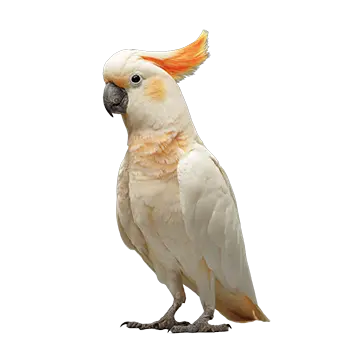

Citron-Crested Cockatoos reach sexual maturity at approximately three to five years of age, though full behavioral and physiological readiness for successful breeding may not be achieved until the bird is somewhat older. Sexual maturity and breeding readiness are distinct concepts. A sexually mature bird is capable of producing fertile eggs, but a truly breeding-ready bird also possesses the behavioral maturity, physical condition, and social competence to successfully pair, mate, incubate, and raise offspring. Attempting to breed birds that are physiologically mature but behaviorally unready frequently results in failed clutches, egg destruction, chick aggression, or mate injury.
Sexual dimorphism in the Citron-Crested Cockatoo is subtle compared to many parrot species, making visual sex determination unreliable. The most commonly cited difference is iris color. Adult females typically develop a reddish-brown to burgundy iris, while adult males tend to retain a darker brown to black iris, though this distinction is not absolute and shows individual variation. Definitive sex determination requires either surgical sexing by an avian veterinarian or DNA sexing from a blood or feather sample. DNA sexing is the less invasive option and is highly accurate.
Pre-breeding health assessment is mandatory for any bird being considered for a breeding program. Both prospective parents should undergo a comprehensive veterinary examination including a complete blood count, serum biochemistry panel, and screening for Psittacine Beak and Feather Disease, Polyomavirus, Chlamydia psittaci, and other relevant pathogens. Breeding birds that carry infectious diseases risk transmitting them to their mate, their offspring, or both, with consequences that can be devastating for individuals and for the broader captive population of a critically endangered subspecies. Only birds in excellent health, with documented disease-free status, should be considered candidates for breeding.
Body condition must be optimal before breeding is attempted. Both birds should be at a healthy weight, well-muscled, and in full feather. Nutritional preparation for breeding should begin several weeks before the introduction of nesting materials or other breeding stimuli. Increase calcium-rich foods for the hen, as eggshell formation places significant demands on calcium reserves. Supplement the diet with sprouted seeds, cooked legumes, and small amounts of egg food to provide the additional protein and micronutrients needed for reproductive physiology.