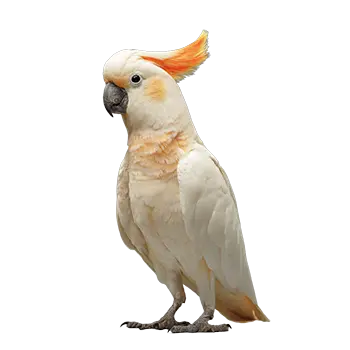

Recognizing the Senior Years

Determining when a Citron-Crested Cockatoo has entered its senior years is less straightforward than with many companion animals because the species' long lifespan means aging occurs gradually and individual variation is substantial. As a general guideline, birds over thirty years of age should be considered entering the senior category, with those over forty approaching geriatric status. However, some individuals show signs of aging earlier due to genetics, diet history, or accumulated health conditions, while others remain vigorous well into their forties.

The physical signs of aging in a Citron-Crested Cockatoo are often subtle at first. The feather coat may lose some of its pristine quality, becoming slightly duller or developing a rougher texture. Powder down production may decrease, leaving the plumage with less of the characteristic soft bloom. The skin on the feet may become drier and more prone to flaking, and the beak may show increased brittleness or subtle changes in growth rate. The eyes may develop a slight haziness, though significant changes in iris color after adulthood are unusual and may indicate disease rather than normal aging.

Behavioral changes often accompany physical aging. A senior cockatoo may become less active, spending more time resting on a favored perch and less time engaged in vigorous play or flight. Sleep patterns may shift, with the bird requiring longer rest periods or showing less tolerance for disruptions to its routine. Some seniors become more affectionate and crave increased physical contact with their caregiver, while others become more independent or irritable. These behavioral shifts should be noted and discussed with the avian veterinarian to distinguish normal age-related changes from symptoms of underlying disease.

Once a Citron-Crested Cockatoo is identified as entering its senior years, the frequency of veterinary visits should increase from annual to semi-annual. More frequent monitoring allows for earlier detection of age-related conditions and provides a denser data set for tracking trends in blood values, weight, and organ function. The transition to senior care is not a single event but an ongoing recalibration of husbandry practices to meet the bird's evolving needs.

Dietary Adjustments

The nutritional needs of a senior Citron-Crested Cockatoo differ from those of a bird in its prime, and dietary adjustments should reflect the metabolic and physiological changes that accompany aging. The senior bird's metabolic rate typically declines, reducing caloric requirements, while its need for certain nutrients may increase as organ function changes and the body's ability to absorb and process nutrients diminishes.

Caloric reduction is often the first dietary adjustment required. A less active senior bird that continues to receive the same volume and calorie density of food it consumed during its prime years will gain weight, exacerbating any existing tendency toward obesity and increasing strain on the cardiovascular system, liver, and joints. Reduce the overall volume of food offered, decrease or eliminate high-fat items such as nuts and seeds except as occasional treats, and emphasize nutrient-dense, lower-calorie vegetables as a larger proportion of the diet.

Protein quality becomes increasingly important as the aging body loses some of its capacity to synthesize and repair tissue efficiently. High-quality formulated pellets remain the dietary foundation, but supplementation with easily digestible protein sources such as cooked legumes, small amounts of cooked egg, or sprouted seeds can support muscle maintenance and immune function. Discuss specific protein supplementation strategies with your avian veterinarian, as excessive protein can burden aging kidneys.

Calcium and vitamin D management require particular attention in senior cockatoos. Age-related decreases in calcium absorption and vitamin D metabolism can contribute to bone fragility and muscular weakness. Ensure a cuttlebone or mineral block is always available, maintain dietary sources of calcium such as dark leafy greens, and discuss whether a calcium or vitamin D supplement is warranted based on the bird's blood work. Controlled exposure to unfiltered natural sunlight remains valuable for vitamin D synthesis, and a full-spectrum avian lighting system can provide some benefit for indoor birds that lack regular outdoor access.

Hydration monitoring takes on added significance in geriatric birds, as kidney function may decline with age, affecting the body's ability to concentrate urine and maintain fluid balance. Ensure fresh water is always accessible and positioned where the bird can reach it without difficulty. Some senior birds benefit from increased moisture in their diet through the inclusion of water-rich vegetables and fruits, or through lightly moistened pellets. Monitor water consumption and urine output as part of daily health observation, since both increased and decreased drinking can indicate developing kidney or metabolic disease.

Mobility & Physical Changes

As a Citron-Crested Cockatoo ages, changes in mobility and physical capability require thoughtful modifications to the bird's living environment. Arthritis, reduced muscle mass, diminished grip strength, and decreased balance all affect the senior bird's ability to navigate its cage and play areas safely. Adapting the environment to accommodate these changes helps the bird maintain independence and prevents injuries from falls.

Perch placement and selection should be the first area of focus. Replace narrow, smooth perches with wider, textured perches that provide a more secure grip for weakened feet. Flat platform perches or corner shelves give the bird stable resting surfaces where it can sit without the effort of gripping. Lower the placement of primary perches to reduce the distance and difficulty of climbing, and ensure the bird can access food and water without navigating obstacles. Ramps or gentle ladders between perch levels can replace vertical climbing structures that the bird may no longer manage safely.

The cage floor takes on increased importance for senior cockatoos that spend more time on lower perches or on the cage bottom. Ensure the floor is covered with a comfortable, non-slip substrate. Flat newspaper sheets or smooth cage liners work well. The grate at the bottom of many cages can be uncomfortable for arthritic feet, so consider removing it or covering it with a flat perch or mat. Food and water stations positioned at the bird's preferred height and within easy reach minimize the need for strenuous movement to access essential resources.

Flight capability may decline in the senior years due to muscle atrophy, joint stiffness, or cardiovascular limitations. A bird that was previously a confident flyer may become reluctant to fly or may show reduced control and distance. Do not force a senior bird to fly if it shows reluctance, but continue to encourage gentle exercise through flapping on a perch, climbing, and walking on flat surfaces. Physical activity, even at a reduced level, helps maintain remaining muscle mass, joint function, and circulatory health.

Temperature sensitivity often increases with age as the bird's thermoregulatory capacity diminishes. Senior cockatoos may be less tolerant of cool drafts or temperature fluctuations that would not bother a younger bird. Position the cage away from drafts, air conditioning vents, and exterior walls that conduct cold. A bird that appears fluffed and reluctant to move on cooler days may benefit from a supplemental heat source such as a thermostatically controlled avian heat panel mounted on one side of the cage, allowing the bird to self-regulate by moving closer to or farther from the heat source.

Cognitive Health & Enrichment

Cognitive decline is a recognized phenomenon in long-lived psittacines, and the Citron-Crested Cockatoo's substantial intelligence means that cognitive changes may be particularly noticeable to attentive caregivers. An aging bird may show decreased interest in complex foraging toys it previously enjoyed, reduced responsiveness to training cues, disorientation in familiar environments, or changes in its interaction patterns with household members. While these changes can reflect normal age-related neurological slowing, they can also indicate treatable medical conditions such as nutritional deficiency, metabolic disease, or even heavy metal toxicity, so new cognitive symptoms should always be evaluated by a veterinarian.

Mental stimulation remains critically important throughout the senior years, even as the bird's capacity for complex problem-solving may diminish. Adjust enrichment complexity to match the bird's current abilities rather than eliminating it entirely. If the bird can no longer solve a multi-step foraging puzzle, provide simpler foraging challenges that still require some effort but are achievable. Wrapping treats in a single layer of paper, placing food in open cups tucked among toys, or scattering pellets on a tray of shredded paper all provide cognitive engagement without the frustration of an overly difficult task.

Social interaction is among the most effective forms of cognitive enrichment for a senior cockatoo. Continue daily conversations, gentle handling sessions, and calm interactive play. The bird may prefer quieter, more physically gentle forms of interaction than it did in its prime, favoring extended head-scratching sessions over active play. Respect these preferences while still engaging the bird regularly. Social isolation accelerates cognitive decline and exacerbates age-related behavioral changes including increased vocalization, fearfulness, and depression.

Routine consistency becomes increasingly valuable for the aging cockatoo brain. Maintain predictable schedules for feeding, out-of-cage time, and bedtime. While novelty is important for cognitive stimulation, major changes to the bird's routine or environment can be disorienting and stressful for a senior bird. Introduce new enrichment items and environmental changes gradually, and always ensure the bird has access to familiar, comforting elements of its environment. The balance between stimulation and stability is unique to each individual, and the caregiver who knows the bird best is in the best position to calibrate this balance.

Common Geriatric Health Issues

The geriatric Citron-Crested Cockatoo is susceptible to a range of age-related health conditions, many of which develop slowly and produce subtle signs that require diligent monitoring to detect early. Understanding the common conditions of aging allows the caregiver to observe more effectively and to communicate meaningful observations to the avian veterinarian.

Atherosclerosis, the buildup of fatty plaques within the arterial walls, is one of the most significant geriatric conditions in cockatoos and is closely associated with the high-fat diets and sedentary lifestyles common in captivity. The condition develops over years and may not produce obvious symptoms until it is advanced. Sudden death from cardiovascular events can occur in affected birds. Risk reduction through lifelong dietary management and exercise is the most effective strategy, but for birds already in the senior stage, blood cholesterol monitoring and dietary adjustment are important components of ongoing care.

Renal disease is a common finding in geriatric parrots and may manifest as changes in water consumption, increased urine volume, weight loss, lethargy, or gout, which presents as painful swelling of the joints or the deposition of white urate crystals on the surface of internal organs. Regular blood work that includes uric acid levels, phosphorus, and calcium provides the primary means of monitoring kidney function. Early renal disease may be managed through dietary modification, fluid support, and allopurinol therapy for gout, though the condition is progressive and ultimately irreversible.

Cataracts and other forms of visual impairment may develop in geriatric cockatoos, although they are less commonly reported than in some other companion animal species. A bird that becomes hesitant to fly or move in dim lighting, that misjudges distances when reaching for food or perches, or that startles more easily when approached from certain angles may be experiencing visual decline. An ophthalmic examination during the regular veterinary visit can assess lens clarity and retinal health. Environmental modifications, such as improved lighting and consistent furniture placement, help a visually impaired bird navigate its surroundings safely.

Neoplasia, including lipomas, fibrosarcomas, and various internal tumors, occurs with increasing frequency in geriatric birds. Any palpable mass, unexplained weight change, persistent appetite loss, or behavioral alteration should prompt veterinary evaluation. Depending on the tumor type and location, treatment options may include surgical excision, dietary management for lipomas, or palliative care for inoperable conditions. Early detection through regular physical examinations and diagnostic imaging improves the likelihood of a favorable outcome for treatable tumors.

Comfort & Quality of Life

Maintaining quality of life is the overarching goal of senior cockatoo care, and it requires a shift in perspective from optimization and prevention to comfort and accommodation. A senior Citron-Crested Cockatoo may no longer be the vigorous, demanding companion it was in its prime, but it remains a sentient, emotionally complex being whose comfort and happiness matter profoundly. The decisions made during this stage of life should prioritize the bird's physical ease, emotional security, and continued engagement with the people and environment it knows.

Pain management is an area of avian medicine that has advanced considerably in recent years, and senior cockatoos with arthritis, injuries, or chronic conditions should not be assumed to be comfortable simply because they are not vocalizing in obvious distress. Birds are adept at concealing pain, and behavioral indicators such as reduced activity, reluctance to grip, shifting weight on the perch, decreased appetite, or irritability when handled may all suggest discomfort. Discuss pain management options with your avian veterinarian, as nonsteroidal anti-inflammatory medications, joint supplements, and environmental modifications can meaningfully improve quality of life for a bird dealing with chronic pain.

Emotional well-being is inseparable from physical comfort in a species as socially intelligent as the cockatoo. The senior bird needs continued reassurance that it is valued and secure within its family. Changes in household composition, the introduction of new pets, or shifts in the caregiver's schedule can be particularly destabilizing for an aging bird. Whenever possible, maintain the social continuity that the bird depends on, and when changes are unavoidable, introduce them gradually and with extra attention to the bird's emotional responses.

Sleep quality deserves focused attention in the senior years. Ensure the bird has a quiet, dark sleeping environment for a full ten to twelve hours each night. A senior bird that is restless at night, that vocalizes during sleeping hours, or that appears unrested in the morning may be experiencing discomfort, anxiety, or hormonal disruption. A separate sleep cage in a consistently dark and quiet room can be beneficial for birds whose primary cage is located in a high-traffic area. The sleeping perch should be low, wide, and stable, minimizing the risk of a fall during the night.

Regular reassessment of the bird's overall quality of life should be a conscious practice. Consider factors including appetite and enjoyment of food, social engagement, interest in enrichment, mobility and comfort, grooming behavior, and the balance of good days versus difficult days. A bird that is consistently eating with enjoyment, engaging with its caregiver, and maintaining its grooming routine is a bird with meaningful quality of life, even if its activity level is reduced. A bird that is withdrawing from interaction, refusing food, neglecting its grooming, or showing signs of persistent discomfort may be approaching the stage where more difficult conversations about care become necessary.

Working with Your Avian Veterinarian

The relationship between the caregiver and the avian veterinarian becomes especially important during the senior and geriatric years, as the complexity of the bird's health needs increases and the decisions involved carry greater weight. Establishing open, collaborative communication with a veterinarian who is experienced in geriatric avian medicine ensures that the bird receives the most informed and compassionate care available at every stage of its aging process.

Semi-annual wellness examinations are the recommended minimum for senior cockatoos, with more frequent visits appropriate for birds with active health conditions. Each visit should include a comprehensive physical examination, blood work, and a discussion of any changes the caregiver has observed at home. Bring your health log and weight records to every visit, as these longitudinal data points are often more diagnostically valuable than any single measurement taken in the clinic. Trends in weight, behavior, and daily function tell a story that a snapshot cannot.

Diagnostic decision-making in geriatric birds involves weighing the value of information against the stress of obtaining it. Some diagnostic procedures, such as radiographs, require restraint that is stressful for any bird and may be particularly taxing for a frail senior. Discuss with your veterinarian the goals of any proposed diagnostic test. Will the results change the treatment plan? Is the condition treatable if confirmed? Is the bird robust enough to tolerate the proposed intervention if a diagnosis is made? These conversations are not about withholding care but about making thoughtful decisions that honor the bird's comfort and the realistic outcomes of treatment.

Pharmaceutical management of geriatric conditions requires careful attention to dosing, medication administration, and monitoring for side effects. Aging organs, particularly the liver and kidneys, may process medications differently than they did in the bird's younger years. Ensure you understand the purpose, dosage, administration method, and expected duration of every medication your bird receives. Report any changes in behavior, appetite, or droppings that coincide with starting or adjusting a medication, as these may indicate adverse effects requiring dosage modification.

Advance care planning is a conversation that responsible cockatoo caregivers should initiate well before it becomes urgent. Discuss with your veterinarian what palliative and end-of-life options are available and under what circumstances they would be recommended. Understanding the trajectory of common geriatric conditions, the point at which treatment transitions from curative to palliative, and the indicators that quality of life has declined beyond what comfort care can address allows the caregiver to approach these eventual decisions with clarity rather than crisis. No caregiver should face these moments unprepared, and no veterinarian should be asked to make these decisions without knowing the caregiver's values and the bird's individual history.

Always consult a qualified professional before making any health-related decisions. This content is provided for informational reference only and should not replace professional guidance specific to your animal.