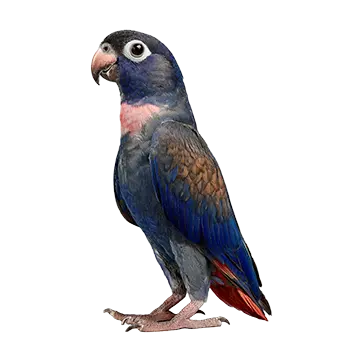

The Weaning Transition

Weaning is one of the most significant and delicate transitions in a young Bronze-Winged Pionus's life. The shift from exclusive hand-feeding formula or parental crop-feeding to independent consumption of solid foods typically begins between eight and ten weeks of age in this species, though individual variation is normal and should be respected. Pionus parrots are generally considered slow weaners compared to some other parrot genera, and attempting to force or accelerate this process almost always produces negative consequences ranging from nutritional deficiency to lasting behavioral problems.

The first signs of weaning readiness appear as the chick begins to mouth, chew, and play with solid objects in its environment. Offering a variety of soft, easily manipulated foods at this stage lets the chick explore eating on its own terms. Warm cooked grains, small pieces of soft fruit, steamed vegetables, and commercially prepared pellets that have been slightly moistened are all appropriate introductory foods. Place these items in a shallow dish at the bottom of the enclosure where the chick can investigate them between formula feedings.

As the chick begins to consume measurable quantities of solid food, formula feedings are gradually reduced in both volume and frequency. Most Bronze-Winged Pionus chicks transition to two formula feedings per day by ten to twelve weeks, then to a single evening feeding, and finally to complete independence from formula by fourteen to eighteen weeks. Daily weigh-ins remain critical throughout this period. Some weight loss during weaning is normal and expected, typically amounting to 10 to 15 percent of peak weight, but losses exceeding this range or accompanied by lethargy and disinterest in food may indicate that the chick has been weaned too quickly.

Forced weaning, the practice of abruptly withdrawing formula on a predetermined schedule regardless of the chick's readiness, is strongly discouraged. This approach can leave the chick malnourished during a critical developmental period and may lead to chronic food-related anxiety, crop-biting behaviors, and difficulty maintaining healthy body weight into adulthood. Abundance weaning, where formula remains available while solid foods are consistently offered, produces birds that transition confidently and develop a healthy, exploratory relationship with food.

Fledging & Flight Development

Fledging represents a transformative milestone for a juvenile Bronze-Winged Pionus, marking the shift from a stationary chick to a mobile, increasingly independent young bird. In Bronze-Winged Pionus parrots, the first tentative flight attempts usually occur between nine and twelve weeks of age, though full flight competence develops over several additional weeks as the flight muscles strengthen and coordination improves.

The physical preparation for fledging begins well before the first flight. The chick engages in vigorous wing-flapping exercises while perched or on the floor of the enclosure, building the pectoral muscles that power flight. These exercises are energetically demanding and should be supported with adequate nutrition. The chick's flight feathers should be inspected regularly during this period to ensure they are developing symmetrically and free of damage. Broken or missing blood feathers require careful management to prevent excessive bleeding and to avoid disrupting the aerodynamic balance the chick needs for safe flight.

The decision of whether to allow a juvenile Bronze-Winged Pionus to fledge fully or to clip the flight feathers is consequential and should be made thoughtfully. Many avian behaviorists now recommend allowing at least a period of flighted fledging before any wing trimming is considered, as the experience of flight builds physical coordination, spatial awareness, confidence, and cardiovascular fitness that benefit the bird throughout its life. A bird that has never fledged may develop coordination deficits and a fearful disposition that are difficult to remediate later.

If full flight is permitted, the environment must be made safe before the chick's first flights. Close windows and doors, cover mirrors and large glass surfaces, remove ceiling fans from operation, secure open water sources, and eliminate any gaps behind heavy furniture where a crash-landing chick could become trapped. Supervise all flight sessions during the early weeks, as the young bird's landings will be clumsy and often off-target. Provide multiple soft landing zones at various heights to give the chick options as it learns to control speed and trajectory.

Juvenile Bronze-Winged Pionus parrots that are allowed to fledge tend to develop stronger chest muscles, better balance, and a more confident demeanor compared to those that are clipped before their first flight. Even if wing trimming is planned for safety reasons in a household with hazards that cannot be adequately mitigated, allowing the chick to experience at least two to three weeks of controlled flight before clipping supports optimal physical and psychological development.

Diet & Nutritional Needs

A juvenile Bronze-Winged Pionus has nutritional requirements that differ meaningfully from both the newborn phase and the maintenance diet of a mature adult. The juvenile period is characterized by rapid skeletal growth, feather development, and neurological maturation, all of which place elevated demands on the bird's intake of protein, calcium, vitamins A and D, and essential fatty acids.

The foundation of the juvenile diet should be a high-quality, species-appropriate pelleted food formulated for growing parrots. Pellets are nutritionally balanced and prevent the selective feeding behavior that seed-based diets encourage, where a bird picks out its favorite seeds and ignores the rest, leading to nutritional gaps. Choose pellets sized appropriately for a medium parrot and introduce them early in the weaning process so the chick accepts them as a normal part of its diet rather than a novel and suspicious food item.

Fresh produce should constitute approximately 30 to 40 percent of the daily diet. Dark leafy greens such as kale, dandelion greens, Swiss chard, and turnip greens provide calcium, iron, and vitamin A precursors. Orange and red vegetables including sweet potato, carrots, and red bell pepper supply beta-carotene, which is particularly important for Pionus species to support immune function and maintain the vibrancy of their plumage. Fresh fruits can be offered in smaller quantities as treats and enrichment, but should not dominate the produce portion of the diet due to their high sugar content.

Seeds and nuts should be treated as training rewards and enrichment tools rather than dietary staples during the juvenile period. While they are calorie-dense and palatable, an over-reliance on seeds and nuts during this formative stage can establish preferences that are extremely difficult to reverse later and that predispose the bird to obesity, fatty liver disease, and vitamin A deficiency in adulthood. A few sunflower seeds or a small piece of walnut offered during a training session reinforces desired behaviors without compromising the overall nutritional balance.

Fresh, clean water must be available at all times in a container that the bird cannot tip over or foul with food debris. Some juvenile Pionus parrots enjoy bathing in their water dish, which necessitates frequent changes throughout the day. Providing a separate shallow bathing dish can help keep the drinking water cleaner while satisfying the bird's instinct to bathe, a behavior that supports feather health and skin condition.

Socialization & Behavioral Development

The juvenile period is the single most formative window for a Bronze-Winged Pionus's social and behavioral development. Experiences during this stage establish patterns of interaction, trust, and confidence that persist throughout the bird's potentially multi-decade lifespan. Bronze-Winged Pionus parrots are naturally inclined toward a calm and somewhat reserved temperament, but without proper socialization, this reserve can harden into fearfulness, phobic behavior, and defensive aggression.

Socialization during the juvenile stage should be systematic and gradually expanding. Begin with consistent, positive interactions with the bird's primary caregiver, then introduce other household members one at a time. Each new person should approach the bird calmly, offer treats, and allow the bird to initiate contact rather than forcing physical interaction. Pionus parrots tend to be somewhat one-person birds if their social world is not deliberately broadened during this period, so exposing the juvenile to multiple gentle, trustworthy humans is particularly important.

Environmental socialization is equally critical. Introduce the juvenile Bronze-Winged Pionus to the normal sights and sounds of the household progressively. Television at moderate volume, the sounds of cooking, the vacuum cleaner at a distance, visitors arriving at the door, and the movement of other household pets all form part of the sensory environment the bird needs to learn to navigate without distress. Each new stimulus should be introduced at a low intensity and increased gradually, pairing the experience with treats or calm verbal reassurance so the bird builds positive associations.

Biting behavior often emerges during the juvenile period as the bird tests boundaries and explores its environment through its beak. It is essential to respond to biting consistently but without punishment. A sharp verbal response or physical reaction to a bite teaches the bird that biting provokes an exciting reaction, inadvertently reinforcing the behavior. Instead, calmly withdraw attention when the bird bites, and return to positive interaction once the bird is calm. This approach takes patience, but it produces lasting results without damaging the trust between bird and caregiver.

Play and mental stimulation should be a daily priority. Provide a rotating selection of toys that encourage foraging, manipulation, and problem-solving. Puzzle feeders, shreddable materials, and toys with moving parts engage the juvenile's growing intelligence and give it appropriate outlets for its energy. A bored juvenile Pionus is far more likely to develop stereotypic behaviors such as feather picking, excessive screaming, or repetitive cage-bar chewing that can become deeply entrenched habits if not addressed during this critical stage.

Cage Setup & Living Environment

Transitioning a juvenile Bronze-Winged Pionus from a brooder to a proper cage is a significant step that should be timed to the bird's developmental readiness rather than to an arbitrary date. Most juveniles are ready for a cage once they are fully feathered, eating independently, and demonstrating reasonable perching stability, which typically occurs between twelve and sixteen weeks of age. The cage itself becomes the bird's primary territory and refuge, so setting it up thoughtfully from the beginning helps the bird feel secure.

The minimum recommended cage size for a Bronze-Winged Pionus is 24 inches wide by 24 inches deep by 30 inches tall, though larger is always preferable. Bar spacing should be between 5/8 and 3/4 of an inch to prevent the bird from wedging its head between the bars. Select a cage with a sturdy construction and a non-toxic powder-coated or stainless steel finish. Avoid cages made with zinc or lead-containing materials, as birds frequently mouth and chew on cage bars, and ingestion of these metals causes heavy metal toxicosis.

Perch selection and placement matter more than most new bird owners realize. Provide at least three perches of varying diameters and materials, including natural wood branches, a rope perch, and a textured grooming perch placed near a food dish. Varying diameters exercise the foot muscles and help prevent pressure sores that develop when a bird grips the same diameter continuously. Position perches at different heights within the cage, but avoid placing any perch directly above a food or water dish where droppings will contaminate the contents.

Cage placement within the home affects the bird's sense of security and its integration into the household. Position the cage in an area where the family spends time, such as a living room or den, so the bird can observe and participate in household activity. At least one side of the cage should be against a wall, which provides a sense of protection from behind. Avoid placing the cage in direct sunlight where the bird cannot escape the heat, near the kitchen where cooking fumes and non-stick coating off-gassing pose lethal respiratory risks, or in isolated rooms where the bird will be deprived of social interaction for extended periods.

Training Foundations

The juvenile period is the optimal time to establish the training fundamentals that will make living with a Bronze-Winged Pionus enjoyable for both the bird and its human family. Pionus parrots respond exceptionally well to positive reinforcement training, and the juvenile's natural curiosity and desire for social interaction make this stage uniquely productive for building a cooperative relationship.

Step-up training is the cornerstone of all companion parrot training and should be the first behavior taught. Present your hand or a perch at the bird's lower chest level and give a clear, consistent verbal cue such as "step up." When the bird steps onto your hand, immediately reward it with verbal praise and a small treat. Practice this in short sessions of five to ten minutes, several times daily, until the response is reliable in different locations and with different people. A bird that steps up confidently is dramatically easier to manage, transport, and examine than one that must be chased or grabbed.

Once step-up is reliable, expand the training repertoire with simple target training. Present a target stick, which can be a chopstick or a commercially made clicker-training target, near the bird. When the bird touches the target with its beak, mark the moment with a click or a consistent verbal marker and deliver a treat. Target training provides a foundation for teaching a wide range of more complex behaviors and gives you a tool for guiding the bird's movement without physical manipulation, which is invaluable during veterinary visits, cage transfers, and introductions to new environments.

Keep all training sessions short, positive, and varied. A juvenile Bronze-Winged Pionus will typically remain engaged for five to fifteen minutes before losing focus. End each session on a successful behavior rather than pushing until the bird becomes frustrated or disinterested. Training should feel like a game to the bird, and sessions that end with a reward leave the bird eager to participate the next time.

Consistency across all household members is essential. Everyone who interacts with the bird should use the same verbal cues, the same hand positions, and the same reward timing. Inconsistent cues confuse the bird and slow the learning process. Create a simple written guide for family members that lists each trained behavior, its associated cue, and the correct reinforcement protocol. This ensures the bird receives clear, unified communication regardless of who is handling it.

Health Monitoring & Veterinary Care

The juvenile period brings its own set of health considerations for the Bronze-Winged Pionus, distinct from both the fragile newborn phase and the maintenance concerns of adulthood. Regular veterinary oversight during this stage helps catch developmental issues early and establishes the baseline health data that will be referenced throughout the bird's life.

A comprehensive veterinary examination should be conducted at the beginning of the juvenile stage, around the time of weaning completion, and again at approximately six months of age. These visits typically include a physical examination, body weight and condition scoring, blood work to establish baseline hematology and chemistry values, and fecal screening. For birds that were not tested during the newborn period, disease screening for Psittacine Beak and Feather Disease, Avian Polyomavirus, and Psittacosis should be prioritized during the first juvenile examination.

Feather development requires close attention during this stage. The juvenile's first full set of feathers should grow in evenly and without significant stress bars, which appear as horizontal lines of weakness across the feather vane and indicate periods of nutritional deficiency or physiological stress during feather growth. Occasional stress bars on a few feathers are not uncommon, but widespread barring across multiple feather tracts suggests a systemic problem that warrants investigation. Feather picking or barbering behavior that appears during the juvenile period should be addressed immediately, as early intervention is far more effective than trying to break an established habit in an adult bird.

Respiratory health is a particular point of vigilance for Pionus species. Bronze-Winged Pionus parrots are susceptible to aspergillosis, a fungal respiratory infection caused by Aspergillus species that thrive in warm, humid environments with poor ventilation. The juvenile's developing immune system may be less equipped to resist this pathogen than an adult's. Maintain scrupulous cage hygiene, ensure adequate ventilation without drafts, and use air filtration in the bird's living area if environmental conditions favor mold growth.

At home, continue the daily monitoring habits established during the newborn phase. Weigh the bird weekly at minimum, observe droppings for consistency and color, and note any changes in appetite, activity level, vocalization patterns, or social behavior. A juvenile Bronze-Winged Pionus that suddenly becomes lethargic, refuses food, fluffs its feathers persistently, or sits on the cage floor rather than perching is exhibiting signs that warrant prompt veterinary evaluation.

Always consult a qualified professional before making any health-related decisions. This content is provided for informational reference only and should not replace professional guidance specific to your animal.