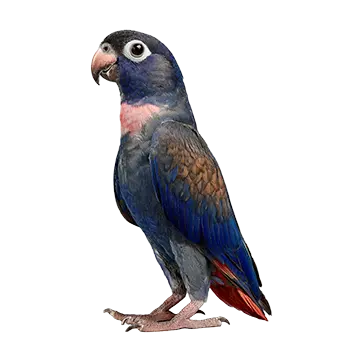

Breeding Readiness & Prerequisites

Breeding Bronze-Winged Pionus parrots is a significant commitment that demands preparation, knowledge, and resources well beyond what companion bird keeping requires. Before any breeding attempt is considered, the breeder must have a clear understanding of the species' reproductive biology, the financial and time investment involved in raising chicks, and a responsible plan for placing offspring in quality homes. Casual or impulse breeding contributes to the surplus of unwanted parrots and should be avoided.

Bronze-Winged Pionus typically reach sexual maturity between three and five years of age, though behavioral signs of hormonal activity may appear somewhat earlier. Physical maturity alone does not indicate breeding readiness. Both the male and female should be in excellent health, confirmed by a thorough veterinary examination that includes blood work, disease screening for Psittacine Beak and Feather Disease, Avian Polyomavirus, and Psittacosis, and an assessment of body condition and weight. Breeding birds that carry infectious diseases risks transmitting those diseases to their offspring and to any other birds in the aviary.

Genetic considerations are important in a species that has a relatively small captive gene pool. Breeding closely related birds increases the risk of genetic defects and reduced immune function in the offspring. If possible, obtain verified lineage information for both prospective parents to confirm they are unrelated. DNA sexing is essential, as Bronze-Winged Pionus are sexually monomorphic, meaning males and females are visually identical. Surgical or endoscopic sexing is no longer the standard practice; a simple blood or feather sample submitted to a reputable DNA laboratory provides a definitive result without invasive procedures.

The physical facilities must be appropriate before breeding is attempted. A dedicated breeding flight or large cage, a suitable nest box, a reliable source of hand-feeding supplies, access to an avian veterinarian experienced in reproductive medicine, and a brooder for emergencies are all prerequisites. The breeding environment should be in a quiet area, separated from heavy household traffic and away from other birds that could cause territorial stress.

Pair Bonding & Compatibility

Successful breeding begins with a compatible pair, and compatibility in Pionus parrots cannot be assumed simply because a male and female of the same species are housed together. Bronze-Winged Pionus parrots are selective in their mate choices, and forcing an incompatible pairing rarely produces results. Patient pair bonding is the foundation of a productive breeding program.

Introduce prospective mates gradually, beginning with visual contact through adjacent cages. Observe their reactions to each other over a period of days to weeks. Positive signs include mutual interest, calm body language when in each other's presence, allopreening attempts through the cage bars, and synchronized feeding behavior. Negative signs include persistent aggression, fear responses, avoidance, and one bird attempting to displace the other from food or perching areas. Not every introduction will work, and the breeder must be prepared to try different pairings if the initial match is clearly unsuccessful.

Once the birds are showing positive mutual behavior through the cage bars, they can be introduced into a shared space. This space should be neutral territory, not the established cage of either bird, to reduce territorial aggression. Supervise initial interactions closely and be prepared to separate the birds if aggression escalates beyond minor beak sparring, which is a normal part of the pair formation process. True compatibility becomes evident when the birds begin to preen each other, share food, and choose to roost side by side.

The bonding process for Bronze-Winged Pionus can take weeks to months, and some pairs may go through a full seasonal cycle before breeding activity begins. Patience is essential. A pair that is genuinely bonded will produce better fertility rates, more attentive parental behavior, and healthier chicks than a pair that is merely tolerating each other's presence. Rushing the process or keeping an incompatible pair together can result in injuries, chronic stress, and failed clutches.

Bonded pairs develop strong attachments that should be respected. Separating a bonded pair for rehoming or management purposes can cause significant psychological distress to both birds, manifesting as vocalization changes, appetite loss, feather-destructive behavior, and withdrawal. Any breeding program should plan for the lifelong housing of its bonded pairs.

Nesting Setup & Environment

The nest box is the centerpiece of the breeding environment, and its design, placement, and maintenance directly influence whether a pair will breed successfully. Bronze-Winged Pionus favor a grandfather-style or L-shaped nest box that provides a darkened interior with a stepped entrance, mimicking the tree cavities they would nest in throughout their native range in South America's Andean forests.

A suitable nest box for Bronze-Winged Pionus should measure approximately 10 inches wide by 10 inches deep by 18 to 24 inches tall, constructed from untreated hardwood at least 3/4 inch thick. The entrance hole should be approximately 3 inches in diameter, positioned near the top of the box. An internal ladder or textured surface from the entrance to the nest chamber floor allows the birds to descend safely without dropping onto the eggs. Line the bottom of the nest box with a layer of pine shavings or hardwood chips two to three inches deep, which provides cushioning for the eggs and absorbs moisture from droppings.

Place the nest box high in the enclosure, ideally at or near the top, with the entrance hole positioned so the birds can enter and exit without obstruction. The box should be mounted securely and oriented so the interior is dark and protected from direct light, which discourages the hen from breeding and can cause her to abandon the nest. Provide an inspection door or removable panel on the side or back of the box so the breeder can check eggs and chicks with minimal disturbance.

The breeding enclosure itself should be spacious enough for both birds to fly short distances and exercise normally. A minimum flight cage size of 4 feet long by 2 feet wide by 3 feet tall is recommended, though larger is better. Position food and water stations away from the nest box to minimize traffic near the nesting area. Maintain the room temperature between 70 and 78 degrees Fahrenheit with moderate humidity, and ensure good ventilation without drafts. The breeding room should be quiet and free from disturbances such as other pets, loud noises, or frequent human activity beyond necessary care and observation.

Egg Laying & Incubation

Once the pair has bonded and the nesting environment is established, the hen may begin egg laying after a courtship period that includes increased mutual preening, regurgitative feeding from the male to the female, and the hen spending time investigating and modifying the interior of the nest box. Bronze-Winged Pionus typically lay a clutch of three to five eggs, with each egg laid approximately 48 hours apart.

The eggs are white, slightly oval, and relatively small for a parrot of this size. The hen usually begins consistent incubation after the second or third egg is laid, though some hens begin sitting tightly from the first egg. Incubation is performed primarily by the hen, with the male typically standing guard near the nest entrance and feeding the hen during her time on the eggs. The incubation period for Bronze-Winged Pionus is approximately 24 to 26 days from the onset of consistent sitting.

Candling the eggs at approximately seven to ten days into incubation allows the breeder to determine fertility. A fertile egg held before a strong light source will show a network of blood vessels radiating from a visible embryo, while an infertile egg will appear uniformly translucent or will show a yolk shadow without vascular development. Infertile eggs can be removed to allow the hen to focus her energy on the viable eggs. Handle eggs with clean, dry hands and minimize the time they are out of the nest to prevent temperature drops that could compromise developing embryos.

Egg binding, a condition in which the hen is unable to pass a fully formed egg, is a medical emergency that every breeder must be prepared to recognize and respond to. Signs include prolonged straining, visible abdominal distension, fluffed posture, reluctance to move, and the hen sitting on the floor of the cage rather than in the nest box. If egg binding is suspected, provide supplemental warmth and humidity and contact your avian veterinarian immediately. Do not attempt to manually extract the egg, as this can rupture the oviduct and cause fatal internal hemorrhage.

During the incubation period, the breeding diet should be enriched to support the hen's elevated metabolic demands. Increase the availability of calcium-rich foods and ensure the hen has access to a cuttlebone or calcium block. Egg production depletes calcium reserves significantly, and insufficient calcium can lead to soft-shelled eggs, egg binding, and long-term bone density problems in the breeding hen.

Chick Rearing & Parental Behavior

Bronze-Winged Pionus are generally attentive and capable parents, and allowing the pair to raise their own chicks produces offspring with the best behavioral and social development. Parental rearing teaches the chicks species-appropriate body language, communication, feeding behavior, and social skills that hand-rearing cannot fully replicate. The breeder's role during parent-rearing is primarily one of monitoring, supplementation, and emergency intervention.

Hatching begins approximately 24 to 26 days after incubation commenced, and the chicks typically emerge over a span of two to four days if the hen began incubation before the clutch was complete. The earliest hatched chick will have a developmental advantage over its younger siblings, receiving more feedings and growing faster. Monitor younger chicks in the clutch carefully for signs that they are being underfed or outcompeted by older siblings. If a younger chick's crop is consistently empty while its older siblings appear well-fed, supplemental hand-feeding may be necessary.

The hen feeds the chicks crop milk and regurgitated food multiple times daily during the first week, with the male often relieving her on the nest so she can eat and drink. Observe the pair's feeding rhythm without excessive interference. Briefly inspect the nest box once daily when the hen is off the nest to check chick crops, overall condition, and nest box cleanliness. Remove soiled bedding and replace it with fresh shavings, working quickly to minimize the time the box is open.

If the breeder plans to hand-rear some or all of the chicks, the optimal time to pull them from the nest is between two and three weeks of age. At this point, the chicks have received the benefit of parental feeding and microbial colonization of the gut, and they are old enough to transition to hand-feeding formula without the extreme fragility of a day-old chick. Pulling chicks earlier than two weeks increases the difficulty and risk of hand-rearing, while pulling them later than four weeks makes the hand-taming process more challenging.

Be prepared for the possibility that parent-rearing may fail. First-time parents, young pairs, and birds that were themselves hand-reared without exposure to parental role models may abandon the nest, refuse to feed the chicks, or behave aggressively toward the offspring. Having a brooder ready, hand-feeding formula in stock, and a feeding protocol established before the eggs hatch ensures that you can intervene successfully if the parents cannot or will not fulfill their role.

Health Management During Breeding

The breeding period places unique physiological demands on both the male and female Bronze-Winged Pionus, and proactive health management helps ensure the safety of the parents and the viability of the offspring. Breeding-related health problems are among the most common emergencies in aviculture, and many can be prevented or mitigated through proper preparation.

Pre-breeding health assessments should be conducted for both birds at least four to six weeks before the nest box is introduced. This examination should include a complete physical exam, blood work with emphasis on calcium levels and liver function, fecal screening, and disease testing if not recently performed. Birds that are underweight, overweight, nutritionally deficient, or positive for contagious diseases should not be bred until these issues are resolved.

The hen's calcium status requires ongoing attention throughout the breeding cycle. Egg production is extraordinarily calcium-intensive, and a hen that enters the laying period with inadequate calcium reserves is at high risk for soft-shelled eggs, egg binding, and hypocalcemic seizures. Begin calcium supplementation several weeks before the expected laying date, and continue it through incubation and chick-rearing. Provide cuttlebone, mineral blocks, and calcium-rich foods such as kale, broccoli, and cooked legumes as part of the daily diet.

Monitor both birds for signs of stress throughout the breeding cycle. Breeding is physically and psychologically demanding, and even well-established pairs may show signs of strain. Feather condition, appetite, droppings quality, and behavioral patterns all serve as indicators of the birds' well-being. If either bird shows signs of significant stress, illness, or weight loss during the breeding attempt, consult your avian veterinarian about whether it is safe to continue or whether the nest box should be removed to allow recovery.

Between breeding cycles, both birds need a recovery period of at least six months to rebuild nutrient reserves and restore physical condition. Allowing hens to produce clutch after clutch without adequate rest leads to chronic calcium depletion, reproductive tract exhaustion, and shortened lifespan. Most responsible breeders limit their Bronze-Winged Pionus pairs to one clutch per year, with the nest box removed promptly after the chicks are weaned or pulled for hand-rearing.

Ethical Breeding Practices

Responsible breeding of Bronze-Winged Pionus parrots extends well beyond the mechanics of producing healthy chicks. Ethical breeders consider the welfare implications of every aspect of their program, from genetic diversity and flock health to the placement of offspring in permanent, quality homes. The companion parrot community depends on conscientious breeders to produce well-socialized, healthy birds while avoiding the overproduction that contributes to the rehoming crisis.

Genetic stewardship is a core responsibility. Bronze-Winged Pionus are less commonly bred in captivity than species such as Cockatiels or Budgerigars, which means the captive gene pool is relatively limited. Breeders should maintain accurate records of lineage, avoid inbreeding, and when possible, participate in cooperative breeding programs that facilitate the exchange of unrelated stock. Producing offspring from genetically diverse pairings supports the long-term viability of the captive population.

Socialization of breeder-raised chicks is not optional. Whether the chicks are parent-raised with supplemental human handling or hand-raised from an early age, they must be well socialized to human interaction before placement in pet homes. A chick that has not been handled regularly and gently is a chick that will struggle to adapt to life as a companion bird, increasing the likelihood that it will be rehomed, neglected, or surrendered. Socialization is part of the breeder's obligation to the bird and to the future owner.

Screening prospective owners is equally important. Ethical breeders interview potential buyers, ask about their experience with parrots, inquire about the living situation and household composition, and ensure the buyer understands the multi-decade commitment involved in keeping a Bronze-Winged Pionus. Providing the new owner with a written care guide, a health certificate from the avian veterinarian, DNA sexing results, and disease testing documentation sets the foundation for a successful placement. Offering ongoing support and a commitment to take the bird back if the owner can no longer care for it are hallmarks of responsible breeding.

Finally, the breeder should critically evaluate whether each breeding attempt serves the broader welfare of the species and the individual birds involved. Breeding for color mutations at the expense of health or temperament, producing more chicks than the market can responsibly absorb, or continuing to breed a hen whose health is declining are all practices that prioritize production over welfare. The best breeders produce fewer chicks of higher quality, placed in carefully vetted homes, with the long-term well-being of every bird as the guiding principle.

Always consult a qualified professional before making any health-related decisions. This content is provided for informational reference only and should not replace professional guidance specific to your animal.