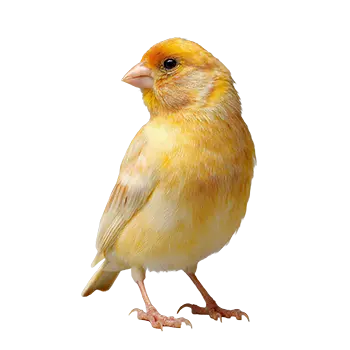

Fledging & the First Days Out of the Nest

The Border Canary typically fledges between 14 and 18 days of age, leaving the nest in a burst of awkward, fluttering effort that marks its transition from a helpless nestling to an active juvenile. Fledging does not happen all at once. The chick spends several days perching on the nest rim, flapping vigorously, and making short hops to nearby perches before committing to its first real flight. During this tentative period, the chick may return to the nest repeatedly for warmth and security, particularly at night.

The cage environment should be prepared in advance for fledging. Lower perches should be positioned so that a clumsy fledgling that misses its landing can recover without falling to the cage floor from a dangerous height. Remove any open water dishes and replace them with shallow, stable containers or tube-style drinkers that a fledgling cannot fall into and drown. This is a genuine risk with newly fledged canaries, as their coordination and flight ability are poor during the first few days out of the nest.

The parents continue to feed the fledgling after it leaves the nest, and this parental feeding is essential during the transition period. The young bird does not yet know how to crack seed or locate food independently, and it relies entirely on the cock bird and sometimes the hen for sustenance. The cock typically assumes the primary feeding role at this stage, as the hen may already be preparing for a second clutch. Observe the fledgling closely to confirm it is being fed regularly. A fledgling that sits puffed and quiet on the cage floor, making persistent begging calls that go unanswered, may need supplemental hand-feeding.

Keep handling to a minimum during the first few days after fledging. The young bird is already coping with enormous changes in its environment and abilities, and excessive handling adds unnecessary stress. Brief visual checks to confirm the bird is being fed and is perching normally are sufficient. If the bird needs to be caught for any reason, dim the room lights first and use a gentle, cupped-hand technique to minimize panic and the risk of injury.

Weaning & Diet Transition

Weaning is the gradual process by which a juvenile Border Canary transitions from dependence on parental feeding to self-sufficient eating, and it typically unfolds between three and five weeks of age. This is not a process that should be rushed. Premature separation from the parents before the young bird has demonstrated consistent independent feeding is one of the most common causes of failure to thrive in juvenile canaries.

The weaning process begins when the fledgling starts to explore food on its own, pecking curiously at seed, egg food, and greens in the cage. At first, these pecking attempts are largely exploratory and unproductive. The bird may pick up seeds and drop them, mouth soft food without swallowing, or simply scatter food items around the dish. Over several days, these fumbling efforts become more coordinated as the bird learns to husk seed by rolling it against the palate with its tongue and biting down to split the hull.

During weaning, maintain a generous supply of soft foods alongside the standard seed mix. Egg food, finely grated carrot, soaked seed, and small pieces of leafy greens such as romaine lettuce or dandelion leaves give the juvenile easy-to-consume nutrition while it perfects the skill of seed husking. Scatter some seed on the cage floor as well as in dishes, since young birds naturally forage on the ground and may discover food more readily at floor level.

The surest sign that weaning is complete is consistent, independent seed consumption confirmed by the presence of husked seed shells in the food dish and normal droppings that reflect a seed-based diet. Crop checks are useful during this transition: a juvenile whose crop is full at the end of the day is feeding itself adequately. Once you are confident the bird is eating independently, it can be separated from the parents if desired, though many breeders house juveniles in a communal flight cage with other young birds rather than isolating them immediately.

Abrupt weaning, removing the parents or the soft food supply suddenly, can cause dangerous weight loss and stress. Always taper the transition. Reduce soft food gradually over a week or two after you observe consistent seed eating, and separate the juvenile from the parents only after it has maintained its weight independently for at least five consecutive days.

Nutrition for the Growing Juvenile

The nutritional demands of a juvenile Border Canary are distinct from those of both the newborn chick and the mature adult. The juvenile is no longer dependent on parental feeding or hand-rearing formula, but it is still growing rapidly, building muscle mass, developing its skeletal frame, and preparing for the metabolically expensive first molt. A diet that supports these concurrent demands is essential for producing a robust, well-developed young bird.

The foundation of the juvenile diet is a standard canary seed mix, but the proportions and supplements should be adjusted to favor growth. Increase the availability of protein-rich additions such as egg food, offered daily during the first two months after weaning. Sprouted seed remains an excellent supplement, providing easily digestible protein, vitamins, and enzymes that support rapid growth. Small amounts of conditioning seeds including niger, hemp, and linseed add beneficial fats that support feather development and overall energy needs.

Fresh greens and vegetables should be offered daily to introduce the juvenile to the variety it will need throughout its life. Dandelion leaves, watercress, broccoli florets, and finely grated carrot are nutrient-dense options that most juveniles will learn to accept if offered consistently. Birds that are not introduced to fresh foods during the juvenile period often become resistant to them as adults, making this a critical window for establishing broad dietary acceptance.

Calcium availability is particularly important during the juvenile growth phase, as the skeleton is still mineralizing and the first molt places additional demands on calcium reserves. Ensure a fresh cuttlebone is always accessible and positioned where the juvenile can reach it easily. If multiple juveniles are housed together, provide more than one cuttlebone to prevent dominant birds from monopolizing access. Some breeders also dust egg food lightly with a calcium-vitamin D powder to ensure adequate intake.

Monitor the juvenile's body condition as it transitions from the rapid weight gain of the post-weaning period to the more gradual growth curve of adolescence. A healthy juvenile Border Canary should feel firm and well-muscled when held, with the keel bone palpable but not prominent. A bird with a sharply protruding keel is underweight and may not be eating enough or may have an underlying health issue. Conversely, a bird that feels soft and rounded with fat deposits along the flanks is being overfed, and calorie-dense supplements should be reduced.

The First Molt

The juvenile molt is one of the most significant physiological events in a young Border Canary's life. Occurring at approximately eight to twelve weeks of age, this molt replaces the bird's juvenile plumage with its first set of adult body feathers. For Border Canary enthusiasts who breed for exhibition, the outcome of this molt has lasting implications for the bird's show career, as the quality, texture, and fit of the new plumage directly affect the bird's conformity to the breed standard.

The molt begins with the loss of the small body feathers on the head and chest, progressing to the back and flanks over a period of six to eight weeks. Flight feathers and tail feathers are typically retained from the juvenile plumage during this first molt and are not replaced until the bird undergoes its first full annual molt the following year. During the molt, the bird may appear scruffy and patchy as old feathers fall out and new pin feathers emerge in their place.

Nutritional support during the first molt is critical. Feather production is a protein-intensive process, and a young bird that is nutritionally shortchanged during the molt will grow feathers that are thin, brittle, or poorly colored. Increase the provision of egg food, offer small amounts of conditioning seed rich in oils such as niger seed and linseed, and ensure a mineral block and cuttlebone are always available to supply calcium and trace minerals. Some breeders also add a commercial feather-conditioning supplement to the drinking water during the molt.

The molting bird should be kept in a calm, stable environment with consistent lighting. Stress during the molt can cause fault bars, structural weaknesses that appear as translucent lines across the feather vane, making the feathers prone to breakage. Avoid relocating the bird, introducing new cage mates, or making sudden changes to the daily routine during this sensitive period. Bathing should be offered regularly, as moisture helps soften the keratin sheaths encasing the new pin feathers and encourages the bird to preen them open.

For breeders focused on the Border Canary's type characteristics, the first molt is an important evaluation point. As the adult plumage comes in, the bird's body shape, feather tightness, and overall conformation become much clearer. Birds that display the desired compact, rounded silhouette with smooth, tightly fitting plumage are identified as potential show candidates, while those with loose feathering, poor stance, or proportional flaws are noted for pet placement rather than exhibition.

Early Song Development & Socialization

Male Border Canaries begin their vocal journey during the juvenile stage, and although the Border Canary is classified as a type breed rather than a song breed, the quality and character of a cock bird's song still contributes meaningfully to his appeal as a companion and, in some circles, to his evaluation as a well-rounded specimen. Song development in canaries is a learned behavior influenced by both genetics and auditory experience, making the juvenile period a formative window for vocal learning.

Young cocks typically begin producing subsong, a quiet, rambling, and highly variable vocalization, at around four to six weeks of age. Subsong is the avian equivalent of babbling in human infants. The bird experiments with a wide range of sounds, tones, and patterns, and much of what it produces at this stage will not persist into the adult repertoire. However, the sounds the juvenile hears during this period will shape the phrases and patterns it eventually crystallizes into its mature song.

If you want a juvenile cock to develop a particular style of song, house him within earshot of an accomplished adult singer whose song you admire. The juvenile will absorb and imitate elements of the tutor's song over the weeks and months that follow. Conversely, if the juvenile is exposed to poor-quality singing, harsh calls, or excessive environmental noise, these undesirable elements may become incorporated into his developing repertoire. Some breeders isolate young cocks in a quiet room with a single high-quality tutor to maximize the influence of the desired song model.

Socialization during the juvenile stage extends beyond vocal learning. Young Border Canaries benefit from exposure to normal household sounds, gentle human interaction, and the company of other young birds. Housing juveniles together in a spacious flight cage encourages natural social behavior, physical activity, and the development of a confident temperament. Juvenile canaries that are raised in isolation tend to be more skittish and reactive to novel stimuli than those raised in a social environment.

Hens do not develop song in the way cocks do, but they do learn to produce contact calls and alarm calls during the juvenile period. Hens raised alongside well-socialized adults tend to be calmer and more adaptable to new environments. For keepers who do not intend to breed, the juvenile period is an ideal time to begin gentle hand-taming exercises, offering spray millet or greens from the hand to build a positive association with human proximity.

Housing & Flight Development

Proper housing during the juvenile stage plays a direct role in the physical development and long-term fitness of a Border Canary. Once a bird has fledged and is feeding independently, it should ideally be moved to a spacious flight cage or indoor aviary where it can exercise freely. Strong flight muscles, cardiovascular fitness, and robust bone density all depend on the bird having room to fly back and forth rather than merely hopping between closely spaced perches.

A juvenile flight cage should be at least 24 inches long to allow meaningful horizontal flight, and longer is always better. Border Canaries are active, agile flyers despite their compact build, and a young bird housed in a cage that restricts flight will develop weaker musculature and may be predisposed to obesity later in life. Perches should be placed at varying heights and made from natural wood branches of differing diameters to promote foot health and grip strength.

As the juvenile refines its flying ability over the first few weeks after fledging, you will notice a dramatic improvement in coordination, landing precision, and mid-air maneuvering. Early flights are clumsy, with the bird frequently overshooting perches or crashing into the cage sides. This is normal and resolves quickly with practice. Ensure there are no hazards in the cage that could injure a bird during an awkward landing, such as sharp edges, exposed wire ends, or dishes positioned where a falling bird might strike them.

Cage placement matters as well. Position the cage in a well-lit area that receives natural daylight but is not in direct sun for extended periods, as overheating is a risk for young birds. Avoid placing the cage near drafts from windows, doors, or air conditioning vents. A consistent day-night cycle with 12 to 14 hours of light during the juvenile growth period supports healthy metabolic function and aligns with the bird's natural circadian rhythms.

For breeders housing multiple juveniles together, monitor the group dynamics carefully. Most young Border Canaries coexist peacefully, but as cocks approach sexual maturity they may begin showing territorial behavior toward cage mates. Squabbling over perch positions and food access can escalate to feather plucking or physical aggression if space is insufficient. Separate any bird that is consistently being bullied or that is displaying aggressive behavior toward others.

Health Concerns During the Juvenile Stage

The juvenile period carries its own set of health risks that differ from those of the newborn stage. While the acute fragility of the first days of life has passed, the juvenile Border Canary is undergoing rapid physiological changes including weaning, molting, and skeletal maturation that place significant demands on its body. Vigilance during this stage prevents minor issues from escalating into serious illness.

Air sac mites represent one of the most common health threats to juvenile canaries. These microscopic parasites, primarily Sternostoma tracheacolum, infest the respiratory tract and can cause progressive breathing difficulty, voice changes, and eventually death if untreated. Juvenile birds contract the mites from their parents during feeding. Signs include a clicking or wheezing sound during breathing, especially noticeable at night when the room is quiet, and a progressive loss of vocal clarity. Treatment with ivermectin, administered topically or orally under veterinary guidance, is highly effective when caught early.

Coccidiosis is another concern in young canaries, particularly those housed in crowded or insufficiently cleaned environments. This parasitic infection of the intestinal tract causes watery or bloody droppings, weight loss, lethargy, and ruffled plumage. Fecal testing by an avian veterinarian can confirm the diagnosis, and treatment typically involves a course of sulfonamide-based medication added to the drinking water. Prevention hinges on strict hygiene, including daily removal of soiled cage paper, regular disinfection of perches and dishes, and avoiding overcrowding.

Feather cysts occasionally occur in Border Canaries during the juvenile molt. A feather cyst forms when a growing feather fails to erupt through the skin and instead curls beneath the surface, creating a firm, sometimes painful lump. This condition has a hereditary component and is more common in intensively feathered breeds. Small cysts may resolve on their own, but larger ones often require veterinary intervention to drain or surgically remove. Birds that develop feather cysts should generally be excluded from breeding programs to avoid perpetuating the genetic predisposition.

Regular weighing remains important throughout the juvenile stage, though the frequency can be reduced from daily to two or three times per week once the bird is weaned and feeding independently. Sudden weight drops, even of half a gram, are significant in a bird that typically weighs between 20 and 25 grams as a juvenile. Pair the weight data with behavioral observations: a juvenile that is active, vocalizing, eating, bathing, and preening normally is almost certainly in good health, regardless of minor fluctuations on the scale.

Always consult a qualified professional before making any health-related decisions. This content is provided for informational reference only and should not replace professional guidance specific to your animal.