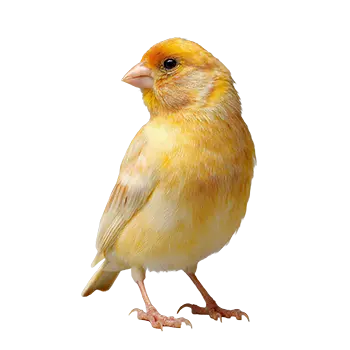

Successful Border Canary breeding begins long before the birds are introduced to each other. Thoughtful pair selection is the foundation of a productive breeding program, whether the goal is producing exhibition-quality birds, improving specific type characteristics, or simply raising healthy offspring for pet homes. The Border Canary is judged primarily on type, meaning its body shape, proportions, stance, and feather quality, and breeding decisions should be guided by a clear understanding of the breed standard.
When selecting a breeding pair, evaluate each bird against the standard's requirements for a compact, well-rounded body carried at approximately 60 degrees from the horizontal. The head should be round and proportional, the chest full without being heavy, the back slightly rounded, and the wings held close to the body meeting at the tips. Select birds whose individual strengths complement each other's weaknesses. If a cock bird has excellent head shape but slightly long proportions, pairing him with a hen that is compact and well-balanced may produce offspring that combine the best qualities of both parents.
Feather type is a critical consideration in Border Canary pairings. Canaries are broadly classified as buff-feathered or yellow-feathered, terms that refer to feather structure rather than color. Buff feathers have a wider, softer texture with frosted tips, while yellow feathers are tighter, narrower, and more intensely colored. The standard pairing practice is to mate a buff bird to a yellow bird. Pairing two buffs together over successive generations produces increasingly soft, loose feathering that deviates from the breed standard's preference for a clean, tight outline. Pairing two yellows together can produce excessively tight, thin plumage that exposes bare skin.
Both birds should be in excellent health before breeding is attempted. Breeding is physically demanding, particularly for the hen, and a bird that enters the breeding season in poor condition is unlikely to produce healthy offspring and may suffer health consequences itself. An avian veterinary check-up before the season, including a fecal screen for parasites and a general physical assessment, provides confidence that both birds are fit for the demands ahead. Birds younger than ten months or older than six years should generally not be bred, as very young birds lack the maturity for reliable parenting and older birds face increased risks of egg binding and fertility failure.