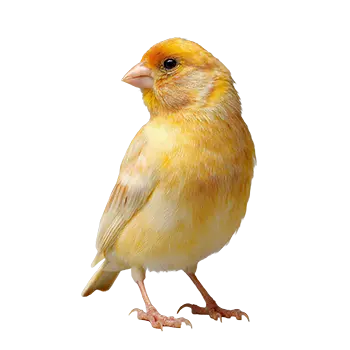

Daily Nutrition & Feeding Strategy

An adult Border Canary in its prime years requires a well-balanced diet built around a high-quality canary seed mix as the dietary foundation. The standard mix for canaries consists primarily of canary grass seed supplemented with smaller proportions of rapeseed, niger seed, linseed, and oat groats. This combination provides the essential fats, proteins, and carbohydrates an active adult bird needs. However, seed alone is nutritionally incomplete, and supplementation with fresh foods, minerals, and vitamins is necessary to prevent deficiency-related health problems over the long term.

Fresh vegetables and greens should be offered daily. Romaine lettuce, broccoli florets, finely grated carrot, dandelion leaves, and cucumber slices are all readily accepted by most Border Canaries and provide vitamins A, C, and K along with dietary fiber that supports digestive health. Introduce new foods gradually and in small quantities, removing uneaten fresh food after a few hours to prevent spoilage. Some birds are initially reluctant to try unfamiliar foods, but persistent offering over days or weeks usually results in acceptance.

Egg food, while primarily associated with the breeding season and the molt, also serves as a valuable protein supplement for adult Border Canaries year-round when offered once or twice per week. A small spoonful is sufficient. During the non-breeding months, limit the quantity to prevent excessive weight gain, as egg food is calorie-dense and Border Canaries are prone to obesity when overfed rich supplements while living in standard-sized cages with limited exercise opportunities.

Mineral supplementation is non-negotiable. A cuttlebone or mineral block should be available at all times to provide calcium, which is essential for bone maintenance, muscle function, and, in hens, future eggshell production. Grit is a subject of ongoing debate among canary keepers, but offering a small dish of mineralized grit allows the bird to self-regulate its intake of calcium carbonate and trace minerals. Fresh, clean water must be available at all times, changed daily, and provided in a container that prevents contamination by droppings or food debris.

The Annual Molt

The annual molt is the most physiologically demanding event in an adult Border Canary's yearly cycle, typically occurring in late summer through early autumn as daylight hours begin to shorten. Over a period of six to ten weeks, the bird replaces virtually its entire plumage, including body feathers, flight feathers, and tail feathers. During this time, the bird diverts a substantial portion of its metabolic resources toward feather production, and its energy requirements increase significantly.

The onset of the molt is triggered primarily by changes in photoperiod. As the days grow shorter after the summer solstice, hormonal shifts initiate the shedding of old feathers and the growth of new ones. In birds kept indoors under artificial lighting, it is important to adjust the light schedule to mimic natural seasonal changes. Maintaining long day lengths year-round can disrupt the molt cycle, leading to incomplete or prolonged molting that compromises feather quality and overall health.

During the molt, increase the nutritional density of the diet substantially. Egg food should be offered daily rather than once or twice weekly. Add conditioning seeds such as niger, hemp, and linseed in small quantities to boost protein and fat intake. A commercial molting supplement added to the drinking water can provide additional amino acids, particularly methionine and cystine, which are the primary building blocks of keratin in feathers. Fresh greens and vegetables remain important for their vitamin content, and a bath should be offered daily or every other day to help the bird maintain skin condition and encourage preening of emerging pin feathers.

Male Border Canaries typically stop singing during the molt, and this silence can last several weeks. This is entirely normal and is caused by the hormonal changes that drive the molting process. Song will return once the molt is complete and the bird's testosterone levels begin to rise again as the new feather coat reaches maturity. Do not attempt to stimulate singing during the molt through increased lighting or artificial means, as this interferes with the natural molting cycle.

For exhibition breeders, the annual molt is the event that determines a Border Canary's show readiness for the coming season. The quality of feather regrowth depends on nutrition, stress levels, and genetics. A bird that molts in a calm, stable environment with optimal nutrition will produce tight, glossy plumage that lies smoothly against the body, essential for meeting the Border Canary breed standard that prizes a compact, well-rounded silhouette with smooth, closely fitting feathering.

The Seasonal Care Cycle

An adult Border Canary's care requirements shift throughout the year in rhythm with the natural cycle of breeding, molting, and rest. Understanding this seasonal pattern and adjusting husbandry accordingly is one of the hallmarks of experienced canary keeping. Rather than maintaining a static care routine year-round, the attentive keeper modulates diet, lighting, and environmental conditions to support whatever physiological phase the bird is currently navigating.

The breeding season, typically spanning late winter through spring, is the period of highest metabolic demand. Birds that are actively breeding require extended day lengths of 13 to 14 hours to maintain reproductive condition, along with enriched nutrition including daily egg food, conditioning seed, and abundant fresh greens. Even birds that are not being bred will respond to the increasing day length with heightened singing activity and restlessness, and their diet should be moderately enriched to support this increased energy expenditure.

Summer marks the transition into the molt. As day length peaks and then begins to shorten after the solstice, hormonal shifts trigger feather replacement. The dietary emphasis shifts from breeding support to molt support, with increased protein for feather production and continued high-quality nutrition to sustain the bird through this demanding process. Lighting should be allowed to follow the natural shortening of the days, or artificially reduced on a timer, to provide the photoperiod cues the bird needs to molt cleanly and completely.

Autumn and winter constitute the rest period. The molt is complete, breeding activity has ceased, and the bird enters a maintenance phase characterized by reduced metabolic demand. Diet can be simplified to the base seed mix with moderate fresh food supplementation and less frequent egg food. Day length should be at its shortest, around 10 to 11 hours of light, giving the bird extended rest periods that support immune function and allow the body to recover from the rigors of the previous breeding and molting seasons. This rest period is not idle time but an essential recovery phase that directly influences the bird's fitness for the next year's cycle.

Keepers who skip the rest period, maintaining long days and rich diets year-round, often find their birds in declining condition by the second or third year. Chronic hormonal stimulation without seasonal rest leads to exhaustion, reproductive problems, incomplete molts, and shortened lifespans. Respecting the natural seasonal rhythm, even in a fully indoor bird, is one of the simplest and most impactful things a keeper can do for long-term health.

Exercise, Enrichment & Mental Stimulation

Adult Border Canaries are naturally active birds that benefit significantly from an environment that encourages movement, exploration, and mental engagement. While canaries are not typically handled or trained in the way parrots are, they are intelligent and curious animals that can become lethargic and prone to behavioral issues if confined to a barren cage with nothing to do beyond eating and sitting on a perch.

The most effective form of exercise for a canary is flight. A cage that allows horizontal flight, ideally at least 30 inches in length, gives the bird space to fly back and forth between perches positioned at each end. For keepers who can provide it, regular supervised time in a bird-safe room offers even greater exercise opportunities. Before releasing a canary for free flight, ensure all windows and mirrors are covered or marked to prevent collisions, ceiling fans are turned off, and other pets are excluded from the space.

Environmental enrichment can take many forms suited to the canary's natural behaviors. Swings and flexible perches engage the bird's balance and grip. Small mirrors, while controversial for some species, are generally well tolerated by canaries and can stimulate social behavior and singing in single-bird households. Foraging opportunities, such as tucking greens between cage bars, threading spray millet through a clip that requires the bird to work for its food, or scattering seed on a tray of clean gravel, tap into the bird's natural foraging instincts.

Bathing is both a hygiene practice and an enrichment activity that most Border Canaries relish. Offer a shallow bath dish two to three times per week, or more frequently during warm weather and the molt. Many canaries will bathe enthusiastically within minutes of the dish being placed in the cage, splashing vigorously and then spending considerable time preening and drying their feathers afterward. The entire bathing and preening sequence can occupy the bird happily for an hour or more.

Rotate enrichment items periodically to maintain novelty. A bird that has grown accustomed to a particular toy or arrangement may lose interest, and introducing something new, even repositioning the perches or adding a fresh branch of pesticide-free apple wood, can reinvigorate the bird's exploration behavior. Avoid overcrowding the cage with accessories, however, as this restricts flight space and defeats the primary purpose of the housing.

Show Conditioning & the Breed Standard

For keepers involved in the exhibition side of the hobby, the adult years are when a Border Canary's conformity to the breed standard is fully assessed and showcased. The Border Canary breed standard emphasizes a compact, well-rounded body carried in a semi-erect posture at approximately 60 degrees from the horizontal. The head should be round and neat, proportional to the body, with a small, conical beak. The wings should be held close to the body and meet at the tips without crossing. Overall, the ideal Border Canary presents a smooth, clean outline without any lumps, bumps, or feather faults that disrupt the silhouette.

Show conditioning begins weeks before a competition and involves a combination of diet management, feather care, and cage training. The bird should be in peak feather condition, which means the most recent molt must have produced clean, tight plumage free of fault bars, broken feathers, or staining. Diet in the weeks before a show should emphasize feather quality: a moderate amount of conditioning seed alongside the regular mix, daily egg food, and fresh greens to support overall condition without promoting excessive fat deposits that alter the bird's body shape.

Cage training is an essential part of show preparation. Exhibition Border Canaries are judged in standardized show cages, and a bird that is unfamiliar with the show cage will be nervous, flighty, and unable to display its qualities to the judge. Introduce the bird to the show cage well in advance, initially placing it in the cage for short periods and gradually extending the time. The bird should learn to perch calmly, move between the perches in a controlled manner, and maintain its natural posture without panic.

Transportation stress can undo weeks of conditioning if not managed carefully. Accustom the bird to brief car journeys before the show day, and use a covered carrier that provides darkness and quiet during transit. At the show hall, allow the bird time to settle before it is benched for judging. An experienced show bird that has been properly conditioned will perch calmly, display its characteristic shape and stance, and allow the judge to evaluate it without excessive fluttering or clinging to the cage bars.

Even keepers who do not show their Border Canaries benefit from understanding the breed standard, as it provides a framework for evaluating the bird's health and physical development. A bird that conforms well to the standard, with tight feathering, good proportions, and an alert but relaxed demeanor, is almost always a bird that is in excellent health and has been well cared for.

Routine Health Maintenance

An adult Border Canary in its prime years is generally a hardy bird, but routine health maintenance prevents the gradual onset of conditions that can shorten the bird's lifespan or diminish its quality of life. A proactive approach to health care is far more effective and less costly than treating advanced illness in a bird that weighs barely an ounce.

Nail and beak maintenance is one of the most common routine care needs. In a natural environment, a canary's nails and beak are worn down through contact with rough surfaces and the mechanical action of husking seed. In captivity, nails can overgrow if the bird's perches are all smooth and uniform in diameter. Providing at least one concrete or pumice perch positioned at a secondary resting spot encourages natural wear. If the nails still grow excessively, careful trimming with small, sharp nail clippers is straightforward but requires confidence, as each nail contains a blood vessel that will bleed if cut too short.

Parasite prevention should be part of the annual health routine. External parasites such as red mites can infest cages and feed on birds at night, causing anemia, restlessness, and feather damage. Regular inspection of cage crevices, perch ends, and nest boxes for the tiny reddish-brown mites, combined with thorough cage cleaning and periodic treatment with an avian-safe miticide, keeps infestations at bay. Internal parasites, including air sac mites and intestinal coccidia, can persist at subclinical levels in apparently healthy birds and flare up during periods of stress. Annual fecal screening by an avian veterinarian provides early detection.

An annual wellness examination by a veterinarian experienced with avian species is recommended even for seemingly healthy birds. The examination typically includes a physical assessment, body condition scoring, and discussion of the bird's diet, environment, and behavior. Blood work and fecal analysis can be performed at the veterinarian's discretion to screen for metabolic disease, liver or kidney dysfunction, and parasitic infection. Establishing a baseline of normal values for an individual bird makes it much easier to detect subtle changes that signal early disease.

Between veterinary visits, the keeper's daily observations are the first line of defense. Spend a few minutes each day watching the bird's behavior, noting its appetite, activity level, droppings consistency, and feather condition. A healthy adult Border Canary is alert, active, and vocal, with bright eyes, smooth plumage, and clean vent feathers. Any deviation from this baseline, whether subtle or dramatic, deserves investigation rather than a wait-and-see approach.

Common Adult Health Conditions

While adult Border Canaries are robust compared to newborns and juveniles, several health conditions appear with notable frequency during the prime years. Awareness of these conditions, their early signs, and their management helps keepers respond effectively when problems arise.

Obesity is arguably the most prevalent health issue in adult canaries kept as pets. Border Canaries confined to small cages and fed a seed-heavy diet with frequent treats accumulate fat deposits around the abdomen, chest, and flanks. An overweight canary may appear rounded and full, which can be mistaken for good condition, but excessive fat burdens the liver, impairs respiratory function, and shortens lifespan. Prevention involves providing adequate flight space, moderating seed intake, offering a diverse diet with plenty of fresh vegetables, and limiting high-calorie supplements like egg food to appropriate occasions.

Hepatic lipidosis, or fatty liver disease, is closely associated with obesity and is one of the leading causes of sudden death in adult canaries. The condition develops when fat accumulates in the liver faster than the organ can process it, eventually impairing liver function. Clinical signs may include overgrown beak, distended abdomen, and yellowish discoloration of the skin visible through the feathers on the belly. By the time these signs are apparent, the disease is often advanced. Treatment involves dietary correction, supportive care, and sometimes hepatoprotective medications prescribed by an avian veterinarian.

Feather cysts, discussed in the juvenile section as an occasional developmental issue, can also appear in adult Border Canaries, particularly in individuals with a genetic predisposition. Recurrent feather cysts at the same follicle site may require surgical cauterization of the follicle to prevent repeated regrowth and cyst formation. Birds with chronic feather cyst problems should not be bred.

Respiratory disease remains a concern throughout the adult years. Exposure to airborne irritants such as cooking fumes, scented candles, aerosol sprays, and cigarette smoke can cause chronic respiratory inflammation that predisposes the bird to secondary infections. Canaries are exceptionally sensitive to airborne toxins, and what may seem like a minor household scent to a human can be acutely dangerous to a small bird with highly efficient respiratory physiology. Maintaining clean air quality in the room where the bird is housed is a non-negotiable aspect of responsible canary keeping.

Always consult a qualified professional before making any health-related decisions. This content is provided for informational reference only and should not replace professional guidance specific to your animal.