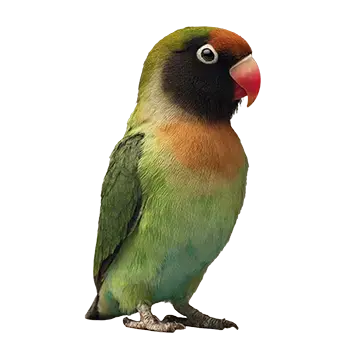

The Weaning Transition

Weaning is one of the most consequential transitions in a young Black-Cheeked Lovebird's life, and it must be approached with patience and careful observation rather than rigid timelines. The weaning process typically begins around five to six weeks of age, when the fledgling starts showing interest in solid foods, and may not be fully complete until eight to ten weeks. Rushing weaning to meet an arbitrary schedule is one of the most common mistakes made with hand-raised lovebirds, and it can result in malnourished, underweight birds with lasting behavioral and health consequences.

The first signs of weaning readiness appear as the chick begins to mouth, nibble, and play with solid objects in its environment. Place shallow dishes of softened seeds, finely chopped vegetables, and small pellets near the chick so it can explore these foods at its own pace. Spray millet is an excellent transitional food for lovebirds because the small seed size is manageable for their beaks and the act of picking seeds from the spray mimics natural foraging behavior. At this stage, the chick is not yet consuming meaningful quantities of solid food, and formula feedings must continue at their current schedule.

As the chick begins to consume measurable amounts of solid food, formula feedings can be gradually reduced. The typical progression is to eliminate the midday feedings first while maintaining the morning and evening formula meals. Monitor the chick's weight daily throughout this process. A modest weight plateau is normal during weaning as the bird shifts from the calorie-dense formula to less concentrated whole foods, but actual weight loss exceeding five percent of body weight should prompt a return to more frequent formula feedings and a veterinary consultation.

Abundance weaning, where the chick always has access to a wide variety of solid foods and the formula is reduced only as the bird demonstrates consistent independent eating, produces the best outcomes. Forced weaning, where formula is abruptly withdrawn to compel the chick to eat solids, causes unnecessary stress and can trigger behavioral problems including food refusal, excessive screaming, and feather-destructive behaviors. A well-weaned Black-Cheeked Lovebird transitions smoothly to solid food because it has had weeks to develop the motor skills, curiosity, and confidence needed to feed itself.

Fledging & Flight Development

The fledging period represents a dramatic physical and psychological shift for a juvenile Black-Cheeked Lovebird. In the wild, Black-Cheeked Lovebirds inhabit mopane woodland and deciduous forest in a limited range within southwestern Zambia, where flight competence is essential for survival. In captivity, the fledging process is equally important for physical development, coordination, and psychological well-being, even in birds that will live in a household environment.

Flight feathers typically reach functional length around five to six weeks of age, and the young bird begins making increasingly vigorous wing-flapping attempts that progress from stationary wing exercises to short, clumsy flights. The first true flights are often uncontrolled, with the bird gaining altitude and speed without the skill to land gracefully. Prepare the environment by removing hazards such as open water containers, ceiling fans, hot surfaces, exposed wiring, and windows without coverings. A room with clear sight lines and soft landing surfaces allows the fledgling to practice without serious injury risk.

Allow the bird to fledge naturally rather than clipping the wings preemptively. The flight-learning period is a critical window for physical development. The pectoral muscles, cardiovascular system, and respiratory capacity all mature in response to the demands of flight. Birds that are wing-clipped before fledging often develop weaker musculature, poorer coordination, and reduced confidence compared to birds that are allowed to learn to fly. If wing clipping is planned for safety reasons in the household, it should ideally be done after the bird has achieved basic flight competence and landing control.

During the fledging period, the young lovebird's spatial awareness and proprioception develop rapidly. The bird learns to judge distances, navigate around obstacles, and control its speed and trajectory. These are neurological skills that are best acquired during this developmental window and are difficult to develop later if the opportunity is missed. Supervised flight time in a safe room, combined with recall training using positive reinforcement, gives the fledgling the exercise and learning opportunities it needs while keeping it safe.

Expect some bumps and awkward landings during the learning phase. As long as the bird is not injured, these minor mishaps are a normal part of the process. A fledgling that crashes into a wall or lands clumsily on a perch is gaining essential feedback about its body's capabilities. Intervene only if the bird is truly in danger, and provide encouragement through calm verbal reassurance rather than anxious reactions that can make the bird associate flying with caregiver distress.

Nutrition for Growing Juveniles

A juvenile Black-Cheeked Lovebird's nutritional needs differ substantially from both the neonatal formula-dependent stage and the maintenance diet of an adult bird. This is a period of rapid growth, feather maturation, skeletal finalization, and intense physical activity as the bird learns to fly and explore its world. The diet must provide sufficient calories, complete proteins, calcium, and a broad spectrum of vitamins and minerals to support all of these simultaneous demands.

The foundation of the juvenile diet should be a high-quality, commercially formulated pellet designed for small parrots. Pellets provide balanced nutrition that eliminates the selective feeding problem common with seed-based diets, where birds pick out preferred high-fat seeds and ignore more nutritious options. Introduce pellets early in the weaning process so the bird accepts them as a normal part of its diet rather than a novel food to be rejected. Multiple pellet brands and formulations are available, and some experimentation may be needed to find one your lovebird accepts readily.

Fresh vegetables and leafy greens should make up a significant portion of the daily diet. Dark leafy greens such as kale, Swiss chard, dandelion greens, and spinach provide calcium, iron, and vitamins A and K. Finely chopped carrots, sweet potatoes, bell peppers, and broccoli add variety and additional nutrients. Fruits can be offered in small amounts as treats, but their high sugar content means they should not constitute a major dietary component. Introduce new foods regularly during the juvenile period, as birds are generally more willing to try unfamiliar foods during this stage than they will be as established adults.

Seeds should be available but not unlimited. A small amount of a quality small-parrot seed mix provides healthy fats and serves as a foraging activity, but an all-seed diet is nutritionally incomplete and predisposes birds to obesity, fatty liver disease, and vitamin A deficiency. Use seeds strategically as training rewards and foraging incentives rather than as the dietary staple. Sprouted seeds offer enhanced nutritional value compared to dry seeds and are an excellent addition to the juvenile diet.

Calcium supplementation deserves particular attention during the juvenile period. Rapid bone growth demands reliable calcium intake, and deficiencies during this stage can result in metabolic bone disease, weak skeletal structure, and increased fracture risk. A cuttlebone or mineral block should be available in the cage at all times. If the bird is not consuming these regularly, discuss liquid or powdered calcium supplementation with your avian veterinarian. Adequate exposure to full-spectrum lighting or supervised outdoor time supports vitamin D3 synthesis, which is essential for calcium absorption.

Behavioral Development & Training Foundations

The juvenile period is the optimal window for shaping a Black-Cheeked Lovebird's behavior and building the training foundations that will serve the bird throughout its life. Lovebirds are intelligent, energetic, and strongly social, and without appropriate guidance during this formative period, their natural assertiveness can develop into challenging behaviors such as biting, territorial aggression, and excessive screaming. Positive, consistent training begun during the juvenile stage produces a dramatically more manageable and enjoyable companion.

Step-up training should be among the first behaviors taught. Using a calm verbal cue and gentle hand presentation, teach the bird to step onto your finger or hand reliably. Reward compliance with verbal praise and a small food treat. Consistency is essential: every member of the household who interacts with the bird should use the same cue and the same technique. A lovebird that steps up reliably on command is safer, easier to manage, and more enjoyable to interact with than one that must be chased or grabbed.

Biting is a normal exploratory behavior in juvenile lovebirds, but it must be addressed early before it becomes an entrenched habit. When the bird bites, avoid jerking your hand away or making loud exclamations, both of which can inadvertently reinforce the behavior by providing an exciting reaction. Instead, respond with a calm, neutral withdrawal and a brief pause in interaction. The bird learns that biting ends the social engagement it craves. Redirect the bird's beak toward appropriate chewing targets such as wooden toys, leather strips, or shreddable materials.

Socialization should expand during the juvenile stage to include exposure to a wide range of people, sounds, objects, and environments. Introduce the bird to visitors of different ages and appearances. Take the bird into different rooms of the house. Offer novel toys and foraging puzzles. Each positive experience during this period expands the bird's comfort zone and reduces the likelihood of fearfulness and phobic reactions later in life. Black-Cheeked Lovebirds that are well socialized as juveniles tend to be more adaptable and resilient when faced with changes in their routine or environment as adults.

Establish a consistent daily routine that includes structured interaction time, independent play periods, and rest. Juvenile lovebirds benefit from knowing what to expect in their day, and a predictable schedule reduces anxiety-driven behaviors. Include at least two dedicated training and socialization sessions daily, each lasting 10 to 15 minutes. Keep sessions short and positive, ending on a successful note, and vary the activities to maintain the bird's interest and engagement.

Housing & Environment for Juveniles

As a Black-Cheeked Lovebird transitions from the brooder or nest box to its first cage, the housing setup plays a significant role in its physical development, psychological well-being, and safety. The juvenile period is when the bird begins to develop its relationship with its living space, and getting the environment right from the start establishes habits and comfort patterns that persist into adulthood.

The cage for a juvenile lovebird should be as spacious as practical, with a minimum size of 24 inches long by 18 inches wide by 24 inches tall for a single bird. Bar spacing must be no wider than half an inch to prevent the bird from getting its head caught between the bars, a potentially fatal situation. Choose a cage with horizontal bar sections on at least two sides, as lovebirds are active climbers and horizontal bars facilitate this natural behavior. The cage should be positioned at chest height in a room where the family spends time, providing social interaction without exposing the bird to kitchen fumes, direct drafts, or temperature extremes.

Perch variety is important for developing foot health and dexterity. Offer at least three perches of different diameters, textures, and materials. Natural hardwood branches with bark intact are excellent because their irregular shapes exercise the foot muscles and prevent the pressure sores that can develop from uniform dowel perches. Rope perches add a softer gripping surface but should be monitored for fraying, as loose fibers can entangle toes or be ingested. Position perches at different heights and locations to encourage movement throughout the cage.

Toys and enrichment items are essential, not optional, for a juvenile lovebird's mental health. Black-Cheeked Lovebirds are curious, playful birds that need opportunities to chew, shred, forage, and manipulate objects. Provide a rotating selection of toys including wooden chew toys, woven palm or seagrass items, foraging toys that hide treats, and bells or other items that provide auditory feedback. Rotate toys every few days to maintain novelty. A bored juvenile lovebird is at high risk for developing stereotypic behaviors such as feather plucking or repetitive cage pacing.

The transition from brooder to cage should be gradual rather than abrupt. For the first few days, keep the cage in a warm, quiet area and cover three sides to provide a sense of security. Ensure the bird can locate its food and water dishes easily by placing them in accessible, visible positions. Some juveniles benefit from having their food dishes placed on the cage floor initially, since they are accustomed to eating at floor level in the brooder. As the bird becomes comfortable navigating the cage and eating from elevated positions, the floor dishes can be removed.

Health Monitoring During the Juvenile Period

The juvenile period brings new health considerations as the Black-Cheeked Lovebird transitions from the protected brooder environment to the broader household. While the bird is growing stronger and more independent, its immune system is still maturing, and the stresses of weaning, fledging, and environmental change can create windows of vulnerability. Consistent health monitoring during this period catches problems early when they are most treatable.

Continue daily weight checks throughout the juvenile period. While the rapid weight gain of the neonatal stage will slow, the bird should maintain a stable or gradually increasing weight as it reaches its adult size of approximately 36 to 46 grams. Juvenile lovebirds that are being weaned may show minor weight fluctuations, but consistent downward trends indicate that the bird is not consuming enough solid food to compensate for reduced formula intake. A scale accurate to one gram is essential for meaningful monitoring of a bird this small.

Feather development is a key health indicator during this stage. The juvenile molt, where baby feathers are gradually replaced by the first set of adult plumage, typically begins around three to four months of age. This process places significant nutritional demands on the bird and is a common time for deficiencies to become apparent. Watch for abnormal feather growth including stress bars, which appear as horizontal lines of weakness across the feather vane, retained feather sheaths that the bird cannot remove through normal preening, or feathers that grow in with abnormal color or texture. Any of these signs warrant a dietary review and possibly veterinary evaluation.

Polyomavirus remains a concern during the juvenile period, as young lovebirds are among the most susceptible psittacine species. Clinical signs can include sudden lethargy, crop stasis, subcutaneous hemorrhages visible through the skin, and tail feather abnormalities. In acute cases, the disease can progress to death within 24 to 48 hours. There is no cure for polyomavirus, which makes prevention through biosecurity and, where available, vaccination the primary defense strategy. Discuss vaccination protocols with your avian veterinarian.

Schedule a comprehensive veterinary examination at the completion of weaning and again around six months of age. These visits should include a thorough physical examination, a crop and fecal culture, and baseline blood work to establish normal values for your individual bird. Having these baseline numbers on file is invaluable if the bird becomes ill later, as it allows the veterinarian to compare current results against the bird's known healthy values rather than relying on generic species references.

Preparing for Adulthood

The late juvenile period, roughly from three to six months of age, is a transitional phase where the Black-Cheeked Lovebird begins to leave behind its baby characteristics and develop the behaviors, physical features, and social dynamics of an adult bird. Understanding what to expect during this transition helps caregivers support the bird through the changes and avoid misinterpreting normal developmental behaviors as problems.

Hormonal changes begin to emerge during the late juvenile period, though full sexual maturity will not be reached until approximately eight to twelve months of age. Early hormonal influences may manifest as increased territoriality around the cage or favorite perching spots, more assertive body language, and occasional nippiness that differs from the exploratory mouthing of younger juveniles. These behaviors are normal developmental markers, not signs of a badly behaved bird, and they should be managed with consistent boundaries and positive reinforcement rather than punishment.

The juvenile molt continues through this period, and the bird's appearance gradually shifts toward its adult coloration. The characteristic brownish-black cheek patches of the Black-Cheeked Lovebird become more defined, and the overall plumage takes on the richer green tones of maturity. Some birds go through an awkward transitional phase where patches of juvenile and adult feathers coexist, giving the bird an uneven appearance. This is entirely normal and resolves as the molt progresses.

Social dynamics may shift during this period, particularly if the bird is housed with other lovebirds. Juvenile lovebirds that were previously tolerant of cage mates may begin to assert dominance or show preference for specific companions. If you are keeping a pair, this is the period when pair bonding behaviors may start to emerge, including mutual preening, food sharing, and roosting in close contact. Monitor interactions between birds for signs of aggression or bullying, and be prepared to separate individuals if necessary to prevent injury.

Use the late juvenile period to solidify the routines, training, and dietary habits that will carry into adulthood. A bird that has learned to eat a varied diet including pellets, vegetables, and controlled seed portions during the juvenile stage is far more likely to maintain healthy eating habits as an adult than one that must be converted from an established all-seed diet. Similarly, training behaviors that are practiced consistently during this period become deeply ingrained habits that the bird maintains even through the hormonal fluctuations of maturity.

Always consult a qualified professional before making any health-related decisions. This content is provided for informational reference only and should not replace professional guidance specific to your animal.