
When Does Senior Begin?

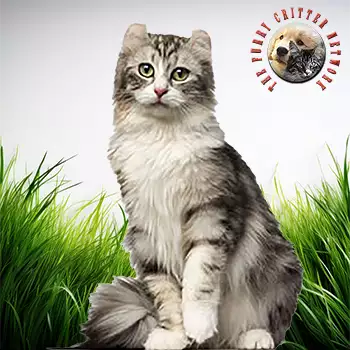
Cats age at different rates depending on breed, genetics, lifestyle, and overall health, but most veterinary professionals consider a cat to have entered the senior stage around ten to twelve years of age. For American Curls, which typically enjoy a lifespan of twelve to sixteen years, the transition into the senior category often occurs gradually, without a single dramatic turning point. This breed's playful, youthful spirit can mask early signs of aging, making attentive observation especially important.

The shift from mature adult to senior is usually marked by subtle changes rather than sudden decline. You may notice that your Curl sleeps a little more, plays a little less intensely, or takes longer to settle into a comfortable position after jumping down from a favorite perch. These small shifts are normal parts of aging, but they also serve as reminders to adjust care routines to meet evolving needs.

Once your American Curl reaches the senior threshold, your veterinarian may recommend transitioning from annual to semi-annual wellness exams. More frequent check-ups allow for earlier detection of age-related conditions such as kidney disease, hyperthyroidism, diabetes, and dental deterioration. Establishing new baselines through blood work and other diagnostics at the start of the senior years gives your veterinary team a reference point for tracking changes over time.

It is important to approach the senior years with a mindset of proactive support rather than passive acceptance. While aging is inevitable, many of the conditions associated with advancing age can be managed effectively when caught early, preserving quality of life and extending the comfortable years.

Mobility & Joint Health

Arthritis and joint stiffness are among the most common conditions affecting senior cats, and they are significantly underdiagnosed because cats instinctively hide pain and adjust their behavior to compensate. An American Curl that once leaped effortlessly onto high shelves may begin choosing lower resting spots, hesitating before jumping, or moving with a slightly stiffer gait after periods of rest. These behavioral adaptations are often the only visible evidence of joint discomfort.

Making environmental modifications can dramatically improve a senior cat's comfort and independence. Provide steps, ramps, or low platforms that allow your Curl to access favorite elevated spots without the stress of a full jump. Ensure that litter boxes have low entry sides so the cat can step in and out without straining stiff joints. Place food, water, and bedding on the main living level to minimize the need for stair climbing.

Orthopedic or heated beds offer soothing support for aging joints and muscles. Many senior cats gravitate toward warm spots, and a gently heated bed can provide relief from stiffness, especially in cooler months. Soft, supportive bedding placed in quiet, easily accessible locations encourages rest and recovery.

If you suspect your American Curl is experiencing joint discomfort, discuss the situation with your veterinarian. There are a variety of management options available, including joint supplements, anti-inflammatory medications, weight management strategies, and even physical therapy or acupuncture. Your veterinarian can develop a multimodal pain management plan tailored to your cat's specific needs and health profile.

Cognitive Changes

Cognitive dysfunction syndrome, sometimes referred to as feline dementia, can affect senior cats in ways that parallel Alzheimer's disease in humans. Symptoms may include disorientation, confusion, changes in sleep-wake cycles, increased vocalization especially at night, apparent loss of previously learned behaviors, and altered interactions with family members. The onset is typically gradual, and early signs can be easy to dismiss as simple quirks of aging.

American Curls are intelligent and socially engaged cats, so changes in cognitive function may be particularly noticeable in this breed. A Curl that has always greeted you at the door may begin staring blankly at walls or wandering aimlessly. Nighttime yowling, which is one of the most commonly reported symptoms of cognitive decline in cats, can be distressing for both the cat and the household.

Maintaining mental stimulation through gentle play, novel scent experiences, and low-key social interaction can help slow cognitive decline. Keep the home environment consistent and predictable, as disoriented cats can become anxious when furniture is rearranged or routines are disrupted. Night lights placed in hallways and near litter boxes can help a confused senior cat navigate the home during the dark hours.

If you observe signs of cognitive dysfunction, bring them to your veterinarian's attention. While there is no cure, certain dietary modifications, supplements, and environmental strategies have shown promise in supporting brain health and slowing the progression of symptoms. Ruling out other medical causes of behavioral change, such as pain, hyperthyroidism, or hypertension, is also an important step.

Nutrition for Aging

The nutritional needs of a senior American Curl differ from those of a younger adult. Metabolism slows with age, and caloric requirements typically decrease, meaning that continuing to feed the same volume and type of food can lead to unwanted weight gain. Conversely, some senior cats lose weight due to declining appetite, dental pain, or chronic illness, and they may need calorie-dense foods or appetite-stimulating strategies.

Senior-formulated cat foods are designed to address the changing needs of aging felines. These diets often feature moderate protein levels from highly digestible sources, controlled phosphorus to support kidney health, increased levels of antioxidants to combat cellular aging, and added fiber for digestive regularity. Your veterinarian can recommend a diet tailored to your cat's specific health status, whether that involves weight management, renal support, or enhanced caloric density.

Hydration becomes even more critical in the senior years, as kidney function gradually declines in most aging cats. Incorporating wet food into the diet, offering multiple water stations, and using water fountains are all effective ways to boost fluid intake. Some owners add a small amount of warm water or low-sodium broth to dry food to increase moisture content and enhance palatability for cats with diminished appetite or sense of smell.

Monitor your senior Curl's weight and body condition at home between veterinary visits. Sudden weight loss or gain, changes in appetite, vomiting, diarrhea, or increased thirst and urination are all signals that warrant a veterinary consultation. Nutritional management is a powerful tool for supporting quality of life in senior cats, and it works best when guided by regular professional assessment.

Increased Veterinary Care

As your American Curl enters the senior years, the scope and frequency of veterinary care should expand. Semi-annual wellness exams become the recommended standard, and these visits typically include more comprehensive diagnostics than the annual check-ups of the adult years. Complete blood counts, serum chemistry panels, thyroid hormone levels, urinalysis, and blood pressure measurement help paint a detailed picture of your cat's internal health.

Kidney disease is one of the most common conditions in aging cats, and early detection through routine blood work and urinalysis can make a significant difference in management and outcomes. Similarly, hyperthyroidism, which is caused by an overactive thyroid gland, is highly prevalent in older cats and is usually very manageable when diagnosed early. Diabetes, heart disease, and various cancers also become more likely with advancing age, making regular screening all the more valuable.

Dental health often deteriorates in senior cats, and painful dental conditions can significantly impact eating habits, weight, and overall quality of life. Your veterinarian may recommend professional dental cleanings under anesthesia, tooth extractions, or other dental procedures. While anesthesia carries slightly higher risk in older patients, modern veterinary anesthesia protocols are very safe, and the benefits of addressing dental pain typically far outweigh the risks.

Keep a journal of any changes you observe at home, no matter how minor they may seem. Notes about appetite, water intake, litter box habits, activity levels, sleep patterns, and behavior provide your veterinarian with invaluable context that complements clinical findings. You are the expert on your cat's daily life, and your observations are a critical part of the healthcare team.

Quality of Life Assessment

As your American Curl moves deeper into the senior and geriatric years, regularly assessing quality of life becomes an essential responsibility. Quality of life is not determined by a single factor but by a holistic evaluation of physical comfort, emotional well-being, daily function, and the cat's ability to experience pleasure and engagement. A cat that still purrs when petted, seeks out sunbeams, and shows interest in its surroundings is communicating that life remains meaningful.

Several structured quality-of-life scales are available that evaluate factors such as pain level, appetite, hydration, hygiene, mobility, happiness, and the ratio of good days to bad days. These tools can provide a helpful framework for what is often an emotionally difficult assessment. Your veterinarian can walk you through one of these scales and help you interpret the results in the context of your individual cat's situation.

Adapting the home environment to your senior Curl's changing abilities is an ongoing process. What worked at age twelve may need refinement at age fifteen. Continue to make adjustments that prioritize comfort, safety, and ease of access. Soft lighting, non-slip surfaces, easily reachable resources, and warm resting spots all contribute to a supportive environment for an aging cat.

Above all, cherish the quiet companionship that the senior years bring. American Curls are deeply bonded to their families, and your presence, voice, and gentle touch are among the most powerful comforts you can offer. The pace of life may slow, but the depth of connection often deepens. Being fully present with your senior Curl, attentive to its needs and responsive to its signals, is the greatest gift you can give during this chapter of your life together.

Always consult a qualified professional before making any health-related decisions. This content is provided for informational reference only and should not replace professional guidance specific to your animal.