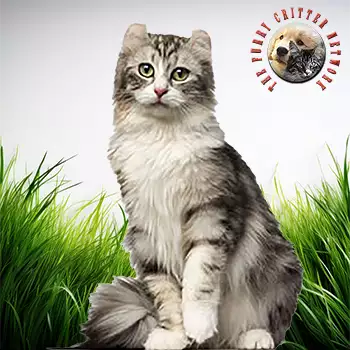

Breeding American Curls responsibly requires thorough preparation, deep breed knowledge, and a genuine commitment to the health and welfare of every cat involved. Before considering a breeding program, prospective breeders should spend considerable time studying the breed standard, understanding the genetics behind the curled ear trait, and building relationships with experienced mentors in the American Curl breeding community. Breeding is not a casual undertaking, and it carries significant financial, emotional, and ethical responsibilities.
The curled ear gene in American Curls is inherited as an autosomal dominant trait, meaning that only one copy of the gene is needed to produce the characteristic ear curl. Importantly, unlike some other ear-related mutations in cats, the American Curl gene is not associated with cartilage or skeletal defects when bred responsibly. However, breeding two curled-ear cats together can produce kittens with varying degrees of curl, and understanding the inheritance patterns is essential for making informed pairing decisions.
Both the queen and the stud should undergo comprehensive health screening before being considered for breeding. This includes testing for feline leukemia virus, feline immunodeficiency virus, and other infectious diseases, as well as a thorough physical examination, dental check, and evaluation of overall body condition. Cats that carry genetic health conditions, have chronic illness, or display poor temperament should not be bred. The goal of any ethical breeding program is to improve the breed and produce healthy, well-adjusted kittens.
Female American Curls should not be bred before they have reached full physical maturity, which typically occurs around eighteen months to two years of age. Breeding a queen that is too young can compromise her health and the health of her kittens. Similarly, males should be fully mature and in excellent health before being used at stud.