
Growth & Physical Development

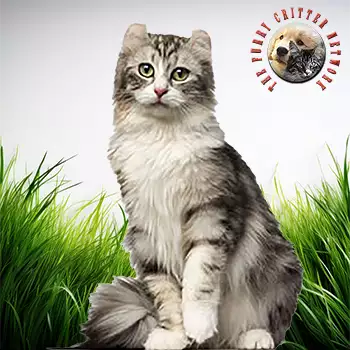
The juvenile period for American Curls spans roughly from three months to about one year of age, during which the kitten undergoes remarkable physical transformation. By three months, the distinctive curled ears have usually begun to settle into their permanent shape, though the degree of curl may continue to refine subtly until around sixteen weeks. The cartilage that gives the ears their unique backward arc firms up during this window, and breeders often evaluate ear quality at this stage to determine show potential.

Growth during the juvenile phase is rapid but not as explosive as the first few weeks of life. American Curls are a medium-sized breed, and most individuals will reach close to their adult length by eight to ten months, though they may continue to fill out and add muscle mass until they are roughly two years old. Males tend to be slightly larger than females, typically settling between seven and ten pounds while females range from five to eight pounds.

Regular weight monitoring remains valuable during this stage, though weekly rather than daily weigh-ins are usually sufficient. Growth should be steady and proportional. A kitten that suddenly stops gaining weight, gains excessively, or develops a potbellied appearance despite adequate nutrition should be evaluated by a veterinarian to rule out parasites, metabolic issues, or dietary imbalances.

Nutrition & Diet Transition

Juvenile American Curls have high caloric and protein requirements to fuel their rapid growth and boundless energy. A high-quality kitten formula food should remain the foundation of the diet throughout the first year of life. Kitten-specific diets are formulated with higher levels of protein, fat, and essential nutrients like calcium and phosphorus that support skeletal development, muscle growth, and organ maturation.

The transition from kitten food to adult food should not be rushed. Most veterinary nutritionists recommend keeping American Curls on kitten formula until they are at least twelve months old, as switching too early can deprive a still-growing cat of nutrients it needs. When the time comes to transition, do so gradually over seven to ten days, mixing increasing proportions of adult food with decreasing amounts of kitten food to minimize digestive upset.

Free feeding, or leaving food available at all times, works well for many kittens during this active growth phase because their metabolism is fast and their energy demands are high. However, if a kitten begins to gain weight disproportionately, switching to measured meals two or three times daily may be more appropriate. Fresh water should always be available, and many cats prefer a flowing water fountain, which can encourage better hydration habits that benefit urinary tract health throughout life.

Treats should make up no more than ten percent of the daily caloric intake. Avoid feeding table scraps, raw meat, or any foods known to be toxic to cats, including onions, garlic, grapes, chocolate, and anything containing xylitol. If you want to offer treats, choose options specifically formulated for kittens.

Behavioral Changes

Adolescence brings a surge of energy, confidence, and independence that can catch even experienced cat owners off guard. American Curls retain a kitten-like playfulness well into adulthood, and during the juvenile months this trait is amplified to its peak. Expect intense play sessions, acrobatic leaps, and a seemingly inexhaustible drive to explore every corner of the home. This breed is known for its curiosity and will investigate open cabinets, unattended bags, and any new object introduced to the environment.

Some juvenile cats go through a testing phase where they push boundaries, much like a human teenager. A previously well-behaved kitten may begin scratching furniture, jumping on counters, or engaging in rough play. These behaviors are normal developmental expressions rather than signs of a bad temperament. Responding with patience, redirection, and positive reinforcement is far more effective than punishment, which can damage the bond of trust you are building.

American Curls are notably social and tend to form strong attachments to their human family members. During adolescence, they may become particularly demanding of attention, following you from room to room and inserting themselves into whatever activity you are engaged in. This sociability is one of the breed's most endearing qualities, but it also means that prolonged isolation or lack of interactive play can lead to boredom-driven mischief. Providing enrichment through puzzle feeders, climbing structures, and regular play sessions helps channel that energy constructively.

Training Priorities

The juvenile period is an ideal time to establish household routines and expectations that will carry into adulthood. American Curls are intelligent and responsive cats, and they take well to positive reinforcement training. Start with the basics: consistent litter box habits, appropriate scratching surfaces, and responding to their name. Reward desired behaviors with small treats, praise, or a brief play session to reinforce the connection between good behavior and positive outcomes.

Litter box training is usually well established by the time a kitten reaches the juvenile stage, but occasional accidents can happen, especially if the box is not kept clean or if its location is inconvenient. Provide at least one litter box per cat plus one extra, keep them scooped daily, and place them in quiet, accessible locations. If a previously reliable kitten begins eliminating outside the box, consult your veterinarian to rule out urinary tract or gastrointestinal issues before assuming a behavioral cause.

Scratching is a natural and necessary behavior for cats, serving to maintain claw health, stretch muscles, and mark territory. Rather than trying to stop scratching entirely, redirect it to appropriate surfaces. Provide a variety of scratching posts and pads in different orientations and materials, and place them near areas where the kitten tends to scratch. Rewarding the kitten when it uses the correct surface and gently redirecting it when it targets furniture builds lasting good habits.

Many American Curls can be taught additional skills such as sitting on cue, coming when called, and even walking on a harness and leash. Keep training sessions short, upbeat, and consistent. This breed responds best to gentle encouragement and will shut down if handled roughly or scolded.

Exercise & Activity

Juvenile American Curls have abundant energy and require ample opportunities for physical activity and mental stimulation. Interactive play sessions lasting fifteen to twenty minutes, at least twice daily, are essential for burning off excess energy and strengthening the bond between cat and owner. Wand toys, feather teasers, and laser pointers used responsibly are all excellent choices for engaging a young cat's prey drive in a safe and satisfying way.

Vertical space is particularly important for this agile and curious breed. Cat trees, wall-mounted shelves, and window perches provide climbing opportunities that satisfy the instinct to survey the environment from an elevated vantage point. A well-placed cat tree near a window allows the kitten to watch birds and outdoor activity, providing hours of passive entertainment in addition to active climbing.

Puzzle feeders and food-dispensing toys add a mental component to mealtime, slowing down fast eaters and encouraging problem-solving skills. Rotating toys every few days keeps the environment novel and prevents boredom. An under-stimulated juvenile cat is far more likely to develop destructive habits such as chewing cords, knocking items off shelves, or engaging in excessive midnight zoomies.

If you are considering leash training, the juvenile period is the best time to introduce a harness. Start by letting the kitten wear the harness indoors for short periods, rewarding calmness and normal movement. Gradually add the leash and then move to supervised outdoor exploration in a safe, enclosed area. Not every cat takes to leash walking, but American Curls, with their adventurous spirit, are among the breeds most likely to enjoy it.

Spay & Neuter Considerations

The decision of when to spay or neuter an American Curl should be made in consultation with your veterinarian, taking into account the individual kitten's health, development, and your specific circumstances. Many veterinarians recommend the procedure between four and six months of age, before the onset of sexual maturity. Early spaying or neutering can prevent unwanted behaviors such as spraying, roaming, and yowling, and it eliminates the risk of certain reproductive cancers and infections.

Some breeders and veterinarians advocate waiting until the cat is closer to physical maturity, around eight to twelve months, particularly for males. The reasoning is that allowing additional time for growth hormone exposure may support fuller skeletal and muscular development. There is ongoing discussion within the veterinary community about optimal timing, and the best choice depends on the individual animal and the guidance of a trusted veterinarian.

After the procedure, most cats recover quickly with appropriate rest and monitoring. Follow your veterinarian's postoperative instructions carefully, which typically include limiting activity for several days, preventing the cat from licking or chewing at the incision site, and watching for signs of infection or complications. A recovery cone or surgical suit may be recommended to protect the incision. Most cats return to their normal playful selves within a week.

It is worth noting that metabolism often shifts after spaying or neutering, and caloric needs may decrease. Monitor your cat's weight in the weeks and months following the procedure, and adjust food portions as needed to prevent unhealthy weight gain.

Socialization & Exposure

Although the most sensitive socialization window closes around seven weeks of age, continued positive exposure during the juvenile months is essential for producing a confident, well-adjusted adult cat. American Curls are naturally outgoing, but even a friendly breed can develop anxieties or aversions if not exposed to a reasonable variety of people, environments, and experiences during this formative period.

Introduce the kitten to visitors of different ages, appearances, and energy levels. Supervise interactions to ensure they remain positive, and provide the kitten with an escape route to a safe space if it becomes overwhelmed. Gentle handling by children, under adult supervision, helps the kitten build tolerance and trust. Exposure to common household sounds such as vacuum cleaners, doorbells, and kitchen appliances reduces the likelihood of noise phobias developing later.

If your household includes other pets, continue supervised introductions and positive associations throughout the juvenile period. American Curls generally get along well with other cats and with cat-friendly dogs, but relationships between animals take time to develop. Allow each animal to set its own pace, and never force interactions. Positive parallel experiences, such as feeding pets in the same room at a comfortable distance, build familiarity and reduce tension.

Carrier training is another valuable form of socialization that is often overlooked. A kitten that is comfortable entering and resting in a carrier will experience far less stress during veterinary visits, travel, and emergencies. Leave the carrier out as a familiar piece of furniture, place treats and bedding inside, and allow the kitten to explore it voluntarily.

Always consult a qualified professional before making any health-related decisions. This content is provided for informational reference only and should not replace professional guidance specific to your animal.