
Nutritional Needs

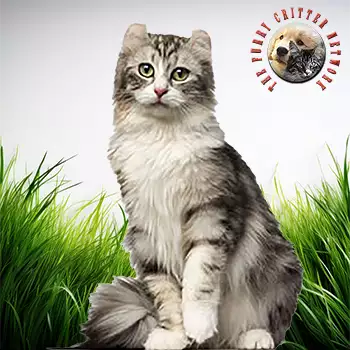
The American Curl is a moderately active breed with a lean, well-proportioned build that typically weighs between five and ten pounds. Because of their relatively small frame and playful disposition, they require a diet that delivers high-quality animal protein as the primary macronutrient. Protein supports lean muscle maintenance, healthy coat texture, and the sustained energy these curious cats expend throughout the day.

Fat content is equally important for American Curls, particularly omega-3 and omega-6 fatty acids that promote skin health and help maintain the silky texture of their coat, whether short or long. A diet with moderate fat levels — generally between twelve and eighteen percent on a dry-matter basis — provides adequate caloric density without pushing this smaller breed toward unhealthy weight gain.

Carbohydrates should play a supporting role rather than a dominant one. Cats are obligate carnivores, and the American Curl is no exception. Look for foods that derive the bulk of their calories from animal sources rather than grain or starch fillers. Taurine, an essential amino acid that cats cannot synthesize on their own, must be present in adequate amounts to support cardiac function, vision, and reproductive health.

Hydration is a nutritional consideration that often gets overlooked. American Curls, like most cats, have a naturally low thirst drive inherited from their desert-dwelling ancestors. Incorporating moisture-rich food options into their diet can help support kidney and urinary tract health over the long term.

What to Look For

When evaluating cat food for an American Curl, start with the ingredient list. A named animal protein — such as chicken, turkey, salmon, or duck — should appear as the first ingredient. Avoid products that list vague terms like "meat meal" or "animal by-products" without specifying the source, as these can vary widely in quality and digestibility.

The guaranteed analysis panel provides a snapshot of the food's macronutrient profile. For adult American Curls, look for a minimum crude protein of thirty percent and a minimum crude fat of twelve percent on a dry-matter basis. Fiber content should be moderate, generally between two and five percent, to support healthy digestion without displacing more nutrient-dense ingredients.

Artificial preservatives, colors, and flavors are unnecessary additions that offer no nutritional benefit. Many higher-quality cat foods use natural preservatives like mixed tocopherols or rosemary extract instead. Similarly, watch for excessive use of carrageenan or other thickeners in wet foods, as some cats may be sensitive to these additives.

Life-stage labeling matters. Kittens, adults, and seniors have different caloric and nutrient requirements. An American Curl kitten needs higher calorie density and more protein for growth, while a senior may benefit from joint-supporting nutrients and slightly reduced caloric intake. Foods labeled "all life stages" must meet the more demanding kitten nutritional standards, which can lead to overfeeding in less active adults.

Recommended Dry Food

Dry kibble remains a convenient and cost-effective staple for many American Curl owners. The best dry foods for this breed feature a high proportion of animal-based protein, limited filler grains, and a kibble size appropriate for a medium-small cat's jaw. Some American Curls prefer smaller kibble pieces that are easier to crunch, while others do well with standard-sized options.

Grain-free formulas have gained popularity, but they are not inherently superior to grain-inclusive options for every cat. Some American Curls digest rice or oats without issue, and these ingredients can provide useful fiber and energy. The key distinction is whether the food relies on grains as a cheap protein substitute or uses them as a complementary carbohydrate source alongside substantial animal protein.

Look for dry foods that incorporate added probiotics or prebiotic fiber to support digestive health. American Curls are generally not known for sensitive stomachs, but a well-balanced gut microbiome contributes to better nutrient absorption, firmer stools, and overall immune function. Foods that include dried chicory root, beet pulp, or similar prebiotic ingredients can offer these benefits.

Storage matters more than many owners realize. Dry kibble begins to oxidize once the bag is opened, degrading fats and reducing the potency of added vitamins. Transfer kibble to an airtight container and store it in a cool, dry location away from direct sunlight. Most bags include a best-by date, but once opened, aim to use the contents within four to six weeks for optimal freshness.

Wet & Fresh Options

Wet food is an excellent addition to an American Curl's diet, primarily because of its high moisture content. Canned, pouched, or fresh-prepared foods typically contain seventy to eighty percent water, which significantly boosts daily fluid intake. This is particularly beneficial for cats that are reluctant drinkers or those with a history of urinary issues.

Pâté, shredded, and chunk-in-gravy are the most common wet food textures. American Curls tend to be adaptable eaters, but individual preferences vary. Some cats prefer the smooth consistency of pâté, while others are more enthusiastic about shredded textures that mimic the mouthfeel of whole prey. Offering a rotation of textures can help identify your cat's preference and prevent mealtime boredom.

Fresh and refrigerated cat food options have expanded considerably in recent years. These products are minimally processed and often feature whole-food ingredients that are gently cooked to preserve nutrients. They tend to be more expensive per serving than traditional canned food, but many owners find the ingredient transparency and palatability worth the premium.

When feeding wet food, discard any uneaten portion after two hours at room temperature to prevent bacterial growth. Opened cans or pouches should be covered and refrigerated, then used within two to three days. Some cats dislike cold food straight from the refrigerator — warming it briefly to room temperature or adding a small amount of warm water can make it more appealing.

Treats & Supplements

Treats serve a valuable role in bonding, training, and enrichment, but they should not exceed ten percent of an American Curl's total daily caloric intake. This breed's smaller frame means excess treat calories can accumulate quickly, leading to gradual weight gain that stresses joints and organs over time.

Freeze-dried single-protein treats are among the healthiest options available. Made from pure chicken, fish, or liver with no additives, they deliver high palatability with minimal caloric impact. These treats also double as food toppers for cats that need a little extra encouragement at mealtime. Dental treats designed to reduce tartar buildup can provide a functional benefit beyond simple reward.

Supplements should generally be unnecessary if your American Curl is eating a complete and balanced diet. However, there are situations where targeted supplementation makes sense. Omega-3 fatty acid supplements derived from fish oil can support coat luster and skin health, particularly for long-haired American Curls. Probiotic supplements may help cats transitioning between foods or recovering from digestive upset.

Always consult a veterinarian before adding supplements to your cat's regimen. Over-supplementation of certain vitamins and minerals — particularly fat-soluble vitamins like A and D — can cause toxicity. A vet can assess your cat's specific needs based on bloodwork, diet analysis, and overall health status.

Foods to Avoid

Several common human foods are toxic to cats and should never be offered to an American Curl. Onions, garlic, chives, and leeks — all members of the allium family — can damage red blood cells and cause hemolytic anemia even in small quantities. This applies to raw, cooked, and powdered forms, so be cautious with table scraps that may contain these ingredients in sauces or seasonings.

Chocolate and caffeine contain methylxanthines that cats metabolize very slowly, making even small amounts potentially dangerous. Dark chocolate and baking chocolate carry the highest risk, but all forms should be kept well out of reach. Grapes, raisins, and currants are also toxic to cats and can cause acute kidney failure, though the exact mechanism is not fully understood.

Raw eggs, raw fish, and raw meat carry the risk of bacterial contamination from salmonella or E. coli. While some owners advocate for raw feeding, it requires meticulous handling, sourcing, and nutritional balancing that goes well beyond simply offering uncooked meat. Raw fish also contains thiaminase, an enzyme that destroys thiamine (vitamin B1), and prolonged feeding can lead to neurological problems.

Dairy products are poorly tolerated by most adult cats, including American Curls. After weaning, cats typically lose the ability to produce sufficient lactase to digest lactose, making milk, cheese, and cream likely to cause digestive upset. Small amounts of plain yogurt or lactose-free dairy products are generally better tolerated but still offer limited nutritional value for cats.

Feeding Schedule

Establishing a consistent feeding schedule helps regulate an American Curl's metabolism, supports healthy digestion, and makes it easier to monitor appetite changes that could signal health issues. Most adult American Curls do well with two measured meals per day — one in the morning and one in the evening — spaced roughly twelve hours apart.

Free-feeding, or leaving dry food available at all times, can work for some cats that naturally self-regulate their intake. However, many American Curls will overeat when given unlimited access to food, particularly if they are indoor-only and less active. Measured meals give you better control over caloric intake and make it easier to detect when a cat is eating more or less than usual.

Kittens require more frequent feeding due to their higher metabolic rate and smaller stomach capacity. American Curl kittens up to six months old generally need three to four small meals per day. Between six and twelve months, this can be gradually reduced to two meals daily. Always follow the feeding guidelines on the food packaging as a starting point, then adjust based on your kitten's growth rate and body condition.

Portion size depends on your cat's weight, age, activity level, and the caloric density of the food. Most cat food labels provide feeding recommendations by weight, but these are general guidelines. Use body condition scoring — you should be able to feel your cat's ribs without pressing hard, and they should have a visible waist when viewed from above — to fine-tune portions over time. Regular weigh-ins at home or during vet visits help track trends before they become problems.

Always consult a qualified professional before making any health-related decisions. This content is provided for informational reference only and should not replace professional guidance specific to your animal.