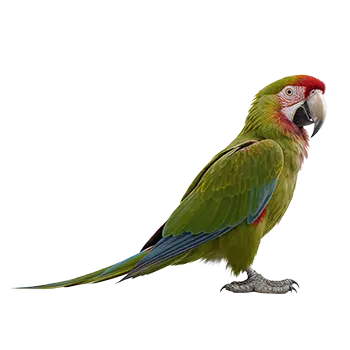
Red-Fronted Macaws can be hardy, long-lived birds when provided with proper species-appropriate care, though their relatively limited presence in captivity means less is known about their long-term health compared to more common macaw species. Available information suggests they can live 25-50 years or more in captivity with excellent care, though precise longevity data is limited due to the small captive population and relatively recent establishment of the species in aviculture. As with all macaws, they are susceptible to several health conditions requiring vigilant monitoring and proactive preventive care.
Proventricular Dilatation Disease (PDD), also known as Macaw Wasting Syndrome, is a serious viral disease affecting macaws and other parrots, causing neurological symptoms, gastrointestinal problems including undigested food in droppings, progressive weight loss, and often death. While treatment may help manage symptoms in some cases, there is no cure, making prevention through biosecurity and avoiding exposure to infected birds absolutely critical for this endangered species. Psittacosis, caused by the bacterium Chlamydia psittaci, can affect Red-Fronted Macaws and presents with respiratory symptoms including difficulty breathing, nasal discharge, lethargy, lime-green urates in droppings, and general illness requiring immediate veterinary intervention with appropriate antibiotic therapy. Aspergillosis, a fungal respiratory infection caused by inhaling Aspergillus spores from moldy food, damp bedding, or environments with poor air quality and inadequate ventilation, is particularly dangerous in macaws and can be difficult to diagnose early, often requiring months of systemic antifungal medication. Feather plucking and self-mutilation occur frequently in Red-Fronted Macaws kept in isolation without adequate social companionship, representing complex problems with medical, nutritional, environmental, and profound psychological components requiring comprehensive evaluation and often cannot be completely resolved even with extensive intervention. Psittacine Beak and Feather Disease (PBFD), caused by circovirus, affects macaws and causes progressive feather abnormalities, beak deformities, and immune system compromise without effective cure or treatment. Obesity can develop in captive Red-Fronted Macaws with insufficient flight exercise or consuming excessive high-fat foods including too many nuts and seeds. Calcium deficiency and vitamin D3 deficiency can occur in birds without access to natural sunlight or full-spectrum UV lighting, causing metabolic bone disease, weakness, tremors, and seizures.
Preventive care forms the essential foundation for maintaining health in Red-Fronted Macaws throughout their lives. Regular veterinary checkups with experienced avian veterinarians should occur at minimum annually for comprehensive wellness examinations including thorough physical examination, weight monitoring, body condition assessment, and potentially blood work screening for complete blood count, chemistry panel, and early disease detection before clinical symptoms develop. Proper diet and nutrition is absolutely critical, with varied diets based primarily on high-quality pellets formulated for medium to large parrots, abundant fresh vegetables, limited fruits, and minimal nuts and seeds, preventing obesity and nutritional deficiencies that commonly develop on seed-based diets. Environmental enrichment through extensive diverse toys, daily foraging opportunities requiring problem-solving, substantial flight exercise in large spaces, and most critically for this species, adequate social companionship either through another compatible Red-Fronted Macaw or extraordinary amounts of human interaction prevents stress-related conditions including feather plucking, excessive vocalization, and self-destructive behaviors. Cage cleanliness and regular thorough sanitization of all food bowls, water dishes, perches, toys, and cage surfaces prevents bacterial and fungal growth that could compromise respiratory and digestive system health. UV lighting through full-spectrum avian lighting fixtures providing both UVA and UVB wavelengths or supervised outdoor exposure in safe, appropriate conditions enables natural vitamin D3 synthesis essential for calcium metabolism and overall health. Annual wellness exams even for apparently healthy birds allow veterinarians to detect subtle changes in weight, body condition, feather quality, and behavior that may indicate developing problems before they become serious, significantly improving treatment outcomes.
Given the Red-Fronted Macaw's endangered status, maintaining optimal health in captive birds takes on additional importance as these individuals may contribute to conservation through managed breeding programs. Owners of this rare species bear special responsibility for providing exemplary care that maximizes health and longevity. With consistent expert-level care including species-appropriate diet, extensive exercise, mental stimulation, critical social companionship, proper housing, UV exposure, and regular veterinary oversight, Red-Fronted Macaws can thrive in captivity for decades.
Red-Fronted Macaws can be hardy, long-lived birds when provided with proper species-appropriate care, though their relatively limited presence in captivity means less is known about their long-term health compared to more common macaw species. Available information suggests they can live 25-50 years or more in captivity with excellent care, though precise longevity data is limited due to the small captive population and relatively recent establishment of the species in aviculture. As with all macaws, they are susceptible to several health conditions requiring vigilant monitoring and proactive preventive care.
Proventricular Dilatation Disease (PDD), also known as Macaw Wasting Syndrome, is a serious viral disease affecting macaws and other parrots, causing neurological symptoms, gastrointestinal problems including undigested food in droppings, progressive weight loss, and often death. While treatment may help manage symptoms in some cases, there is no cure, making prevention through biosecurity and avoiding exposure to infected birds absolutely critical for this endangered species. Psittacosis, caused by the bacterium Chlamydia psittaci, can affect Red-Fronted Macaws and presents with respiratory symptoms including difficulty breathing, nasal discharge, lethargy, lime-green urates in droppings, and general illness requiring immediate veterinary intervention with appropriate antibiotic therapy. Aspergillosis, a fungal respiratory infection caused by inhaling Aspergillus spores from moldy food, damp bedding, or environments with poor air quality and inadequate ventilation, is particularly dangerous in macaws and can be difficult to diagnose early, often requiring months of systemic antifungal medication. Feather plucking and self-mutilation occur frequently in Red-Fronted Macaws kept in isolation without adequate social companionship, representing complex problems with medical, nutritional, environmental, and profound psychological components requiring comprehensive evaluation and often cannot be completely resolved even with extensive intervention. Psittacine Beak and Feather Disease (PBFD), caused by circovirus, affects macaws and causes progressive feather abnormalities, beak deformities, and immune system compromise without effective cure or treatment. Obesity can develop in captive Red-Fronted Macaws with insufficient flight exercise or consuming excessive high-fat foods including too many nuts and seeds. Calcium deficiency and vitamin D3 deficiency can occur in birds without access to natural sunlight or full-spectrum UV lighting, causing metabolic bone disease, weakness, tremors, and seizures.
Preventive care forms the essential foundation for maintaining health in Red-Fronted Macaws throughout their lives. Regular veterinary checkups with experienced avian veterinarians should occur at minimum annually for comprehensive wellness examinations including thorough physical examination, weight monitoring, body condition assessment, and potentially blood work screening for complete blood count, chemistry panel, and early disease detection before clinical symptoms develop. Proper diet and nutrition is absolutely critical, with varied diets based primarily on high-quality pellets formulated for medium to large parrots, abundant fresh vegetables, limited fruits, and minimal nuts and seeds, preventing obesity and nutritional deficiencies that commonly develop on seed-based diets. Environmental enrichment through extensive diverse toys, daily foraging opportunities requiring problem-solving, substantial flight exercise in large spaces, and most critically for this species, adequate social companionship either through another compatible Red-Fronted Macaw or extraordinary amounts of human interaction prevents stress-related conditions including feather plucking, excessive vocalization, and self-destructive behaviors. Cage cleanliness and regular thorough sanitization of all food bowls, water dishes, perches, toys, and cage surfaces prevents bacterial and fungal growth that could compromise respiratory and digestive system health. UV lighting through full-spectrum avian lighting fixtures providing both UVA and UVB wavelengths or supervised outdoor exposure in safe, appropriate conditions enables natural vitamin D3 synthesis essential for calcium metabolism and overall health. Annual wellness exams even for apparently healthy birds allow veterinarians to detect subtle changes in weight, body condition, feather quality, and behavior that may indicate developing problems before they become serious, significantly improving treatment outcomes.
Given the Red-Fronted Macaw's endangered status, maintaining optimal health in captive birds takes on additional importance as these individuals may contribute to conservation through managed breeding programs. Owners of this rare species bear special responsibility for providing exemplary care that maximizes health and longevity. With consistent expert-level care including species-appropriate diet, extensive exercise, mental stimulation, critical social companionship, proper housing, UV exposure, and regular veterinary oversight, Red-Fronted Macaws can thrive in captivity for decades.
Common Health Issues
- Psittacosis, caused by the bacterium Chlamydia psittaci - Can affect Red-Fronted Macaws and presents with respiratory symptoms including difficulty breathing, nasal discharge, lethargy, lime-green urates in droppings, and general illness requiring immediate veterinary intervention with appropriate antibiotic therapy.
- Aspergillosis, a fungal respiratory infection caused by inhaling Aspergillus spores from moldy food - Damp bedding, or environments with poor air quality and inadequate ventilation, is particularly dangerous in macaws and can be difficult to diagnose early, often requiring months of systemic antifungal medication.
- Feather plucking and self-mutilation occur frequently in Red-Fronted Macaws kept in isolation without adequate social companionship - Representing complex problems with medical, nutritional, environmental, and profound psychological components requiring comprehensive evaluation and often cannot be completely resolved even with extensive intervention.
- Psittacine Beak and Feather Disease - PBFD, , caused by circovirus, affects macaws and causes progressive feather abnormalities, beak deformities, and immune system compromise without effective cure or treatment.
- Cage cleanliness and regular thorough sanitization of all food bowls - Water dishes, perches, toys, and cage surfaces prevents bacterial and fungal growth that could compromise respiratory and digestive system health.
Preventive Care & Health Monitoring
- Feather plucking and self-mutilation occur frequently in Red-Fronted Macaws kept in isolation without adequate social companionship - Representing complex problems with medical, nutritional, environmental, and profound psychological components requiring comprehensive evaluation and often cannot be completely resolved even with extensive intervention.
- Calcium deficiency and vitamin D3 deficiency can occur in birds without access to natural sunlight or full-spectrum UV lighting - Causing metabolic bone disease, weakness, tremors, and seizures.
- Regular veterinary checkups with experienced avian veterinarians should occur at minimum annually for comprehensive wellness examinations including thorough physical examination - Weight monitoring, body condition assessment, and potentially blood work screening for complete blood count, chemistry panel, and early disease detection before clinical symptoms develop.
- Proper diet and nutrition is absolutely critical - With varied diets based primarily on high-quality pellets formulated for medium to large parrots, abundant fresh vegetables, limited fruits, and minimal nuts and seeds, preventing obesity and nutritional deficiencies that commonly develop on seed-based diets.
- Environmental enrichment through extensive diverse toys - Daily foraging opportunities requiring problem-solving, substantial flight exercise in large spaces, and most critically for this species, adequate social companionship either through another compatible Red-Fronted Macaw or extraordinary amounts of human interaction prevents stress-related conditions including feather plucking, excessive vocalization, and self-destructive behaviors.
- Cage cleanliness and regular thorough sanitization of all food bowls - Water dishes, perches, toys, and cage surfaces prevents bacterial and fungal growth that could compromise respiratory and digestive system health.