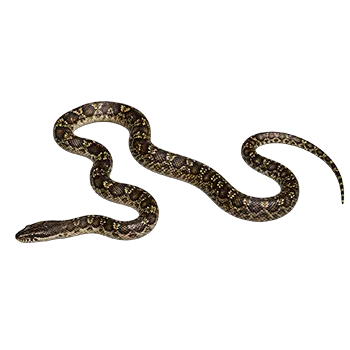

Observing Egg-Eating Snakes in their natural habitats is a rewarding experience for herpetology enthusiasts and wildlife travelers, though it requires an understanding of the species' behavior, activity patterns, and habitat preferences that differs substantially from the approach one might take when seeking larger or more conspicuous African reptiles. Dasypeltis species are primarily nocturnal and crepuscular, spending daylight hours concealed in rock crevices, hollow logs, dense vegetation, or abandoned termite mounds and emerging in the cooler hours of evening and night to search for nesting birds whose eggs they can exploit.
The most productive period for field observation of Egg-Eating Snakes coincides with the local bird breeding season, which varies by region across sub-Saharan Africa but generally peaks during the warmer, wetter months when insect abundance supports the greatest diversity and density of nesting passerines. During these periods, Egg-Eating Snakes are most active and most likely to be encountered as they move between potential nest sites. In southern Africa, this peak activity window typically falls between October and March, while in equatorial regions the timing may be less sharply defined due to more consistent year-round breeding activity among local bird populations.
Night driving on quiet rural roads during the appropriate season is one of the most reliable methods for encountering Dasypeltis in the field. Egg-Eating Snakes, like many other nocturnal snake species, are frequently found crossing roads during their nightly foraging movements, and their slender bodies and distinctive patterning can be spotted in vehicle headlights by experienced observers traveling at moderate speeds. This survey method, commonly known as road cruising within the herping community, is widely practiced across southern and eastern Africa and has contributed significantly to the understanding of Dasypeltis distribution and abundance in many areas.
Searching beneath natural and artificial cover objects during daylight hours offers another productive approach to finding Egg-Eating Snakes, particularly in areas where suitable refugia are concentrated. Rock outcrops, loose bark on standing or fallen trees, abandoned building materials, corrugated metal sheeting, and other debris that provides shelter from heat and predators are all potential resting sites. Careful, methodical turning of cover objects, with attention to replacing them in their original positions afterward to preserve the microhabitat, can reveal resting Dasypeltis along with a diversity of other reptile species.
Field observers should be aware that several Dasypeltis species are accomplished mimics of venomous vipers, adopting similar color patterns, body postures, and even producing rasping sounds by rubbing keeled scales together in a behavior that imitates the defensive display of saw-scaled vipers. While this mimicry is entirely bluff and the Egg-Eating Snake is completely harmless, inexperienced observers may initially mistake a defensive Dasypeltis for a genuinely dangerous species. Learning to distinguish Egg-Eating Snakes from the vipers they mimic is an important field skill that enhances both safety and observation success.