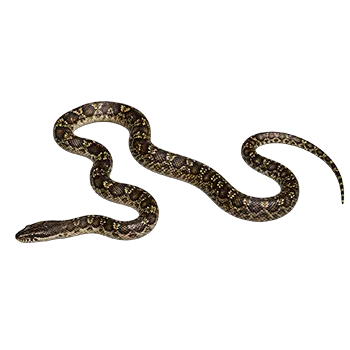

The international trade in Egg-Eating Snakes is governed primarily by the Convention on International Trade in Endangered Species of Wild Fauna and Flora, commonly known as CITES, the multilateral treaty that regulates cross-border movement of wildlife and wildlife products to prevent overexploitation. As of the most recent review of the CITES appendices, Dasypeltis species are not listed on any of the three appendices, meaning that international trade in these snakes does not require CITES permits at the treaty level. This unlisted status reflects the generally stable conservation standing of most Dasypeltis species and the relatively modest volume of international trade compared to more commercially prominent reptile taxa.
The absence of a CITES listing does not, however, mean that international trade in Egg-Eating Snakes is entirely unregulated. Both exporting and importing countries may impose their own national requirements on the movement of live reptiles regardless of CITES status. Many African range states require export permits for any live wildlife leaving the country, and the specific requirements, application processes, and associated fees vary substantially between nations. Prospective exporters and importers must research and comply with the regulations of both the country of origin and the country of destination, as well as any transit countries through which shipments may pass.
The European Union applies its own wildlife trade regulations, which in some cases are more restrictive than CITES requirements. While Dasypeltis is not currently subject to EU-specific trade restrictions beyond standard phytosanitary and animal welfare requirements for live animal imports, the regulatory landscape within Europe is dynamic, and species can be added to EU annexes independently of their CITES status. Importers bringing Egg-Eating Snakes into EU member states must comply with the relevant national implementation of EU wildlife trade regulations, which may include documentation requirements, quarantine protocols, and declarations regarding the captive-bred or wild-caught status of the animals.
In practice, the majority of Egg-Eating Snakes entering international trade today are captive-bred specimens produced by breeders in Europe, North America, and to a lesser extent, South Africa. The shift toward captive-bred animals in the market has been driven by both ethical considerations within the herpetoculture community and the practical advantages of working with animals that are already established feeders and acclimated to captive conditions. This trend has reduced, though not eliminated, the volume of wild-caught Dasypeltis entering international commerce and has simplified the regulatory process for many transactions, as captive-bred animals are generally subject to fewer restrictions than wild-caught specimens in jurisdictions that distinguish between the two.