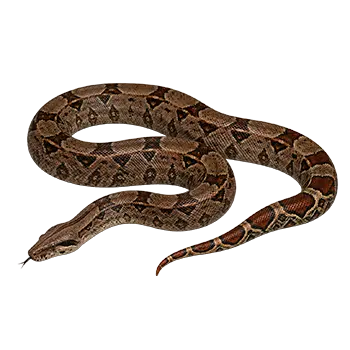

Preparing Your Boa for Transport

Successful transport of a Colombian Red-Tail Boa begins well before the animal is placed in a travel container. Preparation is the single most important factor in ensuring that the journey proceeds safely for both the snake and the keeper, and a systematic approach to pre-travel planning can prevent the vast majority of problems that arise during reptile transport. The goal of preparation is to minimize the physiological stress and physical risk that travel imposes on an ectothermic animal that has evolved for a relatively sedentary lifestyle in a stable tropical environment.

The timing of transport relative to the boa's feeding schedule is a critical consideration. Colombian Red-Tail Boas should not be transported with undigested food in their digestive tract, as the stress of travel can cause regurgitation, which is itself a significant health risk that can lead to esophageal irritation, dehydration, and reluctance to feed afterward. As a general rule, keepers should wait a minimum of four to five days after a meal before transporting a boa, and ideally should plan the transport to fall at the end of the snake's normal feeding cycle, when the digestive tract is empty and the animal is in a metabolically neutral state.

Selecting an appropriate transport container is essential and should be guided by the size of the individual animal, the expected duration of travel, and the environmental conditions that will prevail during the journey. For most Colombian Red-Tail Boas, a sturdy plastic storage container with secure latching mechanisms and ventilation holes drilled through the sides or lid provides an effective and affordable transport solution. The container should be large enough for the snake to coil comfortably but not so spacious that the animal slides and tumbles during vehicle movement. Lining the container with crumpled newspaper, paper towels, or unprinted newsprint provides the snake with a substrate to grip and places to tuck its head, both of which reduce stress during transit.

A pre-transport health assessment is advisable, particularly for longer journeys or for animals that will be away from their home enclosure for an extended period. Keepers should examine the boa for signs of respiratory infection, mite infestation, retained shed, mouth rot, or any other condition that travel stress could exacerbate. A snake that is in active shed should not be transported unless absolutely necessary, as the shedding process is itself a period of vulnerability and visual impairment that adds to the disorientation of travel. If the journey requires crossing into jurisdictions with different regulatory requirements, assembling the necessary permits, health certificates, and proof of legal acquisition before departure prevents delays and potential legal complications en route.

Ground Transportation

Ground transportation by personal vehicle is the most common and generally the most practical method for moving a Colombian Red-Tail Boa. Whether the trip involves a short drive to a veterinary appointment, a journey to a reptile expo, or a cross-country relocation, the principles of safe vehicle transport center on temperature management, secure containment, and minimizing the duration and intensity of stressors that the snake experiences during the trip.

Temperature control is the paramount concern during vehicle transport of any ectothermic animal. Colombian Red-Tail Boas require ambient temperatures within their tolerable range, roughly 75 to 85 degrees Fahrenheit, throughout the journey. In warm weather, a vehicle interior can overheat rapidly when parked in direct sunlight, reaching temperatures that can kill a boa within minutes. Conversely, winter travel exposes the animal to potentially lethal cold if the vehicle heating system fails, if the snake is left in an unheated vehicle during a stop, or if the transport container is placed in a trunk or cargo area without climate control. The transport container should always ride inside the climate-controlled passenger compartment, never in a trunk, truck bed, or external cargo area where temperature extremes are unmitigated.

For cold weather transport, supplemental heat sources can provide a critical safety margin. Chemical hand warmers, available inexpensively at outdoor recreation retailers, produce gentle heat for several hours when activated and can be taped to the outside of a transport container or placed in an outer insulating layer to maintain safe temperatures during brief exposures to cold air, such as the walk from a heated building to a warm vehicle. These warmers should never be placed directly inside the container in contact with the snake, as they can reach surface temperatures high enough to cause thermal burns. Insulating the transport container with towels, blankets, or a commercially available insulated reptile shipping bag adds an additional buffer against temperature fluctuations.

Securing the transport container within the vehicle prevents the dangerous sliding and tumbling that can injure a snake during sudden braking, acceleration, or turns. Placing the container on the floor of the rear seat area, wedged securely between the front and rear seats, is often the most stable position. Seat belts can also be used to restrain a container placed on a seat, though the geometry of vehicle seat belts does not always accommodate the shapes of common transport containers. The container should remain closed and latched throughout the journey, no matter how calm the snake appears. Opening a container during transit introduces escape risk and the potential for the snake to move into areas of the vehicle, such as under seats or within dashboard cavities, from which retrieval can be extremely difficult.

For keepers who ship Colombian Red-Tail Boas via ground courier services, professional reptile shipping practices apply. Specialized reptile shipping companies transport animals using insulated boxes with phase-change heat or cold packs calibrated to maintain appropriate temperatures for the expected transit duration. These shipments typically use overnight or priority services to minimize time in transit, and most reputable shippers guarantee live arrival and monitor weather conditions along the shipping route, delaying shipments when extreme temperatures make safe transit impossible.

Air Travel Regulations & Restrictions

Air travel with a Colombian Red-Tail Boa presents a significantly more complex logistical and regulatory challenge than ground transportation. The overwhelming majority of commercial airlines prohibit reptiles in the passenger cabin entirely, and many also decline to transport them as checked baggage or cargo. The restrictions reflect a combination of safety concerns, liability considerations, and the practical difficulties of maintaining appropriate environmental conditions for ectothermic animals in the highly variable temperature environments of aircraft cargo holds and airport tarmacs.

For keepers who must transport a Colombian Red-Tail Boa by air, the most viable option is typically a dedicated animal cargo service operated by an airline with a live animal shipping program. Several major cargo carriers accept reptile shipments under specific conditions, which generally include the use of approved shipping containers, compliance with International Air Transport Association live animal regulations, and documentation that may include health certificates, species identification, and proof of legal ownership. The IATA Live Animals Regulations establish detailed container specifications, labeling requirements, and handling protocols for air-shipped reptiles, and compliance with these standards is a non-negotiable prerequisite for cargo acceptance.

The cost of air-shipping a Colombian Red-Tail Boa through a commercial cargo service can be substantial, often exceeding several hundred dollars for a single animal within the continental United States and potentially reaching significantly higher figures for international shipments. These costs reflect the specialized handling, documentation, and liability exposure involved in live animal air transport, and they are in addition to the expenses of the shipping container, heat or cold packs, and any required veterinary certificates. For keepers relocating permanently to a distant destination, the cost of air-shipping a boa collection can represent a significant financial consideration that should be factored into relocation planning.

International air transport of Colombian Red-Tail Boas introduces an additional layer of regulatory requirements. CITES permits are required for international movement of Boa imperator, and the importing country may impose its own permit, quarantine, and inspection requirements. Some countries prohibit the importation of constrictors entirely, and others require advance applications submitted weeks or months before the intended date of travel. Failure to secure the necessary documentation before departure can result in confiscation of the animal at customs, fines, and potential criminal charges. Keepers planning international moves with their boas should begin the permit and documentation process as early as possible and should consult with both the exporting and importing countries' wildlife authorities to ensure that every requirement is identified and met.

Private charter flights and general aviation represent an alternative to commercial air transport for keepers with access to these options. The regulatory environment for private aviation is generally more permissive regarding animal transport, and the keeper retains direct control over the cabin environment throughout the flight. However, the cost of private aviation limits this option to situations involving high-value animals or keepers with existing access to private aircraft.

Temporary Housing & Boarding

Situations arise with some regularity in which a Colombian Red-Tail Boa owner must arrange temporary housing for their animal outside of its permanent enclosure. Vacations, home renovations, medical emergencies, natural disasters, and other disruptions to the normal routine of animal care create the need for short-term or extended boarding arrangements that maintain the boa's health and safety while the owner is unable to provide direct care. Planning for these contingencies in advance, rather than scrambling to find solutions during a crisis, is an essential component of responsible boa ownership.

The most straightforward temporary housing arrangement is often the most effective: identifying a trusted individual within the keeper's personal network who has the knowledge, willingness, and physical setup to care for a large constrictor. Fellow herpetoculture enthusiasts are the ideal candidates for this role, as they are likely to have appropriate enclosure space, familiarity with boa behavior and husbandry requirements, and comfort handling a large snake. Establishing a reciprocal care arrangement with another boa keeper provides both parties with a reliable backup plan and ensures that the animals receive competent care from someone who understands the species' specific needs.

Commercial reptile boarding services exist in some metropolitan areas but remain far less common than boarding facilities for dogs, cats, and other conventional pets. Facilities that do accept reptile boarders typically require advance reservations, proof of the animal's health status, and detailed care instructions from the owner. The quality of reptile boarding facilities varies significantly, and owners should visit prospective boarders in person before committing, inspecting the facility's enclosures, temperature control systems, cleanliness standards, and security measures. Asking for references from previous reptile boarding clients and checking for any complaints filed with consumer protection agencies or veterinary licensing boards provides additional due diligence.

Veterinary clinics that specialize in exotic animal medicine sometimes offer boarding services for reptiles, and this option has the advantage of professional veterinary oversight during the boarding period. If the boa has an ongoing health condition that requires monitoring or treatment, veterinary boarding may be the most appropriate temporary housing solution. However, veterinary boarding rates tend to be higher than those charged by dedicated boarding facilities or informal care arrangements, and clinic capacity for reptile boarders may be limited.

For short-term situations in which the boa will remain in its home enclosure but the owner will be absent, automated environmental control systems can maintain temperature and humidity parameters without human intervention for limited periods. Programmable thermostats, timer-controlled lighting systems, and automated misting or humidity systems can sustain appropriate environmental conditions for several days without adjustment. However, these systems cannot replace the observational role of a present caretaker who can detect signs of illness, injury, equipment malfunction, or escape. Even for absences of only a few days, arranging for a knowledgeable individual to check on the animal at least once provides a safety net against equipment failures and emergencies.

Crossing State & International Borders

Transporting a Colombian Red-Tail Boa across state or international borders introduces legal and logistical considerations that go well beyond the practical challenges of maintaining appropriate conditions during transit. Every border crossing represents a potential encounter with a different regulatory framework, and the keeper's obligation to comply with the laws of every jurisdiction through which the animal passes, as well as the laws of the final destination, makes advance legal research an indispensable part of any cross-border transport plan.

Within the United States, interstate transport of Colombian Red-Tail Boas is not restricted by the Lacey Act, as the species has not been listed as injurious wildlife at the federal level. However, the legality of possessing a boa varies by state, and transporting an animal into a state where its possession is prohibited or regulated constitutes a violation of that state's laws regardless of the animal's legal status in the state of origin. Keepers planning interstate travel with their boas must research the exotic animal regulations of every state through which they will travel, not only the destination state, as even a brief transit stop in a restrictive jurisdiction could create legal exposure.

Some states require health certificates issued by a licensed veterinarian for the importation of reptiles, even when the species itself is legal to possess. These certificates typically attest that the animal has been examined within a specified time frame, usually 30 days, prior to entry and is free of visible signs of infectious disease. The specific requirements for health certificates vary by state, and some states additionally require that the certificate be endorsed by the state veterinarian of the originating state. Obtaining the necessary health documentation requires advance planning, as veterinary appointments must be scheduled, the examination must fall within the required time window, and endorsement processing by state veterinary offices may take several business days.

International border crossings with a Colombian Red-Tail Boa require comprehensive preparation that addresses the regulatory requirements of both the exporting and importing countries. CITES documentation is the baseline requirement for any international movement of the species, but individual countries may impose additional permits, quarantine periods, microchip identification requirements, or species-specific prohibitions that go beyond the CITES framework. Australia, New Zealand, and several island nations maintain strict prohibitions on the importation of snakes of any species. European Union member states require import permits under EU Wildlife Trade Regulations, and requirements can differ in detail between member states despite the overarching EU framework.

Keepers who travel internationally with their boas should also be aware of the practical challenges that border crossings present. Customs inspections may involve delays during which the animal remains in its transport container under conditions that the keeper cannot fully control. Declaring the animal to customs officials and presenting all required documentation promptly and completely is essential, as undeclared animals discovered during inspection are subject to confiscation and may result in criminal charges against the keeper. Working with a customs broker experienced in live animal imports can streamline the clearance process and reduce the risk of delays, particularly for complex international shipments involving multiple permit requirements.

Emergency Planning & Veterinary Access

Travel with a Colombian Red-Tail Boa requires contingency planning for emergencies that may arise during transit or at the destination. Equipment failures, vehicle breakdowns, extreme weather events, animal illness or injury, and unexpected regulatory encounters are all foreseeable risks that responsible keepers should plan for before departure. A well-prepared emergency plan can mean the difference between a manageable inconvenience and a life-threatening crisis for the animal.

Identifying veterinary resources along the planned travel route and at the destination is a critical preparedness step. Exotic animal veterinarians, particularly those with specific reptile expertise, are not evenly distributed across the geographic landscape, and in many rural areas and smaller cities, finding a veterinarian qualified and willing to treat a boa constrictor on short notice can be extremely difficult. Before departing, keepers should compile a list of exotic animal veterinary clinics along their route, including contact information, hours of operation, and emergency after-hours protocols. The Association of Reptilian and Amphibian Veterinarians maintains a directory of member veterinarians that can serve as a starting point for identifying qualified practitioners.

A travel first aid kit for the boa should accompany the animal on any journey of significant duration. While the medical interventions that a layperson can appropriately perform on a sick or injured snake are limited, basic supplies such as clean towels, a digital thermometer, betadine solution for wound cleaning, unflavored electrolyte solution for hydration support, and a spare transport container can address immediate needs while the keeper seeks professional veterinary care. Keepers should familiarize themselves with the signs of common travel-related health problems in boas, including respiratory distress indicated by open-mouth breathing, wheezing, or mucus discharge, and thermal stress manifested as lethargy, discoloration, or abnormal posturing.

Vehicle breakdowns and extreme weather events present particular risks during boa transport because of the animal's dependence on external temperature regulation. A keeper whose vehicle breaks down on a highway shoulder in summer heat or winter cold faces a time-limited emergency in which the boa's survival depends on maintaining tolerable temperatures while awaiting assistance. Carrying backup insulation materials, spare heat packs for cold weather, and a reflective sunshade for hot weather provides some buffer against these scenarios. Programming roadside assistance contact information and the locations of nearby heated or air-conditioned public spaces, such as hotel lobbies, restaurants, or gas stations, into a phone or navigation system before departure enables faster response when time is critical.

Natural disasters and other large-scale emergencies require planning that extends beyond the travel context. Keepers living in areas prone to hurricanes, wildfires, flooding, or earthquakes should maintain an evacuation plan that includes their Colombian Red-Tail Boa. This plan should specify the transport container and supplies that will be grabbed during evacuation, the destination and route, and the arrangements for temporary housing of the animal at the evacuation destination. Emergency management agencies increasingly recognize companion animals as a consideration in disaster planning, but exotic reptiles remain at the margins of this recognition, and boa owners cannot assume that emergency shelters, evacuation vehicles, or temporary housing arrangements will accommodate a large constrictor. Self-reliance and advance preparation are the keeper's most reliable resources in a disaster scenario.

Always consult a qualified professional before making any health-related decisions. This content is provided for informational reference only and should not replace professional guidance specific to your animal.