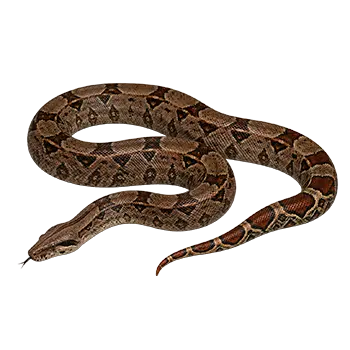

Overview of the Regulatory Landscape

The legal framework governing ownership and trade of the Colombian Red-Tail Boa is a layered system of international treaties, federal statutes, state legislation, and local ordinances that collectively determine where, how, and under what conditions keepers may legally possess, breed, sell, and transport these animals. Unlike venomous snakes, which are subject to relatively consistent restrictive regulation across most jurisdictions, non-venomous constrictors such as the Colombian Red-Tail Boa occupy a more variable legal position that can change dramatically depending on the keeper's geographic location, the intended use of the animal, and whether the animal will cross political boundaries.

At the broadest level, the Colombian Red-Tail Boa benefits from a regulatory status that is considerably less restrictive than that imposed on some other large constrictor species. The species has not been listed as an injurious species under the United States Lacey Act, a designation that has been applied to several other large constrictor species and that effectively prohibits interstate commerce and importation. This distinction reflects both the Colombian Red-Tail Boa's smaller adult size compared to the largest python species and its more limited potential to establish invasive populations in temperate climates, though the boundaries of this regulatory distinction have been actively debated by conservation biologists, industry representatives, and policymakers.

The regulatory landscape is further complicated by the ongoing taxonomic reclassification of boa species and subspecies. Legal definitions that reference specific scientific names can create confusion when taxonomic revisions change the binomial applied to a population. Regulations written to apply to Boa constrictor may or may not capture animals now classified as Boa imperator, depending on the jurisdiction's approach to updating its species lists and the specificity of the statutory language. This taxonomic ambiguity has created practical difficulties for keepers, breeders, and enforcement officials, and the herpetoculture community has advocated for regulatory frameworks that use clear, current nomenclature and that are updated promptly when taxonomic changes occur.

Prospective and current Colombian Red-Tail Boa owners bear the responsibility of understanding and complying with every layer of regulation that applies to their specific situation. Ignorance of applicable laws is not a viable defense against enforcement actions, and the consequences of non-compliance can range from fines and confiscation of animals to criminal charges in serious cases. The complexity of the regulatory landscape makes it essential for keepers to research their local requirements thoroughly, consult with knowledgeable legal counsel when necessary, and stay informed about proposed legislative changes that could affect their ability to keep and breed these animals.

United States Federal Regulations

At the federal level in the United States, the Colombian Red-Tail Boa's regulatory status is shaped primarily by the Lacey Act, the Endangered Species Act, and the regulations administered by the United States Fish and Wildlife Service. The Lacey Act, originally enacted in 1900 and significantly amended over the following century, prohibits the importation and interstate transport of wildlife designated as injurious to human beings, agriculture, horticulture, forestry, or wildlife and wildlife resources. The Act's injurious wildlife provisions have been the primary federal mechanism through which large constrictor species have been regulated in the United States.

The most significant federal regulatory action affecting large constrictors came in 2012, when the United States Fish and Wildlife Service finalized a rule listing four large constrictor species, including the Burmese Python and the Yellow Anaconda, as injurious wildlife under the Lacey Act. A subsequent 2015 rule added the Reticulated Python and three additional anaconda species to the injurious list. Crucially, the Boa constrictor species complex, including the Colombian Red-Tail Boa, was not included in either of these rulemakings, despite having been considered during the evaluation process. The decision to exclude boas reflected an assessment that the species posed a lower ecological risk of establishing invasive populations in the continental United States compared to the larger pythons and anacondas that were listed.

The exclusion of boas from the Lacey Act's injurious species list does not mean that the species is entirely free of federal regulatory considerations. The international trade in Boa imperator is regulated under the Convention on International Trade in Endangered Species of Wild Fauna and Flora, and federal permits are required for the importation and exportation of boas in compliance with CITES provisions. Additionally, the Animal Welfare Act, administered by the United States Department of Agriculture, establishes standards of care for animals maintained by licensed dealers, exhibitors, and research facilities, which can include commercial boa breeders and educational institutions that maintain boas for outreach purposes.

The federal regulatory landscape for boas remains subject to potential change. Legislative proposals to expand the Lacey Act's injurious species list to include additional constrictor species, including Boa constrictor and Boa imperator, have been introduced in Congress on multiple occasions. These proposals have been opposed by the herpetoculture industry and reptile hobbyist organizations, which argue that the Colombian Red-Tail Boa's well-established captive population, manageable size, and limited invasive potential do not justify the severe trade restrictions that an injurious species listing would impose. The outcome of these ongoing legislative and regulatory debates will have significant implications for the future of boa keeping in the United States.

State & Local Legislation

Below the federal level, the regulation of Colombian Red-Tail Boa ownership varies enormously across state and local jurisdictions in the United States, creating a patchwork of rules that can be challenging for keepers to navigate. Some states impose no restrictions on the ownership of non-venomous constrictors of any size, while others regulate or prohibit boa ownership through exotic animal statutes, dangerous animal ordinances, or specific reptile legislation. The rationale for these regulations varies but generally falls into categories of public safety, animal welfare, and environmental protection.

Several states have enacted broad exotic animal bans that encompass non-venomous constrictors above a certain size threshold or that include all members of the family Boidae. In these jurisdictions, keeping a Colombian Red-Tail Boa may require a permit, may be restricted to licensed facilities, or may be prohibited outright for private individuals. The specific provisions of these laws differ considerably: some states require annual permits with inspection requirements, while others grandfather existing animals but prohibit new acquisitions. The permit process itself varies in complexity and cost, ranging from simple registration forms to detailed applications requiring proof of adequate housing, escape prevention measures, and emergency response plans.

Local ordinances add an additional layer of regulatory complexity that state-level analysis alone cannot capture. Cities, counties, townships, and homeowner associations may impose their own restrictions on exotic animal ownership that are more restrictive than state law. A keeper who is in full compliance with federal and state regulations may still face legal exposure if a local ordinance prohibits constrictors within their municipality. These local regulations are often the most difficult to identify and track, as they may be buried in general animal control codes, zoning ordinances, or housing regulations rather than in standalone exotic animal statutes.

The enforcement of state and local boa regulations varies as widely as the regulations themselves. In some jurisdictions, exotic animal laws are actively enforced through regular inspections and proactive compliance monitoring. In others, enforcement is complaint-driven, with authorities becoming involved only when a neighbor reports the presence of a snake, when an animal escapes, or when a keeper seeks veterinary care or other services that bring the animal to official attention. This uneven enforcement creates a situation in which some keepers operate in technical violation of applicable laws without consequence, while others face enforcement actions for the same conduct in different jurisdictions. The herpetoculture community has consistently advocated for clear, consistently enforced, and scientifically grounded regulations as preferable to the current patchwork approach.

Keepers contemplating a move to a new jurisdiction or considering the acquisition of a Colombian Red-Tail Boa for the first time should conduct thorough research into the full spectrum of applicable regulations before committing. Contacting the state fish and wildlife agency, the local animal control authority, and any relevant homeowner association is a prudent starting point. Online databases maintained by reptile advocacy organizations can provide a useful overview, but these resources may not capture recent legislative changes or local ordinances, and they should be supplemented with direct inquiry to the relevant regulatory authorities.

International Trade & CITES

The international trade in Colombian Red-Tail Boas is governed primarily by the Convention on International Trade in Endangered Species of Wild Fauna and Flora, the multilateral treaty that regulates cross-border commerce in wildlife and wildlife products to prevent trade-driven extinction. Boa constrictor, including populations now classified as Boa imperator, is listed under CITES Appendix II, a designation that permits commercial trade but requires that exporting countries issue permits certifying that the trade is not detrimental to the survival of the species in the wild. This listing reflects the species' broad geographic range and relatively stable population status, combined with recognition that unregulated trade could deplete wild populations in specific regions.

The practical operation of CITES regulations for Colombian Red-Tail Boas involves a system of export permits, import permits, and record-keeping requirements that vary by country. Colombia, as a range state, regulates the export of native boa populations through its environmental authority, and legal export quotas are established based on assessments of wild population sustainability. In practice, the overwhelming majority of Colombian Red-Tail Boas in the international pet trade are captive-bred animals produced by breeders in the United States, Europe, and other countries far from the species' native range. CITES regulations apply differently to captive-bred specimens than to wild-caught animals, with captive-bred individuals generally subject to simplified permit requirements under provisions designed to distinguish sustainable captive production from wild harvest.

The European Union implements CITES requirements through its own Wildlife Trade Regulations, which in some cases impose stricter requirements than the convention itself mandates. EU member states require import permits for Appendix II species, and individual countries may impose additional national requirements. The United Kingdom, following its departure from the European Union, has maintained CITES compliance through its own regulatory framework. These variations in national implementation mean that keepers and breeders engaged in international trade must navigate not only the requirements of the convention itself but also the specific regulations of each country involved in a transaction.

Enforcement of CITES regulations for boas involves cooperation between national wildlife agencies, customs authorities, and international organizations. Illegal trade in boas, while less high-profile than trafficking in species such as pangolins or parrots, does occur, and enforcement efforts have targeted both the smuggling of wild-caught animals from range states and the fraudulent documentation of captive-bred animals. The herpetoculture community's interest in maintaining legal and sustainable trade is generally aligned with CITES objectives, and industry organizations have supported efforts to strengthen documentation and traceability systems that distinguish legally produced captive-bred animals from illicitly sourced specimens.

Liability & Insurance Considerations

Beyond the question of whether keeping a Colombian Red-Tail Boa is legally permitted in a given jurisdiction, owners must also consider the liability implications of maintaining a large constrictor. While the Colombian Red-Tail Boa is not a venomous species and is generally considered among the more manageable large constrictors in terms of temperament, it is nonetheless a powerful animal capable of inflicting bites and, in the case of very large individuals, of posing a constriction risk to small children or vulnerable adults if handled irresponsibly. These potential risks carry legal and financial implications that responsible owners should understand and address proactively.

In most jurisdictions, the owner of an exotic animal bears strict or enhanced liability for any injuries or damages caused by the animal. This legal standard, which is more demanding than the negligence standard typically applied to domestic animal owners, means that a boa owner may be held liable for bite injuries or other harm even if the owner exercised reasonable care in maintaining and handling the animal. The rationale for this heightened liability standard is that exotic animal ownership is considered an inherently unusual activity that imposes risks on others who have not consented to bear them, and the law places the burden of those risks on the party who chose to introduce the animal into the community.

Homeowner's and renter's insurance policies frequently exclude coverage for injuries caused by exotic animals, including non-venomous constrictors. Policy language varies, but many standard policies contain specific exclusions for exotic pets, dangerous animals, or animals that are not common domestic species. A boa owner who assumes that their homeowner's policy will cover a bite incident or property damage caused by an escaped snake may discover too late that the claim is denied under an exotic animal exclusion. Some specialty insurers offer exotic animal liability coverage as a standalone policy or as an endorsement to an existing homeowner's policy, and keepers who maintain Colombian Red-Tail Boas are well advised to explore these options.

Landlord-tenant relationships add another dimension to the liability picture. Many rental agreements prohibit exotic animals, and a tenant who keeps a boa in violation of a lease provision may face eviction, loss of security deposit, and liability for any damages attributable to the animal. Even in jurisdictions where boa ownership is legal, landlords retain the contractual right to exclude exotic animals from their properties, and tenants should review lease terms carefully and negotiate explicit permission in writing before bringing a boa into a rental unit. The discovery of an undisclosed snake by a landlord, maintenance worker, or fellow tenant can create confrontational situations that are best avoided through transparent communication and written authorization.

Navigating Compliance & Advocacy

For Colombian Red-Tail Boa owners, navigating the complex and evolving regulatory landscape requires a combination of diligent research, proactive compliance, community engagement, and, in many cases, active participation in the legislative and advocacy processes that shape the rules under which they operate. The most successful approach to compliance begins before the acquisition of an animal and continues throughout the animal's life, adapting to changes in law and regulation that may occur over the decades-long lifespan of a well-maintained boa.

Maintaining thorough documentation is a foundational compliance practice for boa owners. Records of acquisition, including bills of sale, breeder certifications, and any applicable permits, establish the legal provenance of an animal and can be essential in demonstrating compliance if questions arise. For keepers involved in breeding and sales, detailed breeding records, transaction logs, and health documentation serve both regulatory and practical purposes. In jurisdictions that require permits or registration, keeping copies of all permit correspondence, inspection reports, and renewal confirmations in an organized and accessible format ensures that compliance can be demonstrated quickly and definitively when required.

Engagement with the broader herpetoculture community provides boa owners with access to information, support, and collective advocacy resources that individual keepers cannot match. Organizations such as the United States Association of Reptile Keepers have played a central role in monitoring proposed legislation, organizing testimony at legislative hearings, funding legal challenges to overreaching regulations, and educating lawmakers about the realities of responsible reptile keeping. Membership in these organizations and participation in their activities strengthens the collective voice of the herpetoculture community in policy debates and helps ensure that the perspectives of knowledgeable, responsible keepers are represented in the regulatory process.

The most effective advocacy for rational boa regulation comes from keepers who demonstrate through their own conduct that responsible constrictor ownership is both feasible and compatible with public safety. Maintaining secure enclosures that prevent escapes, handling animals responsibly in ways that do not alarm or endanger neighbors, complying with all applicable regulations, and engaging constructively with local animal control officials and lawmakers establishes a track record of responsible stewardship that undermines the arguments of those who seek blanket prohibitions on constrictor ownership. Conversely, incidents involving escaped boas, irresponsible public handling, or neglected animals provide ammunition for legislative efforts to restrict or ban ownership, and the herpetoculture community has a collective interest in holding its members to high standards of animal care and community responsibility.

The regulatory future of Colombian Red-Tail Boa ownership will continue to be shaped by the interplay of scientific evidence, public perception, industry economics, and political dynamics. Keepers who invest in understanding this landscape, who participate constructively in the processes that shape it, and who exemplify the responsible stewardship that the best of herpetoculture represents are the species' most effective advocates and the hobby's most durable defense against regulatory overreach.

Always consult a qualified professional before making any health-related decisions. This content is provided for informational reference only and should not replace professional guidance specific to your animal.