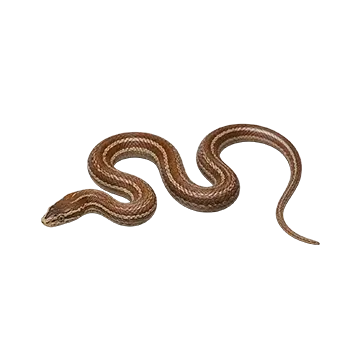

Preparing for Transport

Successful transport of a Cape House Snake begins well before the journey itself, with careful preparation that accounts for the animal's physiological needs, behavioral tendencies, and stress responses. The Cape House Snake's relatively small size and calm temperament make it one of the more straightforward snake species to transport, but this ease of handling should not lead to complacency about the preparation process. A well-prepared transport reduces stress for the animal, minimizes the risk of escape or injury, and ensures compliance with any regulatory requirements that may apply to the movement of reptiles in the relevant jurisdiction.

The most important preparatory step is to withhold food for an appropriate period before travel. Cape House Snakes should not be fed for at least four to five days before a planned transport event, as the stress and temperature fluctuations associated with travel can disrupt digestion and lead to regurgitation, a physiologically costly event that can compromise the snake's health. For longer journeys, a fasting period of seven days before departure provides an additional margin of safety. Fresh water should be available up until the time of departure, as hydration supports the snake's resilience during the stresses of transport.

Assembling the correct transport container is equally critical. For Cape House Snakes, the ideal transport container is a ventilated plastic tub or a commercially produced reptile shipping box sized appropriately for the individual animal. The container should be large enough for the snake to assume a loosely coiled resting posture but not so spacious that the animal slides and tumbles during movement. A tight-fitting, secure lid is essential to prevent escape, and ventilation holes should be small enough to prevent the snake from pushing through but numerous enough to ensure adequate airflow throughout the journey's duration.

The interior of the transport container should include a substrate layer or packing material that provides the snake with a sense of security and absorbs any moisture produced during transit. Crumpled newspaper, unprinted newsprint, or paper towels work well for short journeys, while longer transports may benefit from the addition of a small hide or a cloth bag that allows the snake to conceal itself. The Cape House Snake's secretive nature means that an animal provided with a place to hide will typically settle quickly and remain calm throughout the journey, while one exposed in an open container is more likely to exhibit stress behaviors such as persistent movement and attempts to escape.

Short-Distance & Vehicle Travel

Short-distance vehicle travel, whether for a veterinary visit, a move to a new home, or transport to and from a reptile show, is the most common form of Cape House Snake transport that keepers will encounter. The species' manageable size and generally tolerant disposition make car travel relatively straightforward, but attention to a few key variables can make the difference between a smooth, uneventful journey and one that is stressful for both the snake and the keeper.

Temperature management inside the vehicle is the single most important factor in safe short-distance transport. Cape House Snakes are ectotherms that rely on external heat sources to regulate their body temperature, and the interior of a vehicle can become dangerously hot or cold far more quickly than most people realize. During warm weather, a parked car with closed windows can reach lethal temperatures within minutes, even on days that do not feel particularly hot outside. In cold weather, the interior of an unheated vehicle can drop below the temperatures that the Cape House Snake can tolerate without physiological stress. The transport container should be placed inside the climate-controlled passenger compartment of the vehicle, never in the trunk or cargo area where temperature regulation is difficult or impossible to maintain.

The positioning of the transport container within the vehicle also warrants consideration. The container should be placed on a flat, stable surface where it will not slide, tip, or fall during normal driving. The floor of the passenger-side footwell or a flat area of the back seat, secured with a seatbelt or wedged between soft items to prevent movement, are both suitable locations. Placing the container on the dashboard, where it would be exposed to direct sunlight and temperature extremes, should be avoided under all circumstances. The container should also be oriented so that its ventilation openings are not blocked by surrounding items, ensuring continuous airflow.

Upon arrival at the destination, the Cape House Snake should be allowed to acclimate gradually rather than being immediately returned to its permanent enclosure or presented for handling. Placing the closed transport container inside or adjacent to the snake's enclosure for thirty minutes to an hour allows the animal's body temperature to equalize with its normal environment and gives it time to recover from the sensory stimulation of the journey. After this acclimation period, the snake can be transferred to its enclosure and offered water. Feeding should be delayed for at least twenty-four to forty-eight hours after travel to allow the animal's digestive system to return to normal function.

Keepers who regularly transport their Cape House Snakes for veterinary appointments or educational presentations may find it useful to establish a consistent transport routine that the snake can become accustomed to over time. Using the same transport container, following the same pre-travel preparation steps, and maintaining a calm, quiet environment during the journey all contribute to a predictable experience that reduces the animal's stress response with each successive transport event.

Long-Distance & Overnight Shipping

Shipping a Cape House Snake over long distances, whether across a country or between countries, introduces additional complexity in terms of packaging, temperature management, timing, and regulatory compliance. While the species' hardiness and compact size make it a relatively good candidate for long-distance shipping compared to larger or more sensitive reptile species, the process still requires meticulous planning and execution to ensure the animal arrives safely and in good health.

The packaging standards for overnight reptile shipping have been refined over decades of practice within the herpetoculture community, and Cape House Snake shippers should adhere to established best practices. The snake should be placed in a clean, breathable cloth bag or a deli cup with ventilation holes, which is then secured inside a rigid shipping box. The shipping box should be insulated with polystyrene panels or foam to buffer against temperature fluctuations during transit. During cold weather, commercially available heat packs designed for reptile shipping should be placed inside the box but separated from the animal by a layer of insulation to prevent direct contact burns. During hot weather, phase-change cold packs or frozen gel packs wrapped in newspaper can help prevent overheating, though extreme summer temperatures may make shipping inadvisable regardless of precautions taken.

The choice of shipping carrier and service level is critical for live reptile transport. Most standard postal services do not accept live reptiles, and shippers must use carriers that explicitly permit live animal shipments and offer overnight or next-day delivery guarantees. In the United States, several major carriers offer reptile-approved shipping services, though the specific terms, packaging requirements, and seasonal restrictions vary by carrier and should be confirmed before each shipment. In Europe, specialist reptile courier services have emerged to fill the niche of live reptile transport, offering temperature-controlled vehicles and door-to-door delivery that minimizes the time the animal spends in transit.

Timing the shipment to avoid weather extremes and transit delays is one of the most effective risk-reduction strategies available to shippers. Shipping on Monday through Wednesday ensures that the package does not spend a weekend sitting in a warehouse or sorting facility where temperature control may be minimal. Checking the weather forecast for both the origin and destination cities, as well as any hub cities through which the package may be routed, helps identify days when conditions are within the safe range for reptile transport. Most experienced reptile shippers set temperature thresholds below which or above which they will not ship, typically refusing to send animals when temperatures at any point along the route are expected to fall below forty degrees Fahrenheit or rise above ninety-five degrees Fahrenheit.

Communication between shipper and recipient is essential for a successful long-distance transport. The recipient should be informed of the shipping date, expected delivery time, and tracking number, and should be prepared to receive the package promptly upon arrival. A Cape House Snake that arrives at its destination and sits unattended on a doorstep or in a mail room for hours is at significantly greater risk of temperature stress than one that is immediately brought indoors and allowed to acclimate. Shippers should also provide recipients with instructions for unpacking and acclimating the snake, particularly if the recipient is a less experienced keeper who may not be familiar with post-shipping protocols.

Air Travel & Airline Policies

Air travel with a Cape House Snake presents a distinct set of challenges that differ significantly from those associated with ground transport. The vast majority of commercial airlines do not permit reptiles in the passenger cabin under any circumstances, and the options for transporting snakes by air are largely limited to cargo hold shipment or specialized animal transport services. Understanding the policies, requirements, and limitations of air transport is essential for keepers who need to move their Cape House Snakes over distances that make ground transport impractical.

Airline cargo policies for live reptiles vary by carrier, route, and season. Airlines that accept live reptile shipments in their cargo holds typically require that animals be packaged in airline-approved containers that meet specific standards for ventilation, security, and labeling. The International Air Transport Association publishes Live Animals Regulations that provide detailed guidance on container specifications, labeling requirements, and species-specific handling instructions for the air transport of live animals. While these regulations are primarily designed for commercial shipments, private keepers who ship animals via airline cargo are generally expected to comply with the same standards.

Temperature conditions in aircraft cargo holds represent perhaps the most significant concern for Cape House Snake air transport. While the pressurized cargo compartments used for live animal shipment are heated, the temperatures maintained in these holds may fluctuate during flight and may not match the optimal range for a small ectothermic animal. Ground handling at departure and arrival airports presents additional temperature risks, as containers may be exposed to tarmac conditions that can be extremely hot or cold depending on the season and location. Heat packs or cold packs included in the shipping container provide some buffering against these fluctuations, but their duration of effectiveness is limited and may not cover the full elapsed time from drop-off to pickup.

Specialized animal transport companies offer an alternative to direct airline cargo shipment that may be preferable for keepers who are uncomfortable navigating the complexities of airline live animal policies. These companies handle the logistics of booking cargo space, preparing IATA-compliant packaging, and managing the documentation required for air transport, reducing the administrative burden on the keeper and providing professional oversight of the animal's handling throughout the journey. The cost of these services is typically higher than self-managed cargo shipment, but the convenience and peace of mind they offer may justify the expense, particularly for keepers who are shipping animals internationally and must comply with the import and export regulations of multiple jurisdictions.

Keepers relocating internationally with their Cape House Snakes should begin researching air transport options and regulatory requirements well in advance of their planned move. The documentation requirements for international reptile transport, which may include veterinary health certificates, export permits, import permits, and CITES documentation where applicable, can take weeks or months to assemble, and last-minute attempts to arrange international animal transport frequently result in delays, complications, or the inability to bring the animal at all.

Documentation & Cross-Border Requirements

Moving a Cape House Snake across international borders requires careful attention to a web of documentation requirements that can vary dramatically depending on the countries involved, the purpose of the movement, and whether the animal is being transported as a personal pet, a commercial commodity, or a specimen for scientific or educational purposes. Keepers who anticipate cross-border travel with their Cape House Snakes should begin assembling the required documentation as early as possible, as the process of obtaining permits and certificates can be time-consuming and the consequences of arriving at a border without proper paperwork can range from the seizure of the animal to criminal prosecution.

Veterinary health certificates are among the most commonly required documents for international reptile transport. Most importing countries require a certificate issued by a licensed veterinarian in the country of origin, confirming that the animal has been examined and found free of signs of infectious disease. The specific requirements for the veterinary examination, the format of the certificate, and the timeframe within which it must be issued relative to the date of travel vary by country, and keepers should verify the exact requirements of their destination country well in advance. Some countries require that health certificates be endorsed or countersigned by a government veterinary authority, adding an additional step to the process.

Export permits from the country of origin are required in many jurisdictions, even for species like the Cape House Snake that are not listed under CITES. South Africa requires export permits for indigenous reptile species, and the application process involves demonstrating that the animal is captive-bred, that the export will not negatively affect wild populations, and that the exporter holds the appropriate provincial permits for keeping and breeding the species. Processing times for export permits can vary from weeks to months, and applicants should factor this timeline into their travel planning.

Import permits or prior notification requirements in the destination country represent the other side of the documentation equation. Some countries require prospective importers to obtain a specific permit before the animal enters the country, while others require advance notification to customs or biosecurity authorities but do not issue a formal permit. A third category of countries permits the import of non-CITES-listed reptiles without prior authorization but requires declaration at the point of entry and may conduct inspections to verify compliance with health and documentation standards. The Cape House Snake's non-CITES status simplifies the import process in many jurisdictions, but it does not eliminate it, and keepers should never assume that the absence of a CITES requirement means that no import formalities apply.

Record-keeping throughout the transport process is essential for both legal compliance and practical reference. Keepers should maintain copies of all permits, certificates, and correspondence related to the transport, along with records of the animal's origin, breeding history, and any veterinary treatments it has received. These records may be requested by authorities at any point during the journey and should be readily accessible rather than packed in checked luggage or cargo. Digital copies stored on a phone or tablet provide a useful backup in case paper documents are lost or damaged during transit, though original paper documents are typically required for official inspection purposes.

Post-Travel Care & Acclimation

The period immediately following transport is a critical phase in the Cape House Snake's experience, and the care provided during this time can significantly influence the animal's recovery from travel stress and its long-term adjustment to a new environment. Even for a hardy, adaptable species like the Cape House Snake, the cumulative effects of handling, temperature fluctuation, vibration, and unfamiliar stimuli during transport can produce a measurable stress response that requires time and appropriate conditions to resolve.

Upon arrival at the destination, the Cape House Snake should be transferred to a pre-prepared enclosure that has been set up and brought to the appropriate temperature range before the animal's arrival. Attempting to set up an enclosure and establish a thermal gradient after the snake has already arrived extends the period during which the animal is without proper conditions and increases the total duration of stress. The receiving enclosure should include all essential furnishings, including appropriate substrate, a water bowl filled with fresh water, at least one secure hide on the warm side and one on the cool side of the thermal gradient, and any additional enrichment items that the keeper intends to provide.

A quarantine period following transport is advisable regardless of the source of the animal and the length of the journey. For snakes arriving from a breeder, dealer, or another keeper's collection, a quarantine period of thirty to ninety days in a separate enclosure, away from any other reptiles the keeper may own, allows time for potential health issues to manifest before the new arrival is introduced to the proximity of established animals. The quarantine enclosure should be simple and easy to clean, with paper towel or newspaper substrate that facilitates monitoring of fecal output and the detection of any signs of illness such as abnormal stools, respiratory discharge, or external parasites.

Feeding should not be attempted until the Cape House Snake has had adequate time to settle into its new environment. A minimum of five to seven days after arrival is a reasonable waiting period before the first feeding attempt, though more cautious keepers may prefer to wait a full two weeks, particularly if the snake was shipped over a long distance or showed signs of stress upon unpacking. The first meal offered should be smaller than the snake's normal ration, as the digestive system may require time to return to full function after the disruptions of travel. If the snake refuses the first feeding attempt, the prey item should be removed and the attempt repeated after another three to five days, without alarm, as temporary appetite suppression following transport is a normal and expected response.

Handling should be minimized during the acclimation period to allow the Cape House Snake to establish a sense of security in its new surroundings. Beyond the necessary handling involved in transferring the snake from its transport container to its enclosure, the animal should be left undisturbed for at least one to two weeks, with keeper interaction limited to water changes, visual health checks, and enclosure maintenance. Premature handling during the acclimation period can extend the snake's stress response and may result in defensive behaviors such as striking or musking that would not occur once the animal has settled and developed familiarity with its keeper and environment. After the initial acclimation period, handling can be gradually introduced in short, calm sessions, building toward the snake's baseline comfort level over the course of several weeks.

Always consult a qualified professional before making any health-related decisions. This content is provided for informational reference only and should not replace professional guidance specific to your animal.