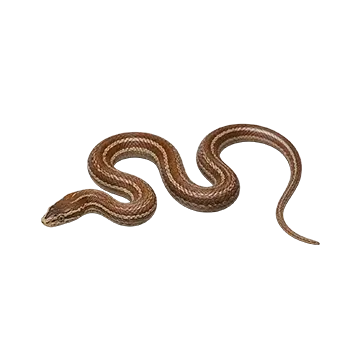

The legal framework governing the Cape House Snake in its native South Africa is shaped primarily by the National Environmental Management: Biodiversity Act (NEMBA) of 2004, which provides the overarching legislative structure for the conservation, sustainable use, and regulation of South Africa's biological resources. Under NEMBA and its associated regulations, reptile species are classified according to their conservation status and the degree of regulation required to manage their collection, trade, and keeping. The Cape House Snake, as a species that is neither threatened nor considered invasive, occupies a relatively permissive position within this framework, though it is not entirely exempt from regulatory oversight.
South Africa's provincial nature conservation ordinances add an additional layer of regulation that varies significantly from one province to another. Each of South Africa's nine provinces maintains its own wildlife permitting system, and the requirements for keeping reptiles, including non-threatened species like the Cape House Snake, can differ markedly depending on where a keeper resides. In the Western Cape, which encompasses a significant portion of the species' natural range, provincial regulations require permits for the keeping and breeding of indigenous reptile species. The Eastern Cape, Gauteng, KwaZulu-Natal, and other provinces each maintain their own permit requirements and application processes, creating a patchwork of regulatory environments that keepers must navigate carefully.
The practical implications of this provincial variation can be significant for Cape House Snake keepers and breeders. A keeper who is fully compliant with the regulations in one province may find that their activities require different permits, additional inspections, or modified record-keeping practices if they relocate to another province. Breeders who sell animals across provincial boundaries must ensure compliance with both the originating and receiving provinces' regulations, and the administrative burden of maintaining proper documentation can be substantial for operations that ship animals to multiple destinations within the country.
It is important to note that South African wildlife law draws a distinction between the collection of wild specimens and the keeping and breeding of captive-born animals. The removal of Cape House Snakes from the wild is subject to stricter regulation than the keeping of captive-bred individuals, reflecting the legislative priority of protecting wild populations while accommodating the legitimate interests of the herpetoculture community. Keepers who obtain their animals from licensed breeders and maintain appropriate documentation of captive origin are generally subject to less onerous regulatory requirements than those who seek to collect specimens from natural habitats.