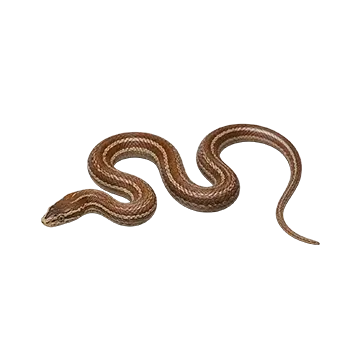

The Cape House Snake has historically received less screen time in major wildlife documentaries than southern Africa's more visually dramatic reptile species. Filmmakers producing content about the region's herpetofauna have tended to focus on the charismatic megafauna of the snake world, the black mamba's speed, the puff adder's camouflaged menace, the boomslang's vivid coloring, leaving the comparatively modest house snake in the background. This pattern reflects the broader media bias toward animals that offer obvious visual spectacle or perceived danger, qualities that the small, brown, and thoroughly inoffensive Cape House Snake does not readily provide.
Despite this disadvantage, the species has appeared in a number of South African wildlife television programs and regional natural history productions that take a more ecologically nuanced approach to their subject matter. Programs focused on the biodiversity of the Cape Floristic Region or the wildlife of the Karoo have included segments on the Cape House Snake, typically framing the species within the context of the region's remarkable and often overlooked reptile diversity. These productions tend to emphasize the snake's commensal relationship with humans, its role as a natural pest controller, and the broader lesson that ecological value and visual appeal do not always correlate.
South African broadcasting in particular has given the Cape House Snake more consistent attention than international networks. Regional nature programs, agricultural extension broadcasts, and environmental education segments have featured the species in contexts that highlight its practical importance to farming communities and its status as a harmless neighbor in suburban and rural homes. These appearances, while lacking the production values of international nature documentaries, have arguably done more to shape public attitudes toward the species within its native range than any glossy foreign production could.
The rise of streaming platforms and on-demand nature content has begun to create new opportunities for species like the Cape House Snake that were previously underserved by traditional broadcast media. As audiences develop appetite for more specialized and regionally focused natural history content, producers have greater latitude to explore subjects that would not have warranted a full episode on a conventional television schedule. Short-form documentary series exploring the reptile diversity of specific South African biomes have included the Cape House Snake alongside better-known species, introducing the animal to international audiences who might never encounter it through mainstream wildlife programming.