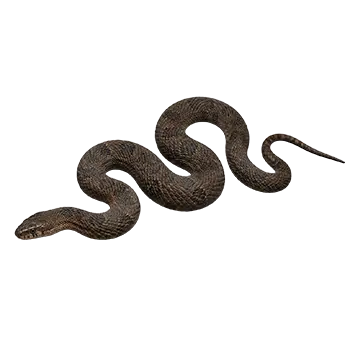

Transporting a Brown Water Snake requires thoughtful preparation that accounts for the species' large size, aquatic nature, defensive temperament, and sensitivity to environmental conditions. Whether the journey involves a short drive to a reptile veterinarian or a longer relocation to a new keeper, the preparation phase is critical to ensuring the safety of both the snake and the handler. Inadequate preparation is the most common cause of transport-related stress, injury, and escape, all of which are avoidable with proper planning.
The first step in preparing a Brown Water Snake for transport is selecting an appropriate container. For most road transport situations, a sturdy, well-ventilated plastic tub or purpose-built reptile transport box is the preferred option. The container should be large enough for the snake to coil comfortably without being cramped but not so spacious that the animal is thrown around during vehicle movements. For an average adult Brown Water Snake in the three-to-four-foot range, a container with interior dimensions of roughly eighteen by twelve by eight inches provides a reasonable balance of security and comfort. The lid must be completely secure and escape-proof, as Brown Water Snakes are muscular animals capable of pushing open loosely fitted covers.
Because the Brown Water Snake is a strongly aquatic species, transport preparation must address the animal's relationship with moisture without creating conditions that compromise safety during transit. A layer of damp paper towels or moistened sphagnum moss on the floor of the transport container provides the humidity the snake needs without the hazards of standing water, which can slosh during vehicle movement and saturate the animal's respiratory space. The substrate should be damp but not dripping, and it should be replaced if it dries out during a prolonged journey.
The snake should be fasted for at least forty-eight hours before any planned transport to reduce the risk of regurgitation during the journey. Regurgitation is a significant stress response in snakes and can lead to aspiration, dehydration, and esophageal damage. A Brown Water Snake with an empty digestive tract is far less likely to regurgitate and will recover from the stress of transport more quickly upon arrival at its destination. Handlers should also be prepared for the species' characteristic defensive behaviors, which include vigorous biting and the release of foul-smelling musk from the cloacal glands. Wearing appropriate gloves and having cleaning supplies readily available can make the loading process less unpleasant.