
Film & Television

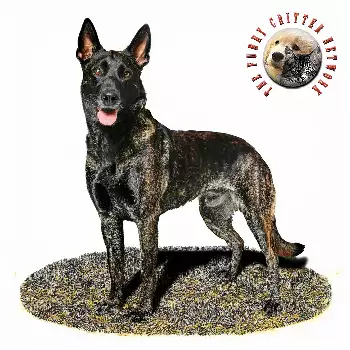
The Dutch Shepherd has not achieved the widespread cinematic fame enjoyed by breeds like the German Shepherd or the Labrador Retriever, but it has made appearances in film and television that reflect its real-world reputation as a capable working dog. When productions call for a police or military canine that looks distinct from the ubiquitous German Shepherd, the Dutch Shepherd's striking brindle coat and athletic frame make it a compelling on-screen alternative. Its natural trainability and calm temperament on set have earned it favor with animal trainers working in the entertainment industry.

In action-oriented films and television series, Dutch Shepherds have appeared in roles depicting police K-9 units, military working dogs, and protection animals. These portrayals tend to be grounded in the breed's actual working capabilities rather than fictionalized heroics, which aligns with the breed's no-nonsense reputation. Trainers who supply dogs for film work have noted that Dutch Shepherds take well to the repetitive nature of shooting scenes, maintaining focus and reliability across multiple takes.

Documentary and reality programming has provided another avenue for the breed's screen presence. Shows focused on police training, military working dog programs, and competitive dog sports have featured Dutch Shepherds prominently, giving viewers an authentic look at what the breed does best. These appearances have arguably done more to raise public awareness of the breed than scripted entertainment, as they showcase the dog's genuine abilities rather than a dramatized version of them.

As the breed's popularity has grown in North America and beyond, its appearances in visual media have become more frequent. Independent films, web series, and streaming content have all featured Dutch Shepherds in various roles, and the breed's distinctive look ensures that knowledgeable viewers can identify it even when it is not specifically named on screen.

Literature & Art

The Dutch Shepherd's presence in literature is modest compared to more widely known breeds, but it appears in a growing body of nonfiction work devoted to working dogs, herding breeds, and canine history. Books on European herding traditions frequently discuss the breed's origins and its role in Dutch agricultural life, providing valuable historical context for readers interested in the relationship between dogs and farming communities. These accounts typically emphasize the breed's versatility and the practical demands that shaped its development.

Breed-specific guidebooks and training manuals have become more common as the Dutch Shepherd's popularity has increased. These publications cover topics ranging from puppy selection and socialization to advanced training techniques for sport and professional work. Many are written by experienced handlers and trainers who bring firsthand knowledge of the breed's temperament and capabilities, making them useful resources for both prospective and current owners.

In the visual arts, the Dutch Shepherd appears occasionally in paintings and illustrations depicting rural Dutch life, though it is rarely identified by breed name in historical works. The pastoral scenes of the nineteenth-century Netherlands often include dogs that closely resemble the Dutch Shepherd, reflecting the breed's ubiquity on farms of that era. Contemporary artists working in the pet portrait and wildlife illustration genres have also taken an interest in the breed, drawn to the visual complexity of its brindle coat and its alert, expressive features.

Photography has become an important medium for celebrating the breed, with professional and amateur photographers capturing Dutch Shepherds in working, sport, and companion contexts. These images circulate widely on social media and in breed publications, contributing to a visual record that documents the breed's modern roles and the diversity of its enthusiast community.

Internet & Social Media

The Dutch Shepherd has developed a dedicated and growing online following, driven largely by working-dog enthusiasts, sport competitors, and breed fanciers who use social media platforms to share content and connect with one another. Instagram, YouTube, and TikTok accounts devoted to individual Dutch Shepherds regularly attract substantial followings, with content ranging from training demonstrations and competition footage to everyday life with an active, intelligent breed.

Training videos featuring Dutch Shepherds are among the most popular breed-related content online. Viewers are drawn to the breed's impressive athleticism and responsiveness, and professional trainers have found that Dutch Shepherd content generates strong engagement. Videos showing the breed performing detection work, agility courses, protection scenarios, and advanced obedience routines frequently go viral within the working-dog community and occasionally reach broader audiences.

Online forums and breed-specific groups on platforms like Facebook and Reddit serve as important community hubs for Dutch Shepherd owners and admirers. These spaces facilitate discussions on topics such as breeder recommendations, health testing, training methods, and the breed's evolving status within kennel club systems. The relatively small size of the Dutch Shepherd community means that these online groups often foster a sense of camaraderie and shared purpose among members.

The breed's social media presence has had a measurable impact on public awareness. Many prospective owners report that they first encountered the Dutch Shepherd through online content, and breeders have noted an increase in inquiries that correlate with viral posts or popular accounts. This digital visibility has been a double-edged sword, as responsible breeders work to ensure that the breed's growing popularity does not outpace the availability of well-bred, health-tested puppies.

Advertising & Branding

The Dutch Shepherd's appearance in commercial advertising has been limited but noteworthy. Its athletic build, alert expression, and distinctive brindle coat make it visually striking in contexts where advertisers want to convey themes of strength, reliability, and capability without defaulting to the more commonly used German Shepherd or Belgian Malinois. The breed has appeared in advertisements for outdoor gear, automotive brands, and security services, where its working-dog image aligns naturally with the product messaging.

Pet industry brands have also featured Dutch Shepherds in marketing materials, particularly companies that cater to active dogs and working breeds. Manufacturers of high-performance dog gear — including harnesses, leashes, training equipment, and nutrition products — have used the breed in promotional photography and video content. The Dutch Shepherd's association with professional-level training and sport competition gives it credibility in this market segment.

The breed has not yet been adopted as a mascot or brand symbol by any major corporation, which is consistent with its relatively low profile outside the working-dog community. However, smaller businesses in the dog training, breeding, and sport sectors have incorporated the Dutch Shepherd into their branding, using the breed's image to signal expertise, quality, and a commitment to working-dog values.

As the breed becomes more widely recognized, its potential as a commercial symbol is likely to grow. The Dutch Shepherd's combination of visual distinctiveness and professional credibility positions it well for advertising contexts that value authenticity over generic appeal, and brand strategists have begun to take notice of the breed's rising profile in social media and competitive sport.

The Popularity Effect

The Dutch Shepherd's gradual rise in popularity has sparked both enthusiasm and caution within the breed community. Enthusiasts welcome the increased awareness, which brings new supporters, expands the breeding population, and opens doors to additional competitive and professional opportunities. Greater visibility also means more resources devoted to health research, breed education, and organized events, all of which benefit the breed's long-term prospects.

However, experienced breeders and fanciers have been vocal about the risks associated with rapid popularity growth. The history of dog breeding is filled with examples of breeds that suffered significant health and temperament declines after sudden surges in demand, as unscrupulous breeders prioritized volume over quality. The Dutch Shepherd community has sought to preempt this outcome by emphasizing the importance of health testing, temperament evaluation, and responsible placement practices.

The breed's current position — well known within working-dog circles but still relatively obscure to the general public — is seen by many fanciers as a healthy balance. It provides enough interest to sustain a viable breeding population and competitive infrastructure without generating the kind of mass-market demand that can overwhelm responsible breeders. Maintaining this balance is an ongoing conversation within breed clubs and online communities.

Media exposure, particularly through social media, has been the primary driver of the breed's growing recognition. While this visibility has introduced the Dutch Shepherd to countless potential owners and supporters, it has also created pressure on breeders to meet demand that may exceed the supply of responsibly bred puppies. The breed community continues to navigate this tension, working to ensure that popularity serves the breed's welfare rather than undermining it.

Always consult a qualified professional before making any health-related decisions. This content is provided for informational reference only and should not replace professional guidance specific to your animal.