
Car Travel

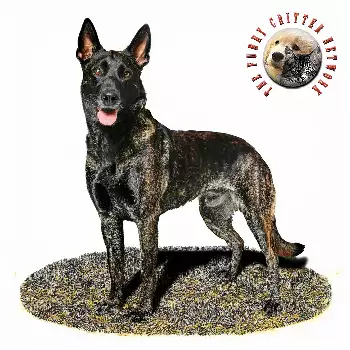
The Dutch Shepherd's athleticism and eagerness to accompany its owner make it a natural travel companion, and car travel is typically the most straightforward way to bring your dog along on trips. However, the breed's size and energy level require some planning to ensure that road trips are safe and comfortable for everyone in the vehicle. Proper restraint is essential — an unrestrained Dutch Shepherd can become a dangerous projectile in a sudden stop and can also distract the driver by moving around the cabin.

A sturdy travel crate sized appropriately for the dog is the safest option for car travel. The crate should be large enough for the dog to stand, turn, and lie down comfortably, and it should be secured in the vehicle to prevent shifting during transit. For SUVs and larger vehicles, cargo area crates work well and give the dog a defined space without crowding passengers. If a crate is not practical, a crash-tested dog harness that attaches to the vehicle's seat belt system is a reliable alternative.

Frequent stops are important on longer drives, particularly for an active breed like the Dutch Shepherd. Plan to stop every two to three hours to allow the dog to stretch, relieve itself, and drink water. These breaks also help prevent stiffness and restlessness, which can make the remainder of the drive more pleasant for both the dog and the passengers. Choose rest stops with grassy areas or walking paths where the dog can move around safely on leash.

Temperature management is critical during car travel. Never leave a Dutch Shepherd unattended in a parked vehicle, as interior temperatures can reach dangerous levels within minutes even on moderately warm days. If you need to make stops where the dog cannot accompany you, plan ahead by traveling with a partner who can stay with the dog, or choose destinations that are dog-friendly. Keeping the vehicle well ventilated and providing access to fresh water throughout the trip will help keep your Dutch Shepherd comfortable and safe.

Air Travel

Air travel with a Dutch Shepherd presents specific challenges due to the breed's size, which typically exceeds the limits for in-cabin travel on most commercial airlines. Dogs that cannot fit in an under-seat carrier must travel in the cargo hold in an airline-approved crate, or owners must explore alternative arrangements such as charter pet transport services. Understanding airline policies and preparing thoroughly can help minimize stress for both the dog and the owner.

When cargo hold travel is the only option, selecting an appropriate crate is the first priority. The crate must meet International Air Transport Association (IATA) standards, which specify requirements for construction materials, ventilation, size relative to the dog, and labeling. The dog should be able to stand at full height, turn around, and lie down in a natural position within the crate. Acclimating the dog to the travel crate well in advance of the flight — ideally weeks or months beforehand — can significantly reduce anxiety during the actual journey.

Airline policies regarding pet travel vary considerably and can change without notice. Some airlines restrict pet cargo transport during extreme weather months, impose breed-specific limitations, or require health certificates issued within a narrow window before departure. Researching the specific airline's current policies, booking early, and confirming pet travel arrangements multiple times before the flight are all prudent steps. Direct flights are strongly preferable to connections, as they reduce overall travel time and eliminate the risk of mishandling during transfers.

For owners who travel frequently or over long distances, pet-specific transport services offer an alternative to commercial airline cargo travel. These services use climate-controlled vehicles or dedicated pet charter flights and provide door-to-door transport with professional handling. While more expensive than standard airline cargo transport, these services can offer greater peace of mind for owners of high-value or anxiety-prone dogs. Regardless of the transport method chosen, a pre-travel veterinary examination is advisable to confirm the dog's fitness for air travel.

Pet-Friendly Accommodations

Finding suitable accommodations when traveling with a Dutch Shepherd requires advance research and planning. While the number of pet-friendly hotels, vacation rentals, and campgrounds has grown substantially in recent years, many properties impose size or weight limits that may exclude a full-grown Dutch Shepherd. Others charge per-night pet fees, require refundable deposits, or restrict dogs to certain room types or areas of the property.

When booking accommodations, it is important to confirm the specific pet policy in detail rather than relying on a general "pet-friendly" designation. Ask about weight limits, breed restrictions, the number of pets allowed per room, designated pet relief areas, and any areas of the property where dogs are not permitted. Some properties require pets to be crated when left unattended in the room, which is a reasonable expectation for a breed with the Dutch Shepherd's energy level and intelligence — a bored, uncrated Dutch Shepherd in an unfamiliar hotel room could become destructive.

Vacation rental platforms often offer more flexibility than traditional hotels for large-breed owners. Private homes and cabins may provide fenced yards, proximity to hiking trails, and more space for the dog to move around comfortably. However, rental owners may have their own pet policies that differ from the platform's general guidelines, so direct confirmation is always advisable. Reading reviews from other dog owners who have stayed at the property can provide useful insight into the actual pet-friendliness of a listing.

Campgrounds and outdoor recreation areas are often excellent options for traveling with a Dutch Shepherd, as they provide ample space for exercise and mental stimulation. Many national and state parks welcome leashed dogs on certain trails and in campground areas, though rules vary by park and some sensitive ecological areas restrict pets entirely. Researching park-specific pet policies before arrival will help ensure a smooth visit and prevent the disappointment of arriving at a trailhead only to find that dogs are not permitted.

Boarding & Pet Sitting

When travel plans do not allow for bringing the Dutch Shepherd along, boarding facilities and pet sitting services provide care alternatives. Choosing the right option requires consideration of the breed's specific needs, including its high energy level, need for mental stimulation, and potential for anxiety in unfamiliar environments. A well-matched boarding or sitting arrangement can be a positive experience for the dog, while a poor fit can result in stress, behavioral issues, or even injury.

Traditional boarding kennels vary widely in quality and approach. The best facilities offer individual or small-group play sessions, structured exercise time, and comfortable sleeping areas. When evaluating a boarding kennel for a Dutch Shepherd, look for staff who are experienced with working breeds, adequate space for the dog to move and exercise, secure fencing and containment, and a clean, well-maintained environment. Visiting the facility in person before booking is strongly recommended, as online photos and descriptions do not always reflect the actual experience.

In-home pet sitting — either in the sitter's home or in the owner's home — is often a better fit for Dutch Shepherds that are anxious in kennel environments. A pet sitter who comes to the owner's home maintains the dog's familiar routine and surroundings, which can reduce stress significantly. Sitters who host dogs in their own homes can provide a more personal, home-like experience than a commercial kennel. In either case, the sitter should be experienced with active, intelligent breeds and prepared to provide adequate exercise and engagement throughout the stay.

Regardless of the care arrangement chosen, preparation is key. Providing the caretaker with detailed information about the dog's feeding schedule, exercise needs, behavioral quirks, medication requirements, and emergency veterinary contacts will help ensure continuity of care. A trial overnight stay before an extended trip can reveal how the dog responds to the new environment and caretaker, allowing adjustments to be made before the actual departure.

Emergency Preparedness

Emergency preparedness is an important aspect of responsible Dutch Shepherd ownership, particularly for owners who travel frequently with their dogs. Natural disasters, severe weather events, vehicle breakdowns, and medical emergencies can all create situations where having a plan in place for your dog's safety makes a critical difference. A well-prepared owner can respond quickly and effectively, reducing risk and stress for both the dog and the household.

Assembling a dedicated emergency kit for the dog is a practical first step. This kit should include a minimum three-day supply of food and water, copies of vaccination records and veterinary contacts, any medications the dog takes regularly, a basic first-aid kit tailored for dogs, a sturdy leash and collar with current identification tags, and recent photographs of the dog for identification purposes. Keeping this kit in an accessible location — such as near the front door or in the vehicle — ensures it can be grabbed quickly in an evacuation scenario.

Identification is especially important during emergencies, when dogs are most likely to become separated from their owners. In addition to a microchip with current registration information, the dog should wear a collar with legible identification tags that include the owner's name, phone number, and any critical medical information. Some owners also use GPS-enabled tracking collars that allow real-time location monitoring through a smartphone app, which can be invaluable if the dog escapes during a chaotic situation.

Planning for evacuation should include identifying pet-friendly shelters, hotels, and the homes of friends or family members who could accommodate the dog on short notice. Many emergency shelters do not accept pets, so knowing your options in advance is essential. Owners who participate in training or sport activities with their Dutch Shepherds may find that their dog's advanced obedience and handler focus are significant advantages during stressful emergency situations, as a well-trained dog is easier to manage, transport, and house in temporary accommodations.

Always consult a qualified professional before making any health-related decisions. This content is provided for informational reference only and should not replace professional guidance specific to your animal.