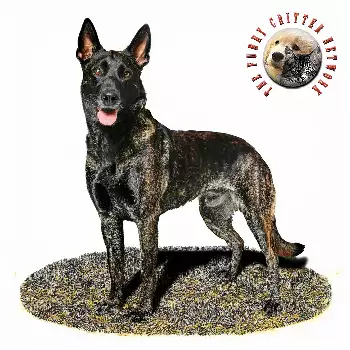

Breed-Specific Legislation

The Dutch Shepherd is not commonly targeted by breed-specific legislation (BSL) in most jurisdictions. BSL typically focuses on breeds perceived as posing a heightened risk to public safety, such as pit bull types, Rottweilers, and certain mastiff breeds. Because the Dutch Shepherd remains relatively uncommon and is not widely associated with bite incidents in public perception, it has largely been absent from breed ban lists and restricted breed ordinances.

However, the breed's physical resemblance to other shepherd-type dogs can occasionally create complications in jurisdictions where BSL is broadly worded or where enforcement relies on visual identification rather than documented pedigree. In some municipalities, any large, athletic dog with a muscular build may attract scrutiny under vaguely defined dangerous dog provisions, regardless of its actual breed. Owners should be aware of local ordinances and prepared to provide breed documentation if questions arise.

In Europe, several countries have moved away from breed-specific approaches in favor of legislation that evaluates individual dogs based on behavior rather than breed identity. The Netherlands itself repealed its breed-specific dangerous dog law in 2008 after studies indicated that breed bans were ineffective at reducing bite incidents. This shift toward behavior-based assessment is generally favorable for Dutch Shepherd owners, as the breed's working temperament and trainability typically result in well-managed dogs.

Owners who travel with their Dutch Shepherds or relocate to new jurisdictions should research local regulations in advance. While the breed is unlikely to be specifically named in restrictive legislation, the patchwork nature of dog-related laws means that rules can vary significantly between neighboring communities, states, or countries.

Ownership Requirements

General dog ownership requirements apply to Dutch Shepherds as they do to all breeds. Most jurisdictions require dogs to be licensed with the local municipality, which typically involves providing proof of current rabies vaccination and paying an annual registration fee. Licensing requirements vary by location, and some municipalities offer reduced fees for spayed or neutered dogs or for owners who have completed recognized training programs.

Many regions mandate that dogs be microchipped for permanent identification, and some require microchipping as a condition of licensing. The European Union requires microchipping for all pet dogs traveling between member states, and similar requirements exist in many other countries. Dutch Shepherd owners should ensure that their dogs' microchip information is current and registered with a recognized database, as this is essential for both legal compliance and the recovery of lost or stolen animals.

Leash laws and confinement requirements are among the most commonly encountered regulations for dog owners. Most urban and suburban jurisdictions require dogs to be leashed in public spaces, though off-leash areas may be designated in parks and recreational facilities. Given the Dutch Shepherd's high energy level and strong prey drive, adherence to leash laws is particularly important, as an off-leash Dutch Shepherd in an unrestricted area could create liability issues if it chases wildlife, approaches other dogs, or startles pedestrians.

Some jurisdictions impose additional requirements on owners of dogs above a certain weight threshold or dogs that have been classified as potentially dangerous based on past behavior. While the Dutch Shepherd is not typically subject to these heightened requirements by breed, individual dogs that have been involved in bite incidents or complaints may face enhanced restrictions, including mandatory muzzling, secure containment, or increased insurance requirements.

Liability & Insurance

Dog owners are generally held liable for injuries or property damage caused by their animals, and the Dutch Shepherd is no exception. Liability standards vary by jurisdiction, with some areas applying strict liability — meaning the owner is responsible regardless of whether they knew the dog might cause harm — and others requiring proof of negligence or prior knowledge of dangerous behavior. Understanding the liability framework in one's jurisdiction is an important part of responsible dog ownership.

Homeowner's and renter's insurance policies typically include some level of liability coverage for dog-related incidents, but coverage can vary significantly between providers and policy types. Some insurers maintain lists of breeds they consider high-risk and may exclude coverage for those breeds or charge higher premiums. The Dutch Shepherd is not commonly found on these exclusion lists, but owners should verify their coverage and disclose dog ownership to their insurer to avoid gaps in protection.

For owners who use their Dutch Shepherds in professional or sporting contexts — such as protection sport, search and rescue, or therapy work — additional liability considerations may apply. Activities that involve controlled aggression training, for example, may affect insurance coverage or create liability exposure if a dog trained in these disciplines is involved in an incident. Owners engaged in these activities should consult with their insurance provider to ensure adequate coverage.

In the event of a bite incident, documentation is critical. Owners should maintain records of their dog's vaccination history, training certifications, licensing status, and any behavioral evaluations. Having this documentation readily available can be important in both legal proceedings and insurance claims, as it demonstrates a pattern of responsible ownership and proactive management.

Housing Restrictions

Housing-related restrictions are among the most common legal challenges faced by dog owners, and Dutch Shepherd owners are no exception. Many rental properties, condominium associations, and homeowners' associations impose restrictions on pet ownership that may include breed limitations, weight limits, or outright bans on dogs. While the Dutch Shepherd is rarely named specifically in breed restriction lists, its size — which can reach 75 pounds or more — may exceed weight limits imposed by some housing communities.

Prospective tenants and homebuyers should carefully review lease agreements, community bylaws, and association rules before committing to a property. Restrictions may be found not only in the primary lease or deed but also in supplemental pet policies, community covenants, or building rules that are incorporated by reference. Understanding these restrictions before signing a lease or purchasing a home can prevent difficult situations that might require rehoming the dog or relocating.

In the United States, the Fair Housing Act provides some protections for individuals who require assistance animals, including emotional support animals, but these protections do not extend to pets kept solely for companionship. Owners who rely on their Dutch Shepherd as a service dog or emotional support animal should understand the documentation and verification requirements that apply under federal and state law, as well as the distinction between service animals, emotional support animals, and pets.

Some jurisdictions have enacted laws that limit the ability of landlords or associations to impose breed-specific restrictions, recognizing that breed alone is not a reliable predictor of individual dog behavior. These laws vary by state and locality, and owners in restrictive housing situations should research the specific protections available in their area. Working with a knowledgeable tenant's rights organization or attorney can help clarify options when housing restrictions conflict with dog ownership.

Import & Export Regulations

International travel and relocation with a Dutch Shepherd requires careful attention to import and export regulations, which vary widely between countries. Most nations require a health certificate issued by a licensed veterinarian within a specified timeframe before travel, proof of current rabies vaccination, and in some cases, a rabies titer test demonstrating adequate antibody levels. These requirements are designed to prevent the spread of rabies and other infectious diseases across borders.

The European Union's pet travel scheme (PETS) allows dogs to move between EU member states with a pet passport that documents vaccination history, microchip identification, and health status. Dogs entering the EU from non-member countries may face additional requirements, including waiting periods after rabies vaccination or titer testing. The specifics depend on the country of origin's rabies status classification, and owners should consult the destination country's veterinary authority well in advance of travel.

Some countries impose quarantine requirements on incoming dogs, regardless of breed. Australia, New Zealand, and several island nations maintain strict quarantine protocols that can involve extended stays in government-approved quarantine facilities. For a high-energy, handler-bonded breed like the Dutch Shepherd, quarantine can be stressful for both the dog and the owner, and this factor should be weighed carefully when planning international moves.

Breed-specific import restrictions exist in a limited number of countries, typically targeting breeds associated with BSL. While the Dutch Shepherd is not commonly subject to these restrictions, owners should verify the specific regulations of their destination country, as rules can change and enforcement can vary. Working with a pet transport specialist or veterinary export consultant can simplify the process and help ensure compliance with all applicable regulations.

Rescue & Shelter Law

Rescue and shelter laws affect Dutch Shepherd owners and breed enthusiasts in several ways. Most jurisdictions have established stray hold periods — typically ranging from three to seven days — during which impounded dogs must be held before they can be adopted out or transferred to rescue organizations. These laws are designed to give owners an opportunity to reclaim lost dogs, and they apply equally to Dutch Shepherds and all other breeds.

Breed-specific rescue organizations play an important role in the Dutch Shepherd community. These groups work to rehome Dutch Shepherds that have been surrendered by their owners, seized in cruelty or neglect cases, or abandoned. Rescue organizations typically operate under state nonprofit regulations and must comply with laws governing animal shelters, including standards for housing, veterinary care, and adoption procedures. Some states require rescue organizations to be licensed and inspected, while others impose fewer formal requirements.

Adoption contracts used by rescue organizations and shelters often include provisions such as spay/neuter requirements, return-to-rescue clauses, and home inspection agreements. The enforceability of these provisions varies by jurisdiction, and there is ongoing legal debate about the extent to which adoption contracts can be enforced as binding agreements. Prospective adopters should read adoption contracts carefully and understand the obligations they are agreeing to before finalizing an adoption.

Animal cruelty and neglect laws provide legal protections for Dutch Shepherds and all other animals. These laws vary significantly between jurisdictions but generally prohibit intentional harm, failure to provide adequate food, water, and shelter, and abandonment. In recent years, many states have strengthened their animal cruelty statutes, increasing penalties and expanding the definition of prohibited conduct. Owners and breed advocates can support these protections by reporting suspected abuse or neglect to local animal control authorities.

Always consult a qualified professional before making any health-related decisions. This content is provided for informational reference only and should not replace professional guidance specific to your animal.