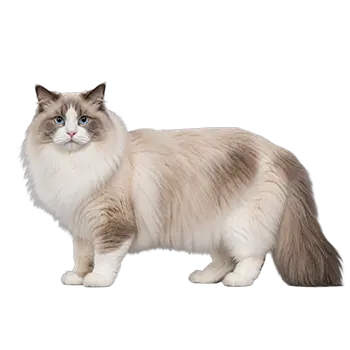

The Ragamuffin has had a relatively modest presence in film and television compared to more widely recognized breeds like the Persian or Siamese. However, its plush appearance and exceptionally cooperative temperament have made it a quiet favorite among animal trainers working in the entertainment industry. The breed's willingness to remain calm under bright studio lights and in the presence of large crews makes it well suited to on-set work, even if it is rarely identified by breed name in credits or promotional materials.
When large, fluffy cats are called for in television productions, Ragamuffins and their Ragdoll relatives are frequently among the candidates considered by animal coordinators. Their tendency to go limp when held translates well on camera, creating the impression of a perfectly relaxed and contented cat that audiences find irresistible. This natural ease in front of the camera has led to Ragamuffins appearing as background or featured pets in a number of domestic-life scenes across various television series.
Documentary and educational programming about cat breeds has provided the Ragamuffin with some of its most direct media exposure. Breed-profile segments on animal-focused cable channels and streaming platforms have introduced the Ragamuffin to audiences unfamiliar with the breed, typically highlighting its gentle temperament, teddy-bear appearance, and interesting origin story. These segments often spark temporary surges of interest from prospective cat owners.
The breed's relative obscurity in mainstream entertainment has been viewed by some enthusiasts as a mixed blessing. While greater visibility could help more people discover the Ragamuffin's wonderful qualities, the breed community has also observed how sudden media-driven popularity can lead to irresponsible breeding and overwhelmed shelters — cautionary lessons drawn from the experiences of breeds that have been thrust into the spotlight by blockbuster films or viral moments.