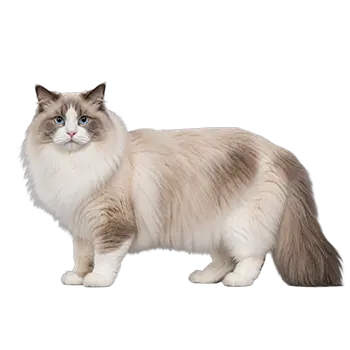

Breed-Specific Legislation

Unlike certain dog breeds that face widespread breed-specific legislation, domestic cat breeds such as the Ragamuffin are generally not subject to breed-based legal restrictions in most jurisdictions. Breed-specific legislation for cats tends to focus on wild or hybrid breeds — such as Bengals, Savannahs, and other cats with recent wild ancestry — rather than fully domesticated breeds like the Ragamuffin. Ragamuffin owners can take comfort in the fact that their breed is unlikely to encounter the kind of targeted legal restrictions that affect some of their canine counterparts.

However, cat owners should remain aware that general animal control ordinances can still affect their Ragamuffin's daily life. Many municipalities have enacted laws limiting the number of cats a household may keep, requiring cats to be kept indoors or on the owner's property, or mandating spay and neuter procedures for pet cats. These laws apply to all domestic cats regardless of breed and are intended to address concerns about feral cat populations, wildlife predation, and neighborhood nuisance complaints.

Some jurisdictions have implemented mandatory microchipping or registration requirements for all cats, including pedigreed breeds like the Ragamuffin. These requirements are designed to facilitate the return of lost pets and to maintain accountability for pet ownership. Ragamuffin owners should check their local ordinances to determine whether their area has such requirements and ensure they are in compliance.

The legal landscape surrounding cat ownership continues to evolve, with new legislation being proposed at local, state, and national levels on a regular basis. Ragamuffin owners and breeders are encouraged to stay informed about legislative developments in their area and to participate in public comment periods when proposed laws could affect their ability to own or breed cats responsibly.

Ownership Requirements

Owning a Ragamuffin involves navigating a variety of legal requirements that apply broadly to cat ownership. Most jurisdictions require pet cats to be current on rabies vaccinations, and many also require proof of vaccination to be maintained and available for inspection. Some areas mandate additional vaccinations or health certificates, particularly if the cat is being transported across state lines or international borders.

Licensing and registration requirements vary significantly by location. Some cities and counties require all cats to be licensed annually, with fees that may differ based on whether the cat is spayed or neutered. Other jurisdictions have no cat licensing requirements at all. Ragamuffin owners should consult their local animal control agency to determine what, if any, licensing obligations apply in their area.

For those who purchase a Ragamuffin from a breeder, the sales contract itself carries legal weight. Reputable Ragamuffin breeders typically include spay and neuter clauses for pet-quality kittens, health guarantees with specific terms and conditions, and return-to-breeder provisions. Buyers should review these contracts carefully and understand their rights and obligations before signing, as these agreements are generally enforceable under contract law.

Tenant cat owners face additional considerations. While an increasing number of jurisdictions have enacted laws prohibiting blanket pet bans in rental housing, landlords often retain the right to impose pet deposits, monthly pet fees, or breed and size restrictions. Ragamuffin owners who rent should review their lease agreements carefully, communicate openly with landlords, and document their cat's temperament and care routine to help facilitate a positive landlord-tenant relationship.

Liability & Insurance

Cat owners carry a legal responsibility for any damage or injury their pet may cause, and Ragamuffin owners are no exception. While the Ragamuffin's gentle and docile temperament makes incidents involving aggression extremely rare, liability can also arise from property damage, allergic reactions in visitors, or accidents caused by a cat that has escaped outdoors. Understanding the basics of pet-owner liability can help Ragamuffin owners protect themselves and others.

Homeowners' and renters' insurance policies typically provide some coverage for pet-related incidents, but the extent of coverage varies widely between insurers and policy types. Some policies include pet liability coverage as a standard feature, while others require it to be added as a rider or endorsement. Ragamuffin owners should review their insurance policies to understand what coverage they have and consider supplemental pet liability insurance if their existing coverage is insufficient.

The legal standard for pet-owner liability varies by jurisdiction. Some areas follow a strict liability standard, holding owners responsible for any damage their pet causes regardless of the owner's knowledge or precautions. Others apply a negligence standard, requiring proof that the owner failed to exercise reasonable care. A few jurisdictions maintain a "one-bite rule" or similar provision that shields owners from liability for a first incident if they had no reason to expect their pet to cause harm.

Breeders face additional liability considerations related to the kittens they produce and sell. Health guarantees, genetic testing disclosures, and the accuracy of pedigree information can all become the subject of legal disputes if a buyer feels they have been misled or if a kitten develops a serious health condition. Reputable Ragamuffin breeders mitigate these risks through comprehensive health testing, transparent communication, and well-drafted sales contracts that clearly outline the responsibilities of both parties.

Housing Restrictions

Housing restrictions represent one of the most common legal challenges faced by cat owners, including those with Ragamuffins. While federal fair housing laws provide protections for individuals who require emotional support animals or service animals, these protections do not extend to pets kept solely for companionship. As a result, Ragamuffin owners who rent their homes must navigate a patchwork of landlord policies, local ordinances, and lease provisions that govern whether and how they can keep their cat.

Many rental agreements include clauses that restrict pet ownership, impose weight or size limits, or require additional deposits and fees. The Ragamuffin's large size — males can exceed twenty pounds — may trigger size-based restrictions in some rental agreements, even though the breed's calm temperament makes it an ideal apartment cat. Owners should be prepared to provide information about the breed's characteristics and may benefit from obtaining a letter from their veterinarian describing the cat's temperament and health status.

Condominium and homeowners' association rules can also affect Ragamuffin ownership. Some associations limit the number of pets per unit, restrict pets to certain areas of the property, or require advance approval before a pet can be brought into the community. These rules are typically enforceable as part of the association's governing documents, and violations can result in fines or other penalties.

The trend in housing law has generally moved toward greater accommodation of pet owners, reflecting the growing recognition of the important role that companion animals play in mental and physical health. Several states and cities have enacted laws limiting the size of pet deposits, prohibiting breed-based discrimination in rental housing for cats, or requiring landlords to allow pets in certain categories of housing. Ragamuffin owners should stay informed about the laws in their jurisdiction and advocate for pet-friendly housing policies when opportunities arise.

Import & Export Regulations

International travel and relocation with a Ragamuffin requires careful attention to import and export regulations, which vary significantly from country to country. Most countries require an international health certificate issued by a licensed veterinarian within a specified timeframe before travel, proof of current rabies vaccination, and in some cases, additional vaccinations or health screenings. The specific requirements can change with little notice, so owners should always verify current regulations well in advance of planned travel.

The European Union maintains a standardized pet passport system that simplifies travel between member states for cats with proper documentation. To enter the EU with a Ragamuffin, owners typically need to ensure the cat is microchipped with an ISO-compliant transponder, has a current rabies vaccination administered after the microchip was implanted, and possesses a valid EU health certificate. Some EU countries impose additional requirements, such as tapeworm treatment within a specified period before entry.

Countries with strict biosecurity regimes, such as Australia, New Zealand, and the United Kingdom, impose more rigorous import requirements that may include extended quarantine periods, additional laboratory testing, and lengthy pre-approval processes. Australia, in particular, requires cats to undergo a minimum ten-day quarantine upon arrival, and the import process can take six months or more from start to finish. Owners planning to relocate to these countries with a Ragamuffin should begin the process well in advance and consider working with a professional pet relocation service.

Breeder-specific regulations also come into play when Ragamuffins are sold or transferred across international borders. Some countries require commercial import permits for pedigreed cats, and breeders may need to comply with CITES documentation requirements in certain circumstances. Export health certificates, pedigree verification, and breed registration transfers all require coordination between breeders, registries, and government veterinary authorities in both the sending and receiving countries.

Rescue & Shelter Law

The legal framework governing cat rescue and shelter operations affects Ragamuffins that enter the shelter system or are placed through breed-specific rescue organizations. While Ragamuffins appear in shelters less frequently than mixed-breed cats, they do occasionally find their way into rescue through owner surrenders, breeder closures, or hoarding situations. Understanding the legal landscape of animal rescue can help Ragamuffin enthusiasts navigate the adoption process and support rescue efforts effectively.

Animal shelters and rescue organizations operate under a complex web of state and local laws that govern holding periods, adoption procedures, veterinary care standards, and euthanasia policies. Most jurisdictions require shelters to hold stray animals for a specified period — typically three to seven days — before they can be made available for adoption or transferred to rescue organizations. During this holding period, the cat's owner has the legal right to reclaim the animal, usually upon payment of impound fees and provision of proof of ownership.

Breed-specific rescue organizations that focus on Ragamuffins and related breeds operate as private entities, typically organized as nonprofit corporations or under the umbrella of larger rescue networks. These organizations are subject to the same state and federal regulations that govern other nonprofits, including requirements for financial transparency, proper record-keeping, and compliance with charitable solicitation laws. Volunteers and supporters should verify that any rescue organization they work with is properly registered and in good standing with relevant regulatory authorities.

Adoption contracts used by rescue organizations carry legal significance similar to breeder sales contracts. These agreements typically include spay and neuter requirements, home visit provisions, and return-to-rescue clauses that obligate the adopter to return the cat to the rescue rather than surrender it to a shelter if they can no longer provide care. Prospective adopters should review these contracts carefully and understand the ongoing obligations they entail before finalizing an adoption.

Always consult a qualified professional before making any health-related decisions. This content is provided for informational reference only and should not replace professional guidance specific to your animal.