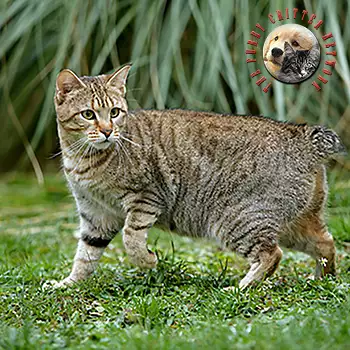

The Pixie-Bob has not achieved the same level of film and television recognition as breeds like the Siamese or Persian, largely because of its relative rarity and its recent development as a pedigreed breed. However, the breed's striking wild appearance has made it an occasional choice for productions seeking a cat that looks exotic without requiring the use of an actual wild or hybrid animal. When a script calls for a cat with a rugged, outdoorsy look, the Pixie-Bob's bobcat-like features and calm on-set temperament make it a practical option for animal trainers.
Television programs focused on cat breeds and the cat fancy have featured the Pixie-Bob in segments highlighting unusual or lesser-known breeds. These appearances typically emphasize the breed's origin story, its polydactyl trait, and its dog-like personality, presenting the Pixie-Bob as a breed that defies common expectations about cat behavior. Such programs have been valuable in introducing the breed to viewers who may not have encountered it otherwise.
Documentary content about rare cat breeds and the cat fancy subculture has also given the Pixie-Bob screen time. These productions tend to focus on the breed's Pacific Northwest roots and the dedication of its small breeder community, framing the Pixie-Bob as a breed with a compelling backstory that sets it apart from more commercially popular breeds.
As streaming platforms have expanded the market for niche pet content, the Pixie-Bob has appeared in online video series and short-form documentaries that explore the diversity of the domestic cat world. These digital productions reach global audiences and have contributed to growing international awareness of the breed.