
Hybrid Classification Issues

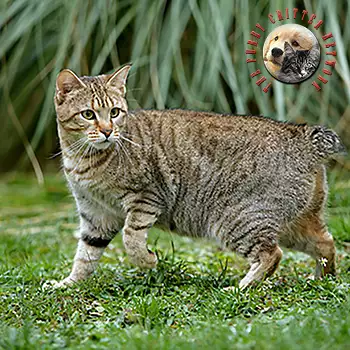
The most significant legal consideration for Pixie-Bob owners involves the breed's frequent misclassification as a wild hybrid. Because the Pixie-Bob's origin story references a possible bobcat ancestry and the breed's physical appearance closely resembles a wild cat, some jurisdictions and regulatory bodies have mistakenly categorized the Pixie-Bob alongside actual hybrid breeds like the Bengal or Savannah. This misclassification can subject Pixie-Bob owners to restrictions that were not intended to apply to fully domestic cats.

Major cat registries including TICA classify the Pixie-Bob as a domestic breed with no wild blood. DNA testing has consistently failed to confirm any bobcat genetics in the breed's lineage, and the breed standard explicitly describes the Pixie-Bob as a domestic cat selected for a wild appearance. Despite this, the persistent cultural association between the Pixie-Bob and the bobcat means that owners may need to provide documentation of the breed's domestic status when dealing with animal control officers, landlords, or insurance companies.

Owners who encounter classification problems are generally advised to keep registration papers, pedigree documents, and a copy of the TICA breed standard readily available. A letter from a veterinarian confirming the cat's domestic status can also be helpful. Breed clubs have developed informational packets specifically to address this issue, and experienced breeders routinely counsel new owners about the possibility of misclassification and how to handle it.

Prospective Pixie-Bob owners in jurisdictions with hybrid cat restrictions should research local laws carefully before acquiring a cat. While the Pixie-Bob should not be subject to hybrid regulations, enforcement can vary, and it is the owner's responsibility to understand and comply with local animal control ordinances.

Ownership Requirements

In most jurisdictions across the United States and Canada, Pixie-Bob ownership is subject to the same general requirements that apply to all domestic cats. These typically include licensing or registration with local animal control, compliance with rabies vaccination mandates, and adherence to local leash laws or containment ordinances where they exist. Because the Pixie-Bob is classified as a domestic breed, no special permits or exotic animal licenses are required under most circumstances.

Some municipalities have enacted cat-specific ordinances that affect all breeds, including limits on the number of cats that may be kept in a single household, mandatory microchipping requirements, and spay-neuter mandates for cats that are not part of a registered breeding program. Pixie-Bob owners should familiarize themselves with these local regulations, as noncompliance can result in fines or, in extreme cases, seizure of the animal.

Breeders face additional regulatory requirements that vary by state and municipality. These may include kennel or cattery licenses, facility inspections, record-keeping obligations, and compliance with consumer protection laws governing the sale of animals. Some states require breeders to provide health guarantees and disclose genetic testing results to buyers. Reputable Pixie-Bob breeders typically exceed these minimum requirements as a matter of professional ethics.

For Pixie-Bob owners who also keep other pets, local multi-pet household ordinances may apply. Some jurisdictions set limits on the total number of animals allowed per residence, and owners who approach or exceed these limits may need to obtain a special permit or variance. Checking with local animal control before adding a Pixie-Bob to a multi-pet household is a prudent step.

Liability & Insurance

Cat owners in the United States generally face liability exposure if their pet causes injury to a person or damage to property. While cats are statistically far less likely than dogs to be the subject of liability claims, bites and scratches can lead to medical complications, and owners may be held responsible under negligence theories or, in some jurisdictions, strict liability statutes. Pixie-Bob owners should be aware of the liability framework in their state and take reasonable precautions to prevent incidents.

Homeowners and renters insurance policies typically provide some coverage for pet-related liability, but policies vary in their treatment of different animals. Because the Pixie-Bob is sometimes mistaken for a wild hybrid, owners may encounter questions from insurance underwriters about the breed's classification. Providing documentation of the breed's domestic status, including registration papers and veterinary records, can help resolve these inquiries and ensure that coverage is not denied or restricted based on a misunderstanding.

Some insurance companies maintain lists of excluded or restricted animal breeds, and while these lists primarily target dog breeds, a small number of insurers have extended restrictions to certain cat breeds they classify as wild hybrids. Pixie-Bob owners who encounter this issue should request a review of the breed's classification and provide supporting documentation from breed registries. If an insurer refuses to cover a Pixie-Bob, owners may need to shop for a policy with a company that has a more accurate understanding of domestic cat breeds.

Breeders carry additional liability considerations related to the sale and placement of kittens. Written contracts that clearly define health guarantees, return policies, and spay-neuter requirements can help protect both the breeder and the buyer in the event of a dispute. Many experienced Pixie-Bob breeders work with attorneys to develop contracts that comply with their state's consumer protection and animal sale laws.

Housing Restrictions

Rental housing presents one of the most common legal challenges for Pixie-Bob owners. Many landlords restrict or prohibit pets entirely, and those who allow cats may impose breed restrictions, weight limits, or additional pet deposits. The Pixie-Bob's large size and wild appearance can sometimes trigger landlord concerns, even though the breed's calm and sociable temperament makes it an excellent apartment cat. Prospective tenants should discuss the breed openly with landlords and be prepared to provide breed information and references from previous landlords.

Condominium and homeowners associations may also impose pet restrictions that affect Pixie-Bob owners. These restrictions are typically outlined in the association's covenants, conditions, and restrictions and may include limits on the number of pets, weight restrictions, or outright breed bans. While breed-specific restrictions for cats are less common than for dogs, the Pixie-Bob's occasional misclassification as a hybrid can create problems in communities with blanket bans on wild or hybrid animals.

Fair housing laws in the United States provide some protections for individuals who require emotional support animals or service animals, but these protections apply based on the owner's disability status and the animal's function, not on the breed itself. Owners who rely on a Pixie-Bob as an emotional support animal should be familiar with the documentation requirements and the limitations of fair housing protections in their jurisdiction.

For owners who are purchasing a home, reviewing the property's deed restrictions and any applicable HOA rules before closing is an important step. Restrictions on pets or specific animal types can be difficult or impossible to change after purchase, and discovering a pet prohibition after moving in can create a stressful and potentially costly situation.

Import & Export Regulations

Moving a Pixie-Bob across international borders requires compliance with the import and export regulations of both the origin and destination countries. Most countries require a veterinary health certificate issued within a specified window before travel, proof of current rabies vaccination, and in some cases additional testing or quarantine periods. The specific requirements vary widely by country and can change with little notice, so owners should begin researching regulations well in advance of any planned international move.

The European Union requires cats entering from non-EU countries to have a microchip, a valid rabies vaccination administered at least 21 days before entry, and an EU-formatted health certificate completed by an accredited veterinarian and endorsed by the appropriate government authority. Some EU member states impose additional requirements, such as tapeworm treatment within a specified period before arrival. Pixie-Bob owners planning a move to Europe should consult the destination country's official import requirements and allow ample time for the necessary veterinary procedures and paperwork.

Countries with rabies-free status, such as Australia, New Zealand, Japan, and the United Kingdom, generally impose stricter import requirements, including longer waiting periods after vaccination, blood titer testing, and in some cases mandatory quarantine upon arrival. These requirements exist to protect the destination country's animal population and are strictly enforced. Failure to comply can result in the cat being quarantined at the owner's expense or returned to the country of origin.

The Pixie-Bob's domestic classification generally means that it is not subject to the wildlife import restrictions that apply to actual wild cats or early-generation hybrids. However, owners should be prepared to provide documentation confirming the breed's domestic status if questioned by customs or agriculture officials. Carrying copies of the cat's registration papers and pedigree, along with a letter from the breed registry confirming the Pixie-Bob's classification as a domestic breed, can help smooth the import process.

Rescue & Adoption Law

Pixie-Bob cats occasionally enter the rescue and shelter system due to owner surrender, abandonment, or seizure by animal control. When this occurs, the cats are subject to the same shelter and rescue laws that apply to all domestic animals in the jurisdiction. These laws govern holding periods before an animal can be adopted or euthanized, stray animal processing procedures, and the rights of previous owners to reclaim their pets within a specified timeframe.

Breed-specific rescue organizations play an important role in the Pixie-Bob community by providing a safety net for cats that need to be rehomed. These organizations typically operate as nonprofits and are staffed by volunteers with breed expertise. They work with shelters to identify Pixie-Bobs and Pixie-Bob mixes that enter the system, arrange foster care, and screen prospective adopters to ensure good matches. The legal structure of these organizations varies, but most operate under state nonprofit laws and are subject to the same regulations that govern other animal rescue groups.

Adoption contracts used by rescue organizations and shelters typically include provisions requiring the adopter to spay or neuter the cat, provide veterinary care, and return the cat to the rescue if the adoption does not work out. These contracts are generally enforceable under contract law, and reputable rescues take them seriously as a tool for protecting the welfare of the animals they place.

For breeders, including a return clause in their kitten contracts is a common practice that helps keep Pixie-Bobs out of the shelter system entirely. Many breed clubs require their members to include such clauses as a condition of membership, and the Pixie-Bob community's relatively small size makes it feasible for breeders to maintain ongoing relationships with the families who own their cats. This network of breeder responsibility represents an informal but effective layer of protection that supplements the formal legal framework governing animal rescue and adoption.

Always consult a qualified professional before making any health-related decisions. This content is provided for informational reference only and should not replace professional guidance specific to your animal.