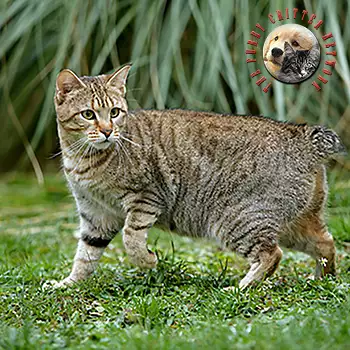

Pixie-Bobs are generally considered good car travelers compared to many cat breeds, thanks to their calm disposition and strong bond with their owners. However, even the most easygoing cat requires proper preparation and containment for safe car travel. A sturdy, well-ventilated carrier that is large enough for the cat to stand, turn around, and lie down comfortably is essential. Given the Pixie-Bob's above-average size, owners should look for carriers rated for cats up to 20 pounds, as standard-sized carriers may be too cramped for a large male.
The carrier should be secured in the vehicle with a seatbelt or placed on the floor behind a seat to prevent it from sliding or tipping during sudden stops. Never allow a cat to roam freely in a moving vehicle, as an unsecured cat can become a projectile in an accident or interfere with the driver's ability to operate the vehicle safely. Even Pixie-Bobs that seem perfectly relaxed outside a carrier should be contained while the car is in motion.
For longer road trips, plan regular stops to offer water and check on the cat's comfort. Most cats will not eat or use a litter box while the car is moving, but having both available during rest stops can help reduce stress. A small, portable litter pan and a familiar blanket or towel from home can make rest stops more comfortable and encourage the cat to relax. Keep the car at a moderate temperature and avoid leaving the cat unattended in a parked vehicle, as interior temperatures can rise to dangerous levels within minutes even on mild days.
Acclimating a Pixie-Bob to car travel from kittenhood can make a significant difference in how the cat handles trips as an adult. Short practice drives to pleasant destinations, combined with treats and calm reassurance, help build positive associations with the car. Breeders who show their cats often begin this conditioning process before kittens go to their new homes, giving show-bound Pixie-Bobs a head start on becoming confident travelers.