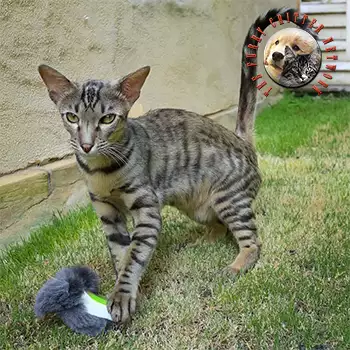

Origins & Development

The Oriental Longhair traces its ancestry directly to the Siamese cat, one of the oldest and most recognizable breeds in the world. During the mid-twentieth century, breeders in Britain began crossing Siamese cats with other breeds, including Russian Blues, British Shorthairs, and Abyssinians, to expand the range of available coat colors and patterns beyond the traditional pointed Siamese look. These crosses produced cats that retained the elegant, elongated body type of the Siamese but displayed a dazzling variety of solid, tabby, and tortoiseshell colors.

The longhaired variant emerged when breeders introduced the gene for longer fur into Oriental breeding lines. Early litters occasionally produced semi-longhaired kittens, and rather than discarding these from breeding programs, a number of dedicated fanciers recognized their beauty and began selectively breeding for the trait. Throughout the 1970s and 1980s, these efforts gained momentum in both the United Kingdom and the United States, with breeders working to establish a consistent type that combined the Oriental body with a silky, flowing coat.

The road to formal recognition was gradual. In Britain, the breed was initially grouped under various labels, including the Foreign Longhair and the Angora, which caused confusion with the Turkish Angora. Over time, breed registries settled on the name Oriental Longhair to clearly distinguish the breed from its Turkish counterpart and to align it with its shorthaired sibling. This naming convention helped solidify the breed's identity and allowed registries to develop a coherent set of standards.

By the 1990s, major cat registries around the world began granting the Oriental Longhair championship status. The Cat Fanciers' Association in the United States recognized the breed as a division of the Oriental group, while The International Cat Association and the Governing Council of the Cat Fancy in the United Kingdom each developed their own standards. These recognitions marked the breed's arrival as a fully established member of the pedigreed cat world.

Historical Roles

Unlike many dog breeds that were developed to perform specific working tasks, the Oriental Longhair was bred primarily as a companion animal. Its role throughout its relatively short history has centered on providing companionship, beauty, and personality to the households lucky enough to share space with one. The breed's intense social nature and desire for human interaction made it a natural fit for people who wanted an engaged, interactive pet rather than an independent, aloof cat.

In the early decades of Oriental breeding, these cats also served an important role within the cat fancy itself. Breeders used Oriental cats as outcrosses to introduce new colors into Siamese lines and to broaden the genetic diversity of several related breeds. The Oriental Longhair, in particular, helped breeders explore the interaction between the longhair gene and the wide palette of Oriental colors, contributing to a deeper understanding of feline coat genetics.

The breed also played a part in shifting public perceptions about what a pedigreed cat could look like. At a time when the cat fancy was dominated by a relatively small number of recognized colors and patterns, the Oriental Longhair demonstrated that elegance and refinement could come in virtually any color. This helped open the door for greater variety across many breeds and encouraged registries to accept a broader spectrum of appearances.

In therapeutic and emotional support contexts, the Oriental Longhair's attentive and vocal personality has made it a popular choice among owners seeking a deeply bonded companion. While not formally classified as a therapy breed, many owners report that their Oriental Longhairs provide a level of emotional engagement that rivals any purpose-bred support animal.

Cultural Symbolism

The Oriental Longhair carries much of the cultural mystique associated with its Siamese ancestry. Siamese and Siamese-derived cats have long been associated with elegance, mystery, and Eastern exoticism in Western culture, and the Oriental Longhair inherits a share of that allure. Its sleek, angular body and large, expressive ears give it a striking silhouette that has become synonymous with feline grace in the minds of many cat lovers.

In the broader culture of the cat fancy, the Oriental Longhair represents the idea that beauty is not limited to a single look. With over three hundred recognized color and pattern combinations, the breed stands as a living testament to genetic diversity and the creative possibilities of selective breeding. Fanciers often describe the breed as a work of art, with each individual cat offering a unique combination of color, pattern, and coat texture.

The breed's vocal nature has also contributed to its cultural identity. Oriental Longhairs are famously talkative cats, producing a wide range of sounds that owners often describe as conversational. This characteristic has endeared the breed to those who value a communicative pet and has become one of its most recognized traits in popular cat culture. Online communities frequently celebrate the breed's vocalizations, sharing videos and stories of their cats' elaborate vocal performances.

In some circles, the Oriental Longhair has become a symbol of the dedicated, passionate breeder. Because the breed requires careful attention to maintain its distinctive type while managing the longhair gene, breeding Oriental Longhairs is often seen as an advanced pursuit within the cat fancy. This reputation adds a layer of prestige to the breed and to those who work to preserve and improve it.

Breed Clubs & Standards

The Oriental Longhair is recognized by most major international cat registries, though the specifics of its classification and the standards applied to it vary from one organization to another. In the United States, the Cat Fanciers' Association classifies the Oriental Longhair within the broader Oriental breed group, which also includes the Oriental Shorthair. This grouping reflects the close genetic relationship between the two coat lengths and allows breeders to work across both varieties within a single program.

The International Cat Association recognizes the Oriental Longhair as a distinct breed and allows it to compete in championship classes. TICA's standard emphasizes the breed's tubular body, wedge-shaped head, and large, flared ears, along with a silky coat that lies close to the body without the dense undercoat seen in many other longhaired breeds. The standard calls for a coat that is fine in texture and medium in length, giving the cat an elegant, streamlined appearance rather than the fluffy look of breeds like the Persian.

In the United Kingdom, the breed's history with the Governing Council of the Cat Fancy has been somewhat more complicated due to early naming confusion with the Turkish Angora. The GCCF eventually established the Oriental Longhair as its own breed with its own registration policy, separate from both the Angora and the Oriental Shorthair. British breeders have been instrumental in developing and refining the breed, and UK breeding lines are highly regarded worldwide.

Breed clubs dedicated to Orientals, including both longhaired and shorthaired varieties, exist in many countries. These clubs serve as resources for breeders and owners, organizing shows, providing educational materials, and maintaining breeder directories. They also play a role in advocating for responsible breeding practices and in promoting the health and welfare of the breed. Many clubs maintain mentorship programs that pair experienced breeders with newcomers to help ensure that breeding practices remain ethical and informed.

The Breed Today

Today, the Oriental Longhair enjoys a devoted following among cat enthusiasts who appreciate its combination of striking appearance, intense personality, and deep capacity for bonding with humans. While it has never achieved the mainstream popularity of breeds like the Persian or the Maine Coon, the Oriental Longhair occupies a respected niche within the cat fancy and continues to attract new admirers each year.

Modern breeding programs focus on maintaining the breed's distinctive type while also prioritizing health and genetic diversity. Breeders work to avoid the pitfalls of excessive inbreeding, which can be a challenge in a breed with a relatively small gene pool. Many programs incorporate carefully planned outcrosses to Siamese and Oriental Shorthair lines to introduce fresh genetic material while preserving the breed's characteristic look and temperament.

The breed has benefited from the growth of online communities and social media, which have given Oriental Longhair owners and breeders a platform to share their passion with a global audience. Instagram accounts, YouTube channels, and Facebook groups dedicated to the breed have helped raise its profile and connect enthusiasts across geographic boundaries. These platforms have also made it easier for prospective owners to learn about the breed's unique needs and personality before committing to ownership.

Health awareness within the breed community has grown significantly in recent years. Breeders and owners are increasingly attuned to conditions that can affect Oriental-type cats, including cardiac issues and dental problems, and many breeding programs now incorporate regular health screening as a standard practice. This proactive approach to health management bodes well for the breed's long-term vitality and helps ensure that Oriental Longhairs continue to thrive as healthy, vibrant companions.

Notable Individuals

While the Oriental Longhair has not produced the kind of singular celebrity cats that some breeds can claim, a number of individual cats have made meaningful contributions to the breed's development and public recognition. Early breeding programs in the United Kingdom produced foundation cats whose influence can still be traced in modern pedigrees. These pioneering animals established the type and temperament that breeders continue to refine today, and their names appear repeatedly in the breed's historical records.

In the show ring, several Oriental Longhairs have achieved top honors at prestigious international cat shows, helping to demonstrate the breed's quality and raising its profile among judges and spectators alike. Grand champions and supreme winners in various registries have showcased the breed's remarkable range of colors and patterns, with individual cats earning recognition in colors ranging from solid ebony to shimmering silver tabby.

Social media has created a new kind of feline celebrity, and a handful of Oriental Longhairs have amassed significant followings on platforms like Instagram and TikTok. These cats, often celebrated for their dramatic vocalizations, striking appearance, or entertaining personalities, have introduced the breed to audiences who might never encounter one at a cat show. Their popularity has contributed to increased interest in the breed and has helped dispel misconceptions about what Oriental cats are like to live with.

Breed rescue organizations have also produced notable Oriental Longhairs whose stories have touched the hearts of the broader cat community. Cats rescued from difficult circumstances and successfully rehabilitated and rehomed have served as ambassadors for the breed and for the importance of breed-specific rescue efforts. These stories highlight both the resilience of the Oriental Longhair and the dedication of the volunteers who work to ensure that every cat finds a safe and loving home.

Always consult a qualified professional before making any health-related decisions. This content is provided for informational reference only and should not replace professional guidance specific to your animal.