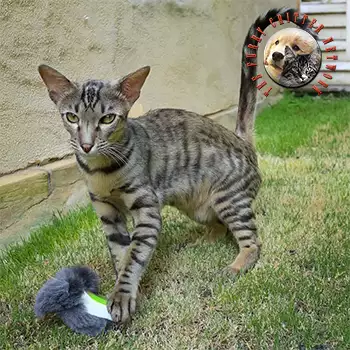

Breed-Specific Legislation

Unlike certain dog breeds that are frequently targeted by breed-specific legislation, the Oriental Longhair does not face any breed-specific bans or restrictions in any known jurisdiction. Cats as a species are generally exempt from the type of breed-focused regulatory frameworks that have been applied to dogs in many countries, states, and municipalities. This means that Oriental Longhair owners are unlikely to encounter legal obstacles related specifically to their cat's breed when choosing where to live or travel.

That said, cat owners should be aware that some jurisdictions have enacted broader animal control ordinances that apply to all cats regardless of breed. These may include mandatory registration requirements, limits on the number of cats that can be kept in a single household, and regulations governing free-roaming cats. While these laws do not single out the Oriental Longhair, they affect all cat owners and should be understood before acquiring any cat.

In some regions, there has been growing legislative interest in regulating cat breeding more broadly. Proposals have included mandatory breeder licensing, minimum standards for cattery facilities, and requirements for health testing of breeding animals. While these initiatives are not breed-specific, they are particularly relevant to Oriental Longhair breeders, who operate within a structured breeding community that values health and genetic diversity. Staying informed about proposed legislation in one's area is an important part of responsible breeding.

It is worth noting that the absence of breed-specific legislation for cats does not mean that all regulatory environments are equally permissive. Some localities have enacted strict animal welfare laws that impose significant obligations on all pet owners, including requirements for veterinary care, prohibitions on declawing, and mandates for microchipping. Oriental Longhair owners should familiarize themselves with the full scope of animal-related laws in their jurisdiction to ensure full compliance.

Ownership Requirements

The legal requirements for owning an Oriental Longhair vary widely depending on location but generally fall into categories common to all domestic cat ownership. Most jurisdictions require that cats be kept in a manner that does not constitute a nuisance to neighbors, which can include noise, odor, and property damage. Given the Oriental Longhair's notably vocal nature, owners in densely populated areas such as apartments or townhomes should be mindful of noise-related regulations and neighborly expectations.

Many municipalities require cat owners to register their pets with local animal control authorities. Registration typically involves providing proof of current rabies vaccination and may also require that the cat be microchipped. Some jurisdictions offer reduced registration fees for cats that have been spayed or neutered, reflecting a broader public policy goal of reducing the population of unwanted animals. Oriental Longhair owners who have acquired their cats through responsible breeders will often find that spay or neuter agreements are already part of their purchase contracts.

Licensing requirements for cat breeders are another important consideration. In an increasing number of jurisdictions, anyone who breeds cats for sale must obtain a breeder's license, maintain records of all transactions, and comply with facility standards. These requirements are designed to promote animal welfare and to combat unethical breeding practices. Oriental Longhair breeders should verify the licensing requirements in their area and ensure that they are operating in full compliance with all applicable laws.

Some regions also impose age restrictions on pet ownership, requiring that purchasers be at least eighteen years of age to acquire a cat independently. Sales regulations may also govern the venues through which cats can be sold, with some jurisdictions prohibiting the sale of cats in pet stores or requiring that retail pet sales be limited to animals sourced from shelters or licensed breeders. Understanding these regulations helps ensure that the acquisition of an Oriental Longhair is conducted lawfully and ethically.

Liability & Insurance

While cats are generally considered lower-liability pets than dogs, Oriental Longhair owners should still be aware of the legal principles that govern pet owner liability. In most jurisdictions, pet owners can be held responsible for injuries or property damage caused by their animals. This can include scratches or bites inflicted on visitors, damage to a neighbor's property, or injuries caused to other animals. The legal standard varies by jurisdiction, with some applying strict liability and others requiring proof of the owner's negligence or knowledge of the animal's dangerous propensities.

Homeowner's and renter's insurance policies typically provide some coverage for liability arising from pet ownership, but the extent of that coverage varies. Cat owners should review their policies carefully to understand what is and is not covered. Some policies exclude coverage for specific types of animal-related incidents, and others may impose conditions or limitations that affect the scope of protection available to the policyholder.

For Oriental Longhair breeders, liability considerations extend beyond the household. Breeders may face claims related to the health of kittens they have sold, particularly if a kitten is later found to have a genetic condition that the breeder knew or should have known about. Written contracts that clearly disclose health testing results, provide health guarantees, and outline the responsibilities of both buyer and seller can help manage this risk. Many experienced breeders also carry business liability insurance to protect against claims that might arise from their breeding activities.

Pet health insurance is a separate but related consideration. While not a legal requirement in any jurisdiction, pet insurance can provide important financial protection against unexpected veterinary expenses. Given that Oriental-type cats can be susceptible to certain hereditary health conditions, including cardiac and dental issues, insurance coverage can be a prudent investment. Owners should compare policies carefully, paying attention to exclusions for hereditary and congenital conditions, which are particularly relevant for pedigreed cats.

Housing Restrictions

Housing restrictions represent one of the most common legal challenges facing cat owners, including those with Oriental Longhairs. Many rental properties, condominiums, and homeowner associations impose rules that limit or prohibit pet ownership. These restrictions can include outright bans on cats, limits on the number of pets allowed, weight or size restrictions, and requirements for additional pet deposits or monthly pet rent.

For Oriental Longhair owners, the breed's vocal nature can be a particular concern in multi-unit housing. While most housing restrictions do not target specific cat breeds, noise complaints from neighbors can trigger enforcement of general nuisance clauses in lease agreements or association rules. Owners living in close quarters should take proactive steps to manage their cat's vocalizations and maintain positive relationships with neighbors to avoid potential disputes.

Prospective Oriental Longhair owners who rent their homes should always review their lease agreements carefully before acquiring a cat. Many landlords require written notification and consent before a pet can be brought into the property, and failure to comply with these requirements can result in penalties up to and including eviction. In jurisdictions with pet-friendly housing ordinances, tenants may have additional protections, but these laws vary significantly and should be researched carefully.

For breeders, housing restrictions can be particularly challenging. Operating a cattery from a residential property may require special zoning permits, compliance with home-based business regulations, and adherence to limits on the number of animals that can be kept on the premises. Breeders should consult local zoning authorities and, if applicable, their homeowner association rules before establishing a breeding program to ensure that their activities are legally permissible.

Import & Export Regulations

International movement of Oriental Longhairs is governed by a complex web of import and export regulations that vary from country to country. At a minimum, most countries require an international health certificate issued by a licensed veterinarian, proof of current rabies vaccination, and a microchip for identification. Some countries impose additional requirements, including quarantine periods, blood tests to verify rabies antibody titers, and treatment for specific parasites.

The European Union maintains a standardized pet passport system that facilitates travel with cats between member states, but entry into the EU from non-member countries is subject to additional requirements that depend on the country of origin. Cats entering the EU from countries not classified as having a favorable rabies status may be required to undergo rabies antibody titer testing at least thirty days after vaccination and at least three months before travel. These timelines can be significant for owners who are planning international relocations or who wish to exhibit their cats at shows abroad.

Australia and New Zealand maintain some of the strictest import requirements in the world. Cats entering these countries are typically subject to extended quarantine periods and must meet a lengthy list of health and documentation requirements. The process can take many months of advance planning, and the costs associated with compliance can be substantial. Owners considering relocation to these countries should begin the import process well in advance and work with a professional pet transport service experienced in navigating these requirements.

For breeders who engage in international trade, export regulations are equally important. Many countries require export permits, health inspections, and compliance with the Convention on International Trade in Endangered Species, which, while primarily focused on wild animals, can affect the paperwork required for shipping pedigreed cats. Breeders should also be aware of the importing country's requirements, as failure to meet those requirements can result in the cat being denied entry, quarantined at the owner's expense, or returned to the country of origin.

Rescue & Shelter Law

Rescue and shelter laws affect Oriental Longhair owners and breeders in several important ways. Most jurisdictions require that stray or surrendered cats be held by shelters for a minimum period before they can be adopted out, euthanized, or transferred to rescue organizations. These holding periods are designed to give owners an opportunity to reclaim lost pets and vary in length from a few days to several weeks depending on local law.

Breed-specific rescue organizations play a vital role in the Oriental Longhair community. These groups take in Oriental-type cats that have been surrendered by their owners, found as strays, or transferred from shelters, and work to place them in appropriate homes. The legal framework governing rescue organizations varies by jurisdiction but typically requires that they register with state or local authorities, maintain records of all animals in their care, and comply with standards for housing, veterinary care, and adoption procedures.

For breeders, contractual provisions regarding the return of cats are an important aspect of responsible breeding practice and can intersect with rescue and shelter law. Many Oriental Longhair breeders include clauses in their sales contracts requiring that if the buyer can no longer keep the cat, it must be returned to the breeder rather than surrendered to a shelter. These contractual arrangements help ensure that cats of known breeding remain within the breed community and are placed in homes that understand their specific needs.

Adoption from shelters and rescue organizations is subject to its own set of legal considerations. Adoption contracts typically include provisions for spaying or neutering, veterinary care, and the return of the animal if the adoption does not work out. Some jurisdictions have enacted laws that require shelters to disclose known health and behavioral information about animals available for adoption, which is particularly relevant for prospective owners seeking a specific breed through rescue channels. Understanding these legal requirements helps ensure that the adoption process is transparent, fair, and focused on the welfare of the cat.

Always consult a qualified professional before making any health-related decisions. This content is provided for informational reference only and should not replace professional guidance specific to your animal.