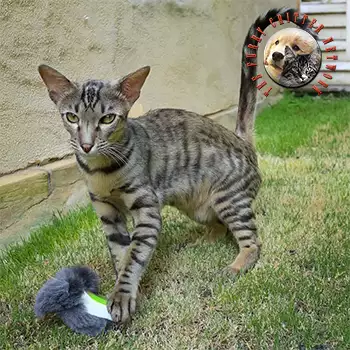

Film & Television

The Oriental Longhair has not been a dominant presence in mainstream film and television, but its striking appearance has earned it occasional screen time, often in roles that call for an exotic or visually arresting cat. When filmmakers and television producers need a feline that conveys elegance, mystery, or otherworldly beauty, the Oriental type is a natural choice. The breed's angular features, large ears, and flowing coat give it a photogenic quality that translates well to the screen.

In many cases, Oriental-type cats appearing on screen are identified broadly as Siamese or simply as exotic cats, without specific breed attribution. This is partly because the Oriental Longhair remains less well known to general audiences than its Siamese cousin, and partly because the entertainment industry tends to favor recognizable breed names over precise identification. Nonetheless, knowledgeable viewers can often spot Oriental Longhairs or their close relatives in background roles, commercials, and television segments about unusual or beautiful cat breeds.

Documentary programming has given the Oriental Longhair more specific attention. Breed-focused segments on animal-themed television shows and streaming specials have highlighted the breed's unique characteristics, often emphasizing its vocal nature, social behavior, and the remarkable diversity of its coat colors. These appearances have helped educate viewers about what distinguishes the Oriental Longhair from other breeds and have contributed to growing interest among prospective cat owners.

The breed's dramatic personality also makes it a natural subject for reality-style pet programming. Shows that feature cats with outsized personalities or unusual behaviors have occasionally showcased Oriental Longhairs, whose tendency to vocalize, follow their owners around the house, and demand attention provides entertaining and relatable content for cat-loving audiences.

Literature & Art

In literature, Oriental-type cats have long served as symbols of grace, intelligence, and enigmatic beauty. While specific references to the Oriental Longhair by name are relatively uncommon in classic literature, the broader family of Siamese and Oriental cats has inspired countless authors and artists over the decades. Books about cat breeds frequently devote chapters to the Oriental group, praising their elegance and discussing their development with a level of detail that reflects the fascination these cats inspire.

Cat fancy publications and breed-specific magazines have been an important platform for the Oriental Longhair in the world of print. Breeders and judges have contributed articles, essays, and opinion pieces exploring the breed's history, its ideal type, and the challenges and rewards of breeding and showing these cats. These publications serve as both historical record and ongoing conversation within the breed community, preserving knowledge that might otherwise be lost as founding breeders retire.

In the visual arts, the Oriental Longhair's distinctive silhouette has made it a popular subject for illustrators, painters, and photographers who specialize in animal portraiture. The breed's combination of angular lines and flowing fur presents an appealing artistic challenge, and many artists have captured the contrast between the cat's sleek body and its silky, plumed tail. Cat art exhibitions and online galleries frequently feature Oriental-type cats in styles ranging from photorealistic to abstract.

Children's books and illustrated guides to cat breeds have also helped introduce the Oriental Longhair to younger audiences. These publications typically emphasize the breed's playful, interactive nature and its wide variety of colors, making it an appealing subject for young readers who are drawn to cats with distinctive appearances and engaging personalities.

Internet & Social Media

The internet has been transformative for the Oriental Longhair's visibility. Where the breed once relied on cat shows and print publications to reach potential admirers, social media platforms have given Oriental Longhair owners and breeders direct access to a global audience. Instagram, TikTok, YouTube, and Facebook have all become important venues for showcasing the breed, and a number of individual Oriental Longhairs have developed substantial online followings.

The breed's vocal nature has proven to be one of its greatest assets in the social media era. Videos of Oriental Longhairs carrying on extended conversations with their owners, responding to questions with a range of meows, chirps, and trills, routinely attract hundreds of thousands of views. These clips have become a signature form of content for the breed and have introduced the Oriental Longhair to millions of people who might never encounter one in person. The hashtags associated with Oriental cats regularly trend within pet communities on multiple platforms.

Online forums and breed-specific groups have created virtual communities where Oriental Longhair enthusiasts can share advice, celebrate their cats, and connect with breeders. These groups range from casual owner communities to more technically focused breeder forums where genetics, health, and breeding strategy are discussed in depth. The accessibility of these communities has lowered the barriers to entry for new owners and has helped foster a sense of global fellowship among Oriental Longhair fanciers.

The breed has also benefited from the broader internet culture of cat appreciation. Memes, viral posts, and curated accounts dedicated to unusual or beautiful cats frequently feature Oriental-type cats, drawn by their dramatic looks and expressive faces. This organic exposure has helped normalize the breed's distinctive appearance for audiences who might initially find its angular features unfamiliar.

Advertising & Branding

The Oriental Longhair's sleek, sophisticated appearance has made it an occasional choice for advertising campaigns that seek to convey luxury, refinement, or exclusivity. In the world of commercial imagery, cats with angular features and flowing coats can communicate elegance in a single frame, and the Oriental Longhair fits this brief perfectly. While it has not achieved the ubiquity of breeds like the Persian or the British Shorthair in advertising, the Oriental Longhair appears periodically in campaigns for upscale products and lifestyle brands.

Pet industry advertising has been a more natural home for the breed. Premium cat food brands, grooming product companies, and luxury pet accessory lines have featured Oriental-type cats in their marketing materials, leveraging the breed's visual appeal to position their products as high-end. The breed's photogenic quality and its association with discerning, knowledgeable cat owners make it a compelling choice for brands targeting the enthusiast segment of the pet market.

Breed clubs and registries have also used the Oriental Longhair in promotional materials designed to attract new participants to the cat fancy. Show posters, registration brochures, and social media campaigns run by breed organizations frequently feature striking images of Oriental Longhairs in a range of colors, demonstrating the breed's diversity and beauty to prospective exhibitors and breeders.

The growing influence of pet influencers on social media has created a new channel for brand partnerships involving Oriental Longhairs. Cats with large followings are increasingly approached by pet product companies and lifestyle brands seeking authentic, engaging content that resonates with pet-owning audiences. Oriental Longhairs with established social media presences are well positioned to participate in this emerging economy, and several have already partnered with brands for sponsored content.

The Popularity Effect

Media exposure, whether through film, social media, or advertising, has a well-documented impact on breed popularity, and the Oriental Longhair is no exception to this dynamic. When the breed receives positive attention in any public forum, breeders typically report an uptick in inquiries from prospective owners. This effect can be both a blessing and a challenge, as increased demand must be balanced against the need for responsible breeding practices and the realities of a limited gene pool.

The social media era has amplified the popularity effect considerably. A single viral video of an Oriental Longhair engaging in charming behavior can generate thousands of inquiries almost overnight, putting pressure on breeders who may have limited litters available. Responsible breeders use this heightened interest as an opportunity to educate prospective owners about the breed's specific needs, including its high demand for social interaction, its vocal nature, and the grooming requirements of its silky coat.

Breed clubs and experienced breeders play an important role in managing the popularity cycle. By providing clear, accessible information about what it is really like to live with an Oriental Longhair, they help ensure that new owners are well prepared for the realities of the breed. This includes frank discussions about the breed's tendency toward separation anxiety, its need for mental stimulation, and the importance of regular veterinary care. Education is the most effective tool for ensuring that popularity translates into positive outcomes for the cats themselves.

The long-term trajectory of the Oriental Longhair's popularity appears stable. Unlike some breeds that experience dramatic spikes and crashes in demand driven by a single media event, the Oriental Longhair has grown its following gradually and organically. This steady growth, supported by a dedicated community of breeders and owners, suggests that the breed is well positioned to maintain its appeal for years to come without the negative consequences that can accompany sudden, unsustainable popularity.

Always consult a qualified professional before making any health-related decisions. This content is provided for informational reference only and should not replace professional guidance specific to your animal.