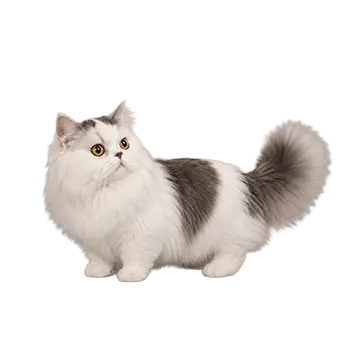

Like most cats, the Napoleon travels most safely in a secure carrier rather than loose in the vehicle. A well-ventilated, appropriately sized carrier protects the cat in the event of sudden stops and keeps it from interfering with the driver. Securing the carrier with a seatbelt adds an extra margin of safety.
Many cats find car travel stressful, and the Napoleon is no exception. Acclimating a cat gradually, by letting it explore the carrier at home and taking short practice drives, can ease anxiety over time. A familiar blanket or a recently worn item of clothing placed inside often provides reassuring scent comfort during the trip.
On longer journeys, plan for the basics: offer water during breaks, avoid feeding a large meal immediately before departure to reduce the chance of motion sickness, and keep the cabin at a comfortable temperature. As with any pet, a cat should never be left alone in a parked car, where temperatures can become dangerous very quickly.
The Napoleon's short legs make no meaningful difference to car travel, but its plush, sometimes long coat means owners should watch that the carrier stays well ventilated and that the cat does not overheat on warm days.