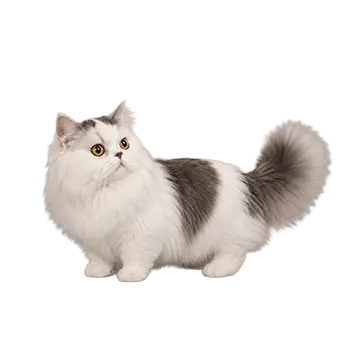

Cats & Breed-Specific Legislation

Breed-specific legislation, the body of law that restricts or bans particular animal types, is overwhelmingly aimed at dogs rather than cats. As a practical matter, owners of the Napoleon are very unlikely to encounter laws that target their cat because of its breed, and the breed is not subject to the kind of municipal bans sometimes applied to certain dog breeds.

Where regulation touches the Napoleon, it tends to operate through registry recognition and breeding standards rather than ownership bans. The International Cat Association recognizes the breed, while some other registries decline to register Munchkin-derived breeds over welfare concerns tied to the dwarfism trait. These are organizational policies rather than government laws, but they shape where and how the breed can be shown and registered.

A small number of jurisdictions around the world have debated or enacted broader animal-welfare rules concerning the deliberate breeding of animals for traits that may compromise health. Such measures are aimed at breeding practices generally rather than at the Napoleon by name, but they form part of the regulatory backdrop that responsible breeders watch. This page describes that landscape for information only and presents it without taking a position.

Ownership Requirements

For the vast majority of owners, there are no special legal requirements attached to keeping a Napoleon cat beyond the ordinary rules that apply to any pet cat. Cats are generally treated under local animal-welfare and nuisance laws rather than breed-specific regulation.

That said, requirements vary by location, and some municipalities ask cat owners to license or register their animals, much as dog owners must in many areas. A growing number of regions also require or encourage microchipping, and some have rules about the number of animals that may be kept in a single household. Checking local ordinances is the simplest way to confirm what applies.

Routine responsibilities such as rabies vaccination, where required by law, and basic identification apply to the Napoleon exactly as they would to any cat. None of these obligations are unusual, but they are worth confirming when moving to a new city or country. This information is general and not a substitute for checking current local regulations.

Liability & Insurance

Cats generally create far less liability exposure than dogs, and homeowner or renter insurance rarely treats a pet cat as a significant risk factor. Owning a Napoleon is unlikely to affect a household policy in the way that certain dog breeds sometimes do.

The more relevant form of insurance for many owners is pet health insurance. Because the breed's lineage carries some hereditary health considerations, prospective owners often weigh coverage carefully. Policies differ substantially in how they treat hereditary and congenital conditions, and some exclude conditions deemed pre-existing, so reading the terms closely matters.

When comparing pet insurance options, it helps to understand waiting periods, coverage caps, and whether breed-associated conditions are covered. None of this constitutes financial or legal advice; it is offered so that owners can ask informed questions and make their own decisions about whether and how to insure their cat.

Housing Restrictions

The legal issues most owners actually encounter tend to arise in housing. Rental agreements frequently include pet clauses that govern whether cats are permitted, how many, and what deposits or fees apply. Unlike with dogs, breed restrictions are rarely written into housing rules for cats, so the Napoleon's breed is seldom an obstacle in itself.

Landlords and property managers may still require pet deposits, monthly pet rent, or proof of vaccination, and homeowners' associations sometimes impose their own limits on the number of pets per unit. Reviewing these terms before signing a lease or moving into a managed community helps avoid surprises.

For owners who rent, keeping clear records of vaccinations and a history of responsible pet keeping can smooth conversations with landlords. As with other points on this page, specifics vary widely by jurisdiction and individual agreement, so the details of any particular lease should be confirmed directly.

Import & Export Regulations

Traveling internationally with a Napoleon brings the same paperwork and planning that applies to any cat crossing a border. Most countries require an up-to-date rabies vaccination, a microchip for identification, and an official health certificate issued by a veterinarian within a defined window before travel.

Requirements differ sharply from country to country. Some rabies-controlled or rabies-free destinations impose additional blood tests, waiting periods, or quarantine on arrival, and these rules can change. Owners planning an international move or trip should begin the process well in advance, because some steps must be completed months ahead of departure.

Airlines layer their own conditions on top of government rules, including carrier specifications and, in some cases, restrictions related to flat-faced breeds. Because the Napoleon descends from the Persian group, owners should confirm an airline's policy on snub-nosed cats before booking. This overview is informational; current requirements should always be verified with the relevant authorities and carrier.

Rescue, Welfare & Shelter Considerations

The welfare debate surrounding dwarf cats is the most distinctive legal and ethical dimension of the Napoleon. Because the breed's short legs come from a dwarfism trait, several major registries decline to recognize it, and animal-welfare advocates have raised questions about deliberately breeding for the characteristic. This page presents that debate factually and does not argue for or against any position.

Supporters of the breed emphasize responsible breeding and health screening, including testing for conditions associated with the parent lineages such as polycystic kidney disease, which is linked to Persian ancestry. They argue that careful, ethical breeding can produce healthy, active cats, and that the breed's welfare depends heavily on the standards of individual breeders.

Designer and pedigreed cats do sometimes end up in rescue or shelter situations when owners are unable to keep them, and breed-specific rescue networks exist to help rehome cats that need new homes. Prospective owners interested in the Napoleon can explore adoption as well as purchase, and supporting reputable rescue efforts is one way to bring a cat into a home responsibly.

Ultimately, the regulatory and welfare landscape around the Napoleon reflects a genuine, ongoing conversation within the cat world. The most constructive stance available to a prospective owner is an informed one: understanding the debate, asking breeders the right questions, and prioritizing the health and comfort of the individual cat.

Always consult a qualified professional before making any health-related decisions. This content is provided for informational reference only and should not replace professional guidance specific to your animal.