
Origins & Early Development

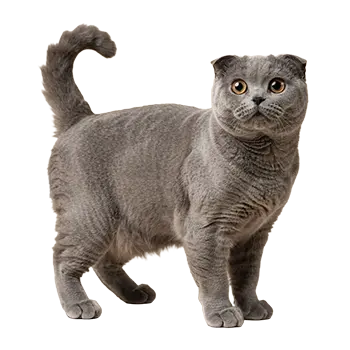
The Foldex is among the youngest recognized cat breeds in the world, with a history that traces back to the province of Quebec in the early 1990s. The breed emerged from deliberate crosses between Scottish Fold cats and Exotic Shorthairs, a pairing conceived by Canadian breeder Jeanne Barrette. Barrette's goal was to produce a cat that combined the Scottish Fold's distinctive folded ears with the Exotic Shorthair's rounded facial structure and dense, plush coat. The result was a compact, sweet-faced cat that looked like a living stuffed animal.

The initial crosses proved remarkably consistent. First-generation kittens displayed the desired folded ears alongside the broad, rounded head and short nose inherited from the Exotic Shorthair parent. Barrette and a small circle of fellow Quebec breeders recognized the potential for a new breed and began maintaining careful records of their pairings and offspring. These early litters established the phenotypic template that would become the breed standard: a medium-sized cat with a cobby body, large round eyes, and ears that folded forward and downward.

During the mid-1990s, the breeding program expanded modestly as additional catteries in Quebec took an interest. Breeders worked to stabilize the coat texture, body proportions, and ear fold while monitoring for the skeletal issues associated with the fold gene. The founding population was small, and maintaining genetic diversity required ongoing outcrosses to both Scottish Folds and Exotic Shorthairs. This careful management was essential to prevent the health problems that had plagued some fold-eared breeding programs elsewhere.

By the late 1990s, the Foldex had developed a recognizable identity distinct from either parent breed. Its personality combined the Scottish Fold's calm adaptability with the Exotic Shorthair's quiet affection, producing a temperament that breeders described as exceptionally gentle and people-oriented. The breed's rapid development from experimental cross to consistent type was a testament to the dedication of its founding breeders and the genetic compatibility of its two parent lines.

Path to Recognition

Formal recognition of the Foldex came through the Canadian Cat Association, which accepted the breed for experimental status in 2006. This milestone was the culmination of more than a decade of breeding records, health data, and standard development submitted by Quebec breeders. The CCA's willingness to evaluate the Foldex reflected a broader openness within the Canadian cat fancy to homegrown breeds that could demonstrate consistency across generations.

Achieving experimental status required breeders to present documented pedigrees spanning multiple generations, demonstrate that the breed reproduced true to type, and provide veterinary health records showing that the breeding population was free of disqualifying genetic conditions. The Foldex breeders met these requirements by leveraging the meticulous records they had kept since the program's inception. Their submissions included data on ear fold consistency, skeletal health screenings, and temperament evaluations across dozens of individuals.

The breed advanced to championship status with the CCA in 2010, making it eligible for full competition at CCA-sanctioned shows. This recognition was a significant moment for the small community of Foldex breeders, many of whom had invested years of effort and considerable expense into developing the breed. Championship status brought increased visibility, attracting new breeders and prospective owners who encountered the Foldex for the first time in the show ring.

Despite its CCA recognition, the Foldex remains unrecognized by several major international registries, including the Cat Fanciers' Association and The International Cat Association. The breed's reliance on the fold gene, which some registries view with caution due to associated cartilage concerns, has been a factor in this limited acceptance. Foldex breeders continue to advocate for broader recognition, arguing that responsible breeding practices and health screening protocols adequately manage the risks associated with the fold mutation.

Historical Roles & Influences

The Foldex was conceived entirely as a companion animal, and it has no historical working role in the traditional sense. Unlike breeds that evolved from barn cats, ship cats, or temple guardians, the Foldex was designed from its inception to be an ideal indoor pet. This purpose-driven breeding philosophy reflects a broader late-twentieth-century trend in the cat fancy toward developing breeds optimized for life in modern households.

The breed's two parent lines each brought their own historical baggage and appeal. The Scottish Fold, first documented in 1961 on a farm in Perthshire, Scotland, contributed the signature folded ears that give the Foldex its name and much of its visual identity. The Exotic Shorthair, developed in the 1960s as a short-coated alternative to the Persian, contributed the breed's rounded head, large eyes, and plush coat texture. By combining these two established breeds, the Foldex's creators drew on decades of prior breeding work while producing something genuinely new.

Within the Canadian cat fancy, the Foldex has served as a case study in responsible breed development. Breeders frequently cite the Foldex program as an example of how new breeds can be established with a focus on health and temperament rather than purely aesthetic goals. The breed's development coincided with growing public awareness of genetic health issues in purebred animals, and Foldex breeders positioned themselves as proponents of transparent health testing and ethical breeding practices.

The Foldex has also played a modest but meaningful role in revitalizing interest in the Canadian cat fancy. Quebec's cat breeding community, while historically active, had not produced a widely recognized breed before the Foldex. The breed's emergence gave Canadian breeders a homegrown breed to champion, fostering a sense of regional pride and encouraging participation in cat shows and breeding programs.

Cultural Significance

As a breed rooted in Quebec, the Foldex carries a distinctly Canadian cultural identity that sets it apart from the European and Asian origins of most pedigree cat breeds. Breeders and enthusiasts often emphasize the breed's Canadian heritage as a point of pride, positioning the Foldex alongside the Tonkinese as one of the few cat breeds developed primarily in Canada. This national identification gives the breed a cultural resonance that extends beyond its physical characteristics.

The Foldex's appearance has contributed to a broader cultural fascination with round-faced, folded-ear cats. The breed's resemblance to a teddy bear or a cartoon character taps into a widespread aesthetic preference for animals with juvenile, neotenous features. Large eyes, rounded heads, and small folded ears trigger a caregiving response in humans, and the Foldex embodies these traits more completely than almost any other cat breed. This visual appeal has made the breed a symbol of the designer pet trend that gained momentum in the late twentieth and early twenty-first centuries.

Within the cat fancy community, the Foldex occupies an interesting cultural position as a breed that straddles the boundary between established and experimental. Its CCA recognition gives it legitimacy in Canada, but its absence from major international registries means that it remains relatively unknown outside Canadian borders. This liminal status has fostered a tight-knit community of breeders and owners who feel a particular sense of stewardship over a breed that is still finding its place in the wider cat world.

The breed has also become a focal point in ongoing debates about the ethics of breeding for folded ears. Animal welfare advocates have raised concerns about the osteochondrodysplasia associated with the fold gene, and the Foldex's existence as a purpose-bred folded-ear cat places it squarely in this conversation. Foldex breeders have responded by emphasizing their commitment to fold-to-straight breeding practices and regular health screening, but the debate continues to shape public perceptions of the breed and its cultural standing.

Breed Clubs & Standards

The primary organizational home for the Foldex is the Canadian Cat Association, which maintains the breed standard and oversees registration. The CCA standard describes the ideal Foldex as a medium-sized cat with a rounded, cobby body, broad chest, and short, strong legs. The head should be round with full cheeks, a short nose, and large, round eyes set wide apart. The ears, when folded, should fit closely to the head and follow its rounded contour, though straight-eared Foldex cats are also registered and essential to the breeding program.

Breed-specific clubs for the Foldex remain small and largely concentrated in Quebec, reflecting the breed's geographic origins. These clubs serve as hubs for breeder education, mentorship, and the coordination of health testing protocols. They also organize breed showcases at regional cat shows, providing opportunities for breeders to present their cats and for prospective owners to meet the breed in person. The intimate scale of these organizations allows for close collaboration among members but also presents challenges in terms of outreach and institutional resilience.

The Foldex breed standard permits a wide range of coat colors and patterns, including solid, tabby, bicolor, calico, and pointed varieties. Both short and medium coat lengths are accepted, though the coat should always be dense and plush to the touch. This inclusive approach to color and pattern reflects the breed's mixed heritage and helps maintain genetic diversity by avoiding overly restrictive selection criteria that could narrow the gene pool.

Efforts to gain recognition from international registries have been ongoing but slow. Breeders have submitted applications and supporting documentation to organizations including TICA and the CFA, but the fold-ear controversy and the breed's small population have complicated these efforts. Some breeders have pursued registration with smaller or regional registries in Europe and Asia as stepping stones toward broader acceptance, and the breed has gained a modest following among fold-ear enthusiasts in France and Japan.

The Breed Today

The Foldex remains a niche breed with a devoted following concentrated primarily in Canada and, to a lesser extent, in parts of Europe and East Asia. Annual registration numbers with the CCA are modest compared to established breeds, but the Foldex has maintained a steady presence at Canadian cat shows since earning championship status. Breeders report consistent demand from prospective owners attracted by the breed's distinctive appearance and gentle temperament.

Modern Foldex breeding places heavy emphasis on health management. Responsible breeders screen for osteochondrodysplasia, polycystic kidney disease, and hypertrophic cardiomyopathy, all of which are potential concerns given the breed's Scottish Fold and Exotic Shorthair heritage. The standard practice of breeding fold-eared cats exclusively to straight-eared partners helps reduce the severity of cartilage and joint issues, and breeders maintain detailed health records that are shared within the breeding community.

The breed's popularity has grown incrementally through social media, where the Foldex's photogenic face and affectionate demeanor translate well to short video and photo content. Several Foldex cats have developed followings on platforms popular in Canada and francophone communities, helping to raise awareness of a breed that many cat enthusiasts have never encountered. This organic exposure has proven more effective than formal marketing in expanding the breed's reach.

Looking ahead, the Foldex community faces the dual challenge of growing the breed's population and recognition while maintaining the health standards and genetic diversity that its founders prioritized. The breed's long-term viability depends on attracting new, committed breeders who share the founding generation's emphasis on responsible practices. As public interest in companion animals continues to grow and as genetic testing tools become more accessible, the Foldex is well positioned to benefit from trends that favor transparency, health consciousness, and thoughtful breed stewardship.

Always consult a qualified professional before making any health-related decisions. This content is provided for informational reference only and should not replace professional guidance specific to your animal.