
Social Media Presence

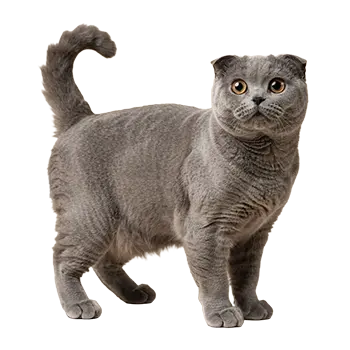
The Foldex owes much of its growing visibility outside Canada to social media platforms where its round face, large eyes, and folded ears make it exceptionally photogenic. The breed's teddy-bear appearance translates naturally to the visual formats that dominate platforms like Instagram, TikTok, and YouTube, and individual Foldex cats have accumulated followings that far exceed the breed's modest registration numbers. These online profiles typically showcase the breed's calm, affectionate personality through short videos of daily life, play sessions, and interactions with their owners.

Francophone social media communities have been particularly important in amplifying the Foldex's online presence. Because the breed originated in Quebec and its breeder community is heavily concentrated in French-speaking Canada, many of the earliest and most popular Foldex accounts operate in French. This has given the breed a strong foothold in francophone online spaces, including communities in France, Belgium, and Switzerland, where interest in the breed has grown partly through social media exposure.

The breed benefits from the broader internet fascination with fold-eared cats, a category that generates enormous engagement across all major platforms. While the Scottish Fold dominates this niche in terms of sheer numbers, the Foldex's rounder face and plush coat give it a distinct visual identity that dedicated cat enthusiasts learn to recognize. Breed-specific hashtags and fan pages help Foldex owners connect with each other and with prospective owners who discover the breed through algorithmic recommendations.

Social media has also served as an informal educational channel for the breed. Breeders use their platforms to share information about the Foldex's origins, health considerations, and care requirements, reaching audiences that might never attend a cat show or visit a breed club website. This direct communication between breeders and the public has helped counter misinformation about fold-eared cats and has given prospective owners access to detailed breed information that was previously available only through specialist publications.

The Fold-Ear Phenomenon in Popular Culture

The Foldex exists within a broader cultural phenomenon that has elevated fold-eared cats to a position of outsized popularity relative to their numbers. The global fascination with folded ears began with the Scottish Fold's rise to fame in the late twentieth century and has intensified dramatically in the age of social media. Celebrities, influencers, and viral content creators have helped make fold-eared cats among the most recognizable and sought-after feline types in the world, and the Foldex has benefited from this rising tide of interest.

The appeal of fold-eared cats is closely linked to the concept of neoteny, the retention of juvenile physical characteristics in adult animals. Folded ears, combined with large round eyes and a shortened muzzle, create a facial configuration that humans instinctively perceive as baby-like and endearing. Psychologists and animal behaviorists have noted that these features trigger strong nurturing responses, which helps explain why images and videos of fold-eared cats consistently outperform those of other breeds in terms of engagement metrics on social platforms.

This cultural popularity has brought both opportunities and challenges for the Foldex. On one hand, the widespread appeal of fold-eared cats has created a ready audience for the breed, making it easier for breeders to find suitable homes for kittens and to attract newcomers to the breeding community. On the other hand, the intense demand for fold-eared cats has fueled irresponsible breeding practices in some quarters, with unscrupulous sellers producing fold-to-fold crosses that carry serious health risks. Foldex breeders have been vocal in distinguishing their practices from these operations.

The fold-ear trend has also generated significant media coverage and public debate. Newspaper articles, television segments, and online features have explored the ethics of breeding for folded ears, the health implications of the fold gene, and the responsibilities of owners who choose fold-eared cats. The Foldex frequently appears in these discussions as an example of a breed that attempts to balance aesthetic appeal with health-conscious breeding, though opinions on whether this balance is achievable remain divided.

Photography & Visual Arts

The Foldex's distinctive appearance has made it a favorite subject among cat photographers and illustrators, particularly in Canada and France. Professional pet photographers have noted that the breed's round face, expressive eyes, and plush coat photograph exceptionally well under studio lighting, and several award-winning cat portraits have featured Foldex subjects. The breed's calm temperament also makes it cooperative during photo sessions, a practical advantage that photographers value highly.

In the world of cat show photography, the Foldex stands out for the contrast between its compact body and its alert, curious expression. Show photographers often capture the breed in moments of attentive stillness, emphasizing the round contours of the head and the neat fold of the ears against the skull. These images circulate widely within the cat fancy community and serve as visual benchmarks for breeders working to refine their lines toward the breed standard.

Digital artists and illustrators have drawn inspiration from the Foldex's cartoon-like proportions. The breed's exaggerated roundness and large eyes lend themselves naturally to stylized illustration, and Foldex-inspired characters appear in fan art, sticker sets, and digital merchandise. This artistic attention reinforces the breed's visual identity and introduces it to audiences who may not be familiar with the actual breed but are drawn to its aesthetic qualities.

The breed has also appeared in commercial photography for pet product brands, particularly those targeting the Canadian and francophone European markets. Advertisers favor the Foldex for the same reasons that make it popular on social media: its visually striking face and approachable demeanor convey warmth and appeal that translate effectively across advertising formats. These commercial appearances, while modest in number, contribute to the breed's gradual normalization in the public eye and help establish it as a recognizable presence beyond the cat fancy community.

Print & Broadcast Media

Coverage of the Foldex in traditional media has been limited but meaningful, concentrated largely in Canadian publications and broadcast outlets. Quebec-based newspapers and lifestyle magazines have published feature articles on the breed, typically framing it as a local success story and highlighting the dedication of the breeders who developed it. These pieces have introduced the Foldex to general audiences who might not follow the cat fancy but are interested in uniquely Canadian cultural products.

Canadian television programs focused on pets and animals have featured the Foldex in segments exploring unusual or lesser-known cat breeds. These appearances typically include interviews with breeders, footage of Foldex cats in home environments, and discussions of the breed's origins and characteristics. While the breed has not been the subject of a dedicated documentary, it has appeared in broader programs about the Canadian cat fancy and about the cultural phenomenon of designer cat breeds.

The breed receives periodic attention in cat fancy publications, including breed-specific magazines and the newsletters of organizations like the Canadian Cat Association. These outlets provide detailed coverage of Foldex show results, breeding achievements, and health research, serving a specialized audience of breeders and enthusiasts. Articles in these publications tend to be more technical than mainstream media coverage, addressing topics like genetic management, outcross strategies, and the ongoing effort to gain international registry recognition.

International media coverage of the Foldex has been sparse but is growing as the breed gains recognition outside Canada. French-language pet magazines have published profiles of the breed, and Japanese cat enthusiasts, who have a well-documented affinity for fold-eared breeds, have begun to take notice. Online pet media outlets have also covered the Foldex in listicles and breed guides, contributing to a slow but steady increase in the breed's global visibility.

Community & Fandom

The Foldex community is small, close-knit, and concentrated geographically, which gives it a character distinct from the fandoms surrounding more established breeds. Most Foldex owners and breeders know each other personally or through online groups, creating a sense of shared purpose and mutual support that larger breed communities sometimes lack. This intimacy fosters open communication about breeding decisions, health outcomes, and the challenges of promoting a niche breed.

Online forums and social media groups dedicated to the Foldex serve as the primary gathering places for the breed's enthusiasts. These groups, which operate in both French and English, provide spaces for owners to share photos and stories, for breeders to discuss health testing results and pedigree planning, and for prospective owners to ask questions and learn about the breed. The tone in these communities tends to be welcoming and educational, reflecting the breeders' awareness that every new owner is also a potential ambassador for the breed.

Cat shows sanctioned by the Canadian Cat Association are important social events for the Foldex community. These shows provide opportunities for breeders to present their cats, compare notes on breeding progress, and introduce the breed to judges and spectators who may be encountering it for the first time. The show ring serves as both a competitive venue and a promotional platform, and strong performances by Foldex cats at major CCA events have helped build the breed's reputation within the broader Canadian cat fancy.

The Foldex fandom also intersects with the larger community of fold-eared cat enthusiasts, which spans multiple breeds and countries. Owners of Scottish Folds, Highland Folds, and Foldex cats frequently interact in shared online spaces, exchanging information about fold-ear care, discussing the ethical dimensions of fold breeding, and celebrating the unique qualities of their respective breeds. This cross-breed solidarity has helped the Foldex gain exposure among audiences already predisposed to appreciate its defining physical trait.

Influence on Breed Perception

The Foldex's media presence, though modest in absolute terms, has had a measurable impact on how the breed is perceived by the public and by the cat fancy establishment. Social media exposure has transformed the Foldex from an obscure regional experiment into a breed that prospective cat owners actively seek out, and breeders report that a significant proportion of inquiries now come from people who first encountered the breed online rather than at a show or through a personal referral.

The breed's visual appeal has also influenced how people think about the relationship between aesthetics and ethics in animal breeding. Because the Foldex's most striking feature, its folded ears, is also the source of its most significant health concern, the breed inevitably prompts questions about the trade-offs involved in breeding for appearance. Media coverage of the Foldex often addresses this tension directly, and the breed has become a recurring reference point in articles and discussions about responsible breeding practices in the cat world.

Within the cat fancy, the Foldex's growing media profile has helped shift perceptions of what constitutes a legitimate breed. Some longtime fanciers initially dismissed the Foldex as a novelty cross rather than a true breed, but its consistent type across generations, its formal CCA recognition, and its increasing visibility have gradually earned it greater respect. The breed's media presence has played a role in this shift by demonstrating that the Foldex has a genuine following and a community committed to its long-term development.

The Foldex also contributes to a broader cultural conversation about the value of rare and emerging breeds. In an era when a handful of popular breeds dominate the pet market, the Foldex represents an alternative path: a breed developed with intention and care by a small group of dedicated breeders who prioritize quality over quantity. Media coverage that highlights this ethos helps position the Foldex as a breed for thoughtful, informed owners, which in turn shapes the type of people who seek it out and the standards to which its breeders are held.

Always consult a qualified professional before making any health-related decisions. This content is provided for informational reference only and should not replace professional guidance specific to your animal.