
Fold-Ear Breeding Restrictions

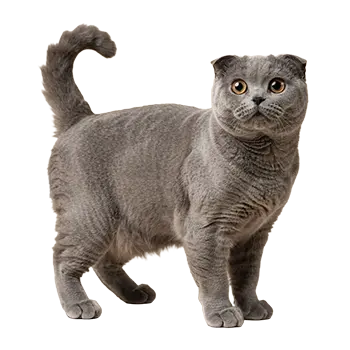
The most significant legal consideration affecting the Foldex is the growing number of jurisdictions that have restricted or banned the breeding of fold-eared cats. These restrictions are rooted in concerns about osteochondrodysplasia, a cartilage and bone disorder associated with the fold gene that can cause painful joint abnormalities. Legislative bodies and veterinary advisory councils in several countries have concluded that breeding for folded ears constitutes a form of harm to the animals involved, leading to regulatory action that directly impacts the Foldex breeding community.

Scotland, the birthplace of the Scottish Fold, has been at the center of this debate. The Scottish government has considered proposals to ban the breeding of fold-eared cats entirely, and the British Veterinary Association has publicly opposed the breeding of cats with folded ears on welfare grounds. While the Foldex is not specifically named in most of these proposals, any breed that carries the fold gene falls within the scope of such legislation. Breeders in Canada and elsewhere have watched these developments closely, recognizing that legal precedents set in Europe could influence regulatory thinking in other jurisdictions.

Belgium's Walloon region implemented a ban on breeding cats with visible fold ears, and similar restrictions exist or have been proposed in parts of Austria, Germany, and the Netherlands. These measures typically prohibit the deliberate breeding of animals with characteristics that are deemed likely to cause suffering, a category that regulatory bodies have interpreted to include the fold-ear mutation. The specific legal language varies by jurisdiction, but the practical effect is consistent: breeders in affected areas cannot produce fold-eared kittens without risking legal penalties.

Foldex breeders have responded to these regulatory trends with a combination of advocacy and adaptation. Many breeders emphasize their adherence to fold-to-straight breeding protocols, which pair fold-eared cats exclusively with straight-eared partners to reduce the incidence and severity of skeletal issues. They argue that responsible breeding practices can produce healthy fold-eared cats and that blanket bans fail to distinguish between ethical breeders and irresponsible ones. This argument has gained some traction in jurisdictions where legislators are open to nuanced regulatory approaches, but the overall trend toward restriction continues to pose a challenge for the breed's future.

Ownership & Registration Laws

In most jurisdictions where the Foldex is found, ownership of the breed is not subject to breed-specific legislation beyond the general regulations that apply to all domestic cats. Canadian provinces, where the majority of Foldex cats reside, require cat owners to comply with local bylaws regarding licensing, vaccination, and population control. Many municipalities mandate microchipping and spaying or neutering of pet cats, with exemptions available for registered breeders who maintain active breeding programs.

Registration of Foldex cats in Canada is handled primarily through the Canadian Cat Association, which maintains the breed's official studbook and issues pedigree documentation. CCA registration provides legal proof of a cat's breed identity and lineage, which can be important in disputes over breeding rights, ownership transfers, and insurance claims. Breeders are expected to register all kittens produced under their cattery name and to maintain accurate records of parentage and health testing.

In provinces that have implemented comprehensive animal welfare legislation, breeders must comply with standards governing the conditions in which cats are housed, bred, and sold. Quebec, where the Foldex originated, has animal welfare laws that set minimum requirements for space, sanitation, veterinary care, and socialization. Breeders who fail to meet these standards may face fines, loss of breeding privileges, or criminal charges under animal cruelty statutes. These regulations apply to all cat breeders regardless of breed but are particularly relevant to the Foldex community given its concentration in Quebec.

For owners who acquire Foldex cats through purchase or adoption, legal protections vary by jurisdiction. Some provinces have consumer protection laws that apply to the sale of companion animals, requiring sellers to provide health guarantees, vaccination records, and accurate breed identification. Buyers who receive cats with undisclosed health conditions or misrepresented pedigrees may have legal recourse through small claims courts or consumer protection agencies, though the practical challenges of pursuing such claims often discourage litigation.

Import & Export Regulations

Moving a Foldex cat across international borders involves compliance with a layered set of regulations governing animal health, identification, and welfare. Canada, as the breed's country of origin, requires that all cats leaving the country be accompanied by a veterinary health certificate issued within a specified timeframe before departure. This certificate must confirm that the cat is free of infectious disease, is current on core vaccinations including rabies, and is properly identified by microchip.

Importing a Foldex into the United States is relatively straightforward under current regulations. The U.S. Centers for Disease Control requires that all imported cats be healthy and free of evidence of communicable diseases. As of recent rule changes, cats entering the United States must have documentation of rabies vaccination and may be subject to additional requirements depending on the country of origin. Since Canada is classified as a low-risk country for rabies, Foldex cats traveling from Canada to the United States generally face fewer procedural hurdles than those coming from high-risk regions.

Importing a Foldex into European Union member states requires compliance with the EU pet passport system or equivalent documentation. Cats must be microchipped, vaccinated against rabies with a vaccine administered at least 21 days before travel, and accompanied by an EU-format health certificate issued by an authorized veterinarian. Some EU countries impose additional quarantine or testing requirements for animals arriving from non-EU countries, which can add weeks to the importation timeline. Prospective importers should also be aware that fold-ear breeding restrictions in certain EU jurisdictions may complicate the legal status of imported Foldex cats, particularly if the importer intends to breed.

Australia and New Zealand maintain some of the strictest animal importation regimes in the world. Both countries require extended quarantine periods for imported cats, along with extensive veterinary testing and documentation. The cost and complexity of importing a cat into these countries are substantial, and prospective Foldex owners in the region often find it more practical to seek out domestic breeders, though the breed's rarity outside North America makes this difficult. Japan, where fold-eared cats are enormously popular, has its own set of importation requirements including rabies antibody titer testing and a waiting period that must be completed before the cat's departure from the exporting country.

Breeder Contracts & Consumer Protections

The sale of Foldex kittens is typically governed by breeder contracts that establish the rights and obligations of both the seller and the buyer. These contracts are private agreements between the parties, but their enforceability depends on the laws of the jurisdiction in which the sale takes place. In Canada, breeder contracts are generally enforceable under provincial contract law, provided they meet the standard requirements of offer, acceptance, consideration, and legality of purpose.

A well-drafted Foldex breeder contract typically addresses several key areas. Health guarantees specify the duration and scope of the breeder's responsibility for genetic health conditions, often requiring the buyer to obtain a veterinary examination within a set number of days after taking possession. Spay and neuter clauses are nearly universal in pet-quality contracts, requiring the buyer to sterilize the cat by a specified age and often holding back registration papers until proof of sterilization is provided. Some contracts include return clauses obligating the buyer to offer the cat back to the breeder rather than surrendering it to a shelter if they can no longer keep it.

Breeding rights contracts, which govern the sale of cats intended for breeding programs, are more complex and carry higher purchase prices. These contracts typically specify the conditions under which the buyer may breed the cat, including requirements for health testing, adherence to fold-to-straight mating protocols, and registration of offspring with the CCA. Some breeding contracts include co-ownership provisions that give the original breeder a continuing interest in the cat and its progeny, which can create legal complications if the relationship between buyer and seller deteriorates.

Consumer protection laws provide an additional layer of legal recourse for Foldex buyers. In Quebec, the Consumer Protection Act applies to the sale of companion animals and prohibits misrepresentation of a product's qualities. A buyer who purchases a cat represented as a healthy, purebred Foldex and later discovers significant undisclosed health problems or fraudulent pedigree documentation may file a complaint with the Office de la protection du consommateur. Similar protections exist in other Canadian provinces, though the specific statutes and procedures vary. The practical value of these protections depends on the buyer's willingness to pursue a claim and the ability to document the seller's representations at the time of sale.

Animal Welfare Legislation

Animal welfare laws in Canada and other countries where the Foldex is found establish baseline standards for the care and treatment of domestic cats. These laws are relevant to Foldex owners and breeders in several ways, from setting minimum care requirements to defining the legal consequences of neglect or abuse. Federal, provincial, and municipal regulations may all apply, creating a layered regulatory environment that breeders must navigate carefully.

The Canadian Criminal Code includes provisions prohibiting animal cruelty, which apply to all domestic animals including Foldex cats. These provisions make it an offense to willfully cause unnecessary suffering to an animal, to neglect an animal in one's care, or to abandon an animal. Convictions under these provisions can result in fines, imprisonment, and lifetime bans on animal ownership. While criminal cruelty charges are relatively rare in the context of purebred cat breeding, they represent the most serious legal consequence for breeders who fail to meet basic standards of care.

Provincial animal welfare statutes in Quebec, Ontario, British Columbia, and other provinces provide more detailed regulatory frameworks for animal care. These laws typically establish standards for housing, nutrition, veterinary care, and socialization, and they empower provincial inspectors to investigate complaints, inspect breeding facilities, and issue orders requiring compliance. Quebec's Animal Welfare and Safety Act, which took effect in 2015, was among the most comprehensive animal welfare statutes enacted in Canada, imposing significant obligations on breeders and establishing substantial penalties for non-compliance.

The intersection of animal welfare law and breed-specific health concerns is particularly relevant for the Foldex. Because the fold gene can cause osteochondrodysplasia, breeders who produce kittens with severe skeletal abnormalities could potentially face scrutiny under welfare statutes if those kittens experience significant suffering. This legal exposure reinforces the importance of responsible breeding practices, including the consistent use of fold-to-straight pairings, regular health screening, and the willingness to retire breeding cats that produce offspring with health problems. Breeders who maintain high standards not only protect their cats but also reduce their own legal risk in an increasingly regulated environment.

Future Legal Landscape

The legal environment for fold-eared cat breeds is evolving rapidly, and Foldex breeders must stay informed about regulatory developments that could affect their operations. The trend toward restricting or banning the breeding of animals with characteristics deemed harmful is gaining momentum in Europe and has begun to influence policy discussions in other regions. While Canada has not yet enacted breed-specific breeding restrictions for cats, the possibility cannot be dismissed, particularly as veterinary organizations and animal welfare groups continue to raise concerns about the fold gene.

Several European countries are expected to review or strengthen their regulations on breeding animals with problematic physical traits in the coming years. Germany, the Netherlands, and Sweden have all signaled interest in expanding their existing animal welfare frameworks to address a broader range of breed-related health issues in both cats and dogs. These developments could create additional barriers to the international movement of Foldex cats and could reduce the pool of potential breeding partners available to Foldex breeders in affected countries.

In Canada, the conversation about breed-specific regulation has been less advanced but is not absent. Veterinary associations have published position statements on the welfare implications of breeding for extreme physical traits, and some animal welfare organizations have called for greater regulatory oversight of companion animal breeding in general. Whether these discussions will lead to specific restrictions on fold-eared cat breeds remains uncertain, but the Foldex community would be wise to engage proactively with legislators and regulators rather than waiting for proposals to emerge.

The Foldex breeding community has an opportunity to shape the legal narrative by demonstrating that responsible breeding practices can produce healthy fold-eared cats. Compiling and publishing health data, participating in veterinary research, and maintaining transparent breeding records all strengthen the case that breed-specific bans are unnecessary when breeders adhere to evidence-based protocols. Breeders who can show consistently good health outcomes in their lines are better positioned to argue for regulatory frameworks that hold breeders accountable for results rather than imposing blanket prohibitions on specific physical traits.

Always consult a qualified professional before making any health-related decisions. This content is provided for informational reference only and should not replace professional guidance specific to your animal.