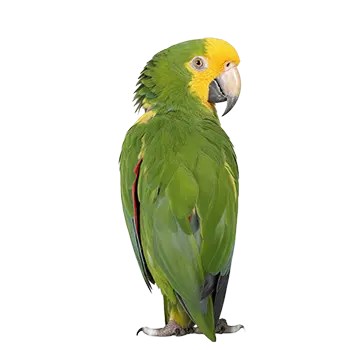

Successful travel with a Yellow-Crowned Amazon begins long before the day of departure. These parrots are creatures of routine, and disruptions to their environment, schedule, and social context can trigger significant stress responses, including feather-destructive behavior, loss of appetite, and increased aggression. Thorough preparation is the single most important factor in ensuring that a trip is safe and as low-stress as possible for both the bird and its owner.
The first step in preparing a Yellow-Crowned Amazon for travel is acclimating the bird to its travel carrier well in advance of the trip. Ideally, the carrier should be introduced weeks or even months before travel, placed in or near the bird's living area so that it becomes a familiar object rather than a source of alarm. Encouraging the bird to explore the carrier voluntarily, using favorite treats and toys as incentives, helps build positive associations. Short practice sessions inside the carrier, gradually increasing in duration, can further reduce anxiety when the time comes for actual travel.
A pre-travel veterinary examination is essential. An avian veterinarian should assess the bird's overall health, confirm that vaccinations and parasite treatments are current, and issue any health certificates or documentation required by the destination. For interstate travel within the United States, a Certificate of Veterinary Inspection, often called a health certificate, is typically required and must be issued within a specified window before departure. International travel imposes additional documentation requirements, which are discussed in detail in a later section.
Owners should also prepare a travel kit that includes all essentials for the bird's care during the journey. This kit should contain a supply of the bird's regular food, fresh water in a spill-resistant container, familiar toys or comfort items, a basic first-aid kit appropriate for birds, and any medications the bird takes regularly. Having these items organized and readily accessible can prevent scrambling during layovers, rest stops, or unexpected delays. Planning the bird's feeding and watering schedule around the travel itinerary helps maintain normalcy and reduces the risk of dehydration or digestive upset.