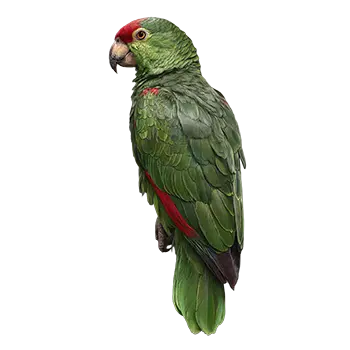
Crowned Amazons are generally hardy, robust parrots with excellent longevity potential when provided with proper care, though they are susceptible to several health conditions that owners must monitor throughout their lives. These long-lived birds require proactive preventive care and regular veterinary oversight to maintain optimal health across their 50-70 year lifespan.
Obesity and fatty liver disease represent the most common health concerns affecting captive Crowned Amazons, particularly those fed seed-based diets or excessive nuts and treats. Amazon parrots are prone to weight gain, and obesity predisposes birds to numerous secondary health problems including atherosclerosis, fatty liver disease, respiratory difficulties, and reduced lifespan. Psittacosis, caused by the bacteria Chlamydia psittaci, can affect Crowned Amazons and presents with respiratory symptoms, lethargy, lime-green droppings, and general illness requiring immediate veterinary intervention with antibiotic therapy. Aspergillosis, a fungal respiratory infection caused by inhaling spores from moldy food or damp environments, is particularly dangerous in Amazon parrots and can be difficult to diagnose and treat, often requiring months of antifungal medication. Feather plucking and self-mutilation occur in stressed, bored, or medically compromised Crowned Amazons, representing complex problems with medical, dietary, environmental, and psychological components that require comprehensive evaluation and intervention. Psittacine Beak and Feather Disease, caused by circovirus, affects Amazon parrots though less commonly than some other species, causing progressive feather and beak abnormalities without effective treatment. Vitamin A deficiency occurs in Amazons fed seed-based diets lacking fresh vegetables, leading to respiratory problems, poor immune function, and increased susceptibility to infections. Zinc toxicity can result from ingesting zinc-containing cage parts, toys, or hardware, causing neurological symptoms, gastrointestinal upset, and potentially death if untreated.
Preventive care forms the foundation of maintaining health in Crowned Amazons throughout their long lives. Regular veterinary checkups with an experienced avian veterinarian should occur at minimum annually for wellness exams including physical examination, weight monitoring, and potentially blood work to screen for organ function, vitamin levels, and early disease detection. Proper diet and nutrition cannot be overemphasized, with a varied diet based on high-quality pellets, abundant fresh vegetables, limited fruits, and minimal seeds and nuts preventing the majority of diet-related health problems including obesity and vitamin deficiencies. Environmental enrichment through diverse toys, foraging opportunities, flight exercise, and extensive social interaction prevents stress-related conditions including feather plucking, excessive vocalization, and aggressive behaviors. Cage cleanliness and regular sanitization of food bowls, water dishes, perches, and toys prevents bacterial and fungal growth that could compromise respiratory and digestive health. UV lighting or supervised outdoor exposure in appropriate weather enables natural vitamin D3 synthesis essential for calcium metabolism and overall health. Annual wellness exams even for apparently healthy birds allow early detection of subclinical conditions before they become serious, significantly improving treatment outcomes.
With consistent preventive care, species-appropriate diet, mental and physical enrichment, and prompt veterinary intervention when issues arise, Crowned Amazons regularly achieve lifespans of 50-70 years in captivity, with some exceptional individuals living even longer. The key to longevity is consistency in all aspects of care combined with vigilant observation for early signs of health problems and immediate action when concerns arise.
Crowned Amazons are generally hardy, robust parrots with excellent longevity potential when provided with proper care, though they are susceptible to several health conditions that owners must monitor throughout their lives. These long-lived birds require proactive preventive care and regular veterinary oversight to maintain optimal health across their 50-70 year lifespan.
Obesity and fatty liver disease represent the most common health concerns affecting captive Crowned Amazons, particularly those fed seed-based diets or excessive nuts and treats. Amazon parrots are prone to weight gain, and obesity predisposes birds to numerous secondary health problems including atherosclerosis, fatty liver disease, respiratory difficulties, and reduced lifespan. Psittacosis, caused by the bacteria Chlamydia psittaci, can affect Crowned Amazons and presents with respiratory symptoms, lethargy, lime-green droppings, and general illness requiring immediate veterinary intervention with antibiotic therapy. Aspergillosis, a fungal respiratory infection caused by inhaling spores from moldy food or damp environments, is particularly dangerous in Amazon parrots and can be difficult to diagnose and treat, often requiring months of antifungal medication. Feather plucking and self-mutilation occur in stressed, bored, or medically compromised Crowned Amazons, representing complex problems with medical, dietary, environmental, and psychological components that require comprehensive evaluation and intervention. Psittacine Beak and Feather Disease, caused by circovirus, affects Amazon parrots though less commonly than some other species, causing progressive feather and beak abnormalities without effective treatment. Vitamin A deficiency occurs in Amazons fed seed-based diets lacking fresh vegetables, leading to respiratory problems, poor immune function, and increased susceptibility to infections. Zinc toxicity can result from ingesting zinc-containing cage parts, toys, or hardware, causing neurological symptoms, gastrointestinal upset, and potentially death if untreated.
Preventive care forms the foundation of maintaining health in Crowned Amazons throughout their long lives. Regular veterinary checkups with an experienced avian veterinarian should occur at minimum annually for wellness exams including physical examination, weight monitoring, and potentially blood work to screen for organ function, vitamin levels, and early disease detection. Proper diet and nutrition cannot be overemphasized, with a varied diet based on high-quality pellets, abundant fresh vegetables, limited fruits, and minimal seeds and nuts preventing the majority of diet-related health problems including obesity and vitamin deficiencies. Environmental enrichment through diverse toys, foraging opportunities, flight exercise, and extensive social interaction prevents stress-related conditions including feather plucking, excessive vocalization, and aggressive behaviors. Cage cleanliness and regular sanitization of food bowls, water dishes, perches, and toys prevents bacterial and fungal growth that could compromise respiratory and digestive health. UV lighting or supervised outdoor exposure in appropriate weather enables natural vitamin D3 synthesis essential for calcium metabolism and overall health. Annual wellness exams even for apparently healthy birds allow early detection of subclinical conditions before they become serious, significantly improving treatment outcomes.
With consistent preventive care, species-appropriate diet, mental and physical enrichment, and prompt veterinary intervention when issues arise, Crowned Amazons regularly achieve lifespans of 50-70 years in captivity, with some exceptional individuals living even longer. The key to longevity is consistency in all aspects of care combined with vigilant observation for early signs of health problems and immediate action when concerns arise.
Common Health Issues
- Obesity and fatty liver disease represent the most common health concerns affecting captive Crowned Amazons - Particularly those fed seed-based diets or excessive nuts and treats.
- Amazon parrots are prone to weight gain - And obesity predisposes birds to numerous secondary health problems including atherosclerosis, fatty liver disease, respiratory difficulties, and reduced lifespan.
- Psittacosis, caused by the bacteria Chlamydia psittaci - Can affect Crowned Amazons and presents with respiratory symptoms, lethargy, lime-green droppings, and general illness requiring immediate veterinary intervention with antibiotic therapy.
- Aspergillosis, a fungal respiratory infection caused by inhaling spores from moldy food or damp environments - Is particularly dangerous in Amazon parrots and can be difficult to diagnose and treat, often requiring months of antifungal medication.
- Feather plucking and self-mutilation occur in stressed - Bored, or medically compromised Crowned Amazons, representing complex problems with medical, dietary, environmental, and psychological components that require comprehensive evaluation and intervention.
- Vitamin A deficiency occurs in Amazons fed seed-based diets lacking fresh vegetables - Leading to respiratory problems, poor immune function, and increased susceptibility to infections.
- Cage cleanliness and regular sanitization of food bowls - Water dishes, perches, and toys prevents bacterial and fungal growth that could compromise respiratory and digestive health.
Preventive Care & Health Monitoring
- These long-lived birds require proactive preventive care and regular veterinary oversight to maintain optimal health across their 50-70 year lifespan. - These long-lived birds require proactive preventive care and regular veterinary oversight to maintain optimal health across their 50-70 year lifespan.
- Vitamin A deficiency occurs in Amazons fed seed-based diets lacking fresh vegetables - Leading to respiratory problems, poor immune function, and increased susceptibility to infections.
- Regular veterinary checkups with an experienced avian veterinarian should occur at minimum annually for wellness exams including physical examination - Weight monitoring, and potentially blood work to screen for organ function, vitamin levels, and early disease detection.
- Proper diet and nutrition cannot be overemphasized - With a varied diet based on high-quality pellets, abundant fresh vegetables, limited fruits, and minimal seeds and nuts preventing the majority of diet-related health problems including obesity and vitamin deficiencies.
- Environmental enrichment through diverse toys - Foraging opportunities, flight exercise, and extensive social interaction prevents stress-related conditions including feather plucking, excessive vocalization, and aggressive behaviors.
- Cage cleanliness and regular sanitization of food bowls - Water dishes, perches, and toys prevents bacterial and fungal growth that could compromise respiratory and digestive health.