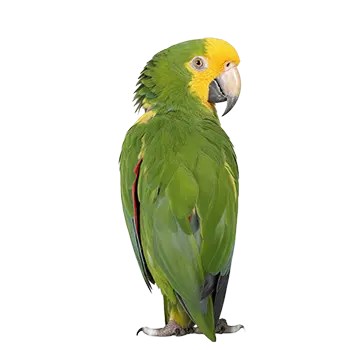

The Yellow-Crowned Amazon (Amazona ochrocephala) is subject to international trade regulations under the Convention on International Trade in Endangered Species of Wild Fauna and Flora, commonly known as CITES. The species is listed under CITES Appendix II, which encompasses species that are not necessarily threatened with extinction at present but may become so unless trade is closely controlled. This listing means that international commercial trade in Yellow-Crowned Amazons, whether wild-caught or captive-bred, requires the issuance of export permits by the country of origin and, in many cases, import permits by the receiving country.
The CITES framework imposes specific obligations on both exporting and importing nations. An export permit for a Yellow-Crowned Amazon can only be issued if the exporting country's designated scientific authority has determined that the trade will not be detrimental to the survival of the species in the wild. This non-detriment finding is a critical safeguard intended to prevent overexploitation, and it requires ongoing monitoring of wild populations and trade volumes. Importing countries that are CITES parties must verify the validity of export documentation before allowing birds to enter their borders.
The practical impact of CITES on the Yellow-Crowned Amazon trade has been substantial. Before the convention entered into force in 1975, enormous numbers of wild-caught Amazon parrots were exported from Latin American countries with minimal oversight. CITES, together with national legislation enacted in response to the treaty, dramatically reduced the legal trade in wild-caught birds over the following decades. However, enforcement has been uneven across the species' range, and illegal trapping and smuggling have persisted in some regions, particularly where economic pressures and weak institutional capacity undermine compliance.
Prospective owners and breeders should be aware that CITES obligations extend beyond the initial sale or transfer of a bird. Any subsequent international movement of a Yellow-Crowned Amazon, including relocation by an owner who is moving to another country, generally requires CITES documentation. Failure to obtain the necessary permits can result in confiscation of the bird, fines, and criminal prosecution. The complexity of CITES procedures underscores the importance of working with reputable breeders and dealers who can provide verifiable documentation of a bird's legal provenance.