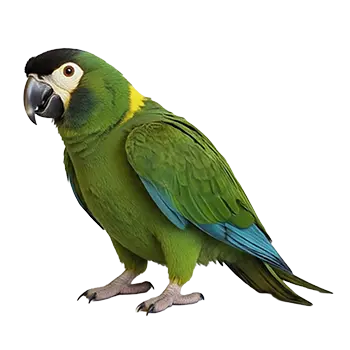

Successful travel with a Yellow-Collared Macaw begins well before the day of departure. Birds that have never been transported outside the home can find the experience profoundly stressful, and gradual desensitization is one of the most effective tools available to minimize anxiety. Weeks or even months before a planned trip, owners should introduce their macaw to the travel carrier in a low-pressure, positive-association context. Placing the carrier in the bird's familiar living area with the door open, offering treats and favorite foods inside, and allowing the macaw to explore the enclosure at its own pace builds familiarity and reduces the likelihood of panic when the carrier door closes on travel day.
A veterinary wellness check before any significant journey is strongly recommended. An avian veterinarian can assess the bird's overall health, identify any underlying conditions that might be exacerbated by the stress of travel, and provide documentation of the bird's health status that may be required by airlines, border authorities, or destination jurisdictions. This visit is also an appropriate time to discuss whether any supportive measures, such as probiotic supplementation or dietary adjustments in the days leading up to travel, might benefit the individual bird.
Assembling a travel kit tailored to the Yellow-Collared Macaw's needs is an essential preparatory step. The kit should include a supply of the bird's regular pellet and seed mix, familiar fresh foods that travel well, a portable water dispenser or bottles of non-chlorinated water, paper towels or disposable cage liners, a basic first-aid kit suitable for birds, and any medications the bird takes regularly. Having these items organized and easily accessible reduces the need to search through luggage during transit and ensures that the bird's routine can be maintained as closely as possible.
Owners should also consider the behavioral implications of travel preparation. Yellow-Collared Macaws are perceptive birds that can pick up on their owners' stress and anxiety, potentially amplifying their own distress. Maintaining a calm, matter-of-fact demeanor during packing and loading, speaking to the bird in a soothing tone, and avoiding sudden changes to the household routine in the days before departure all contribute to a smoother travel experience. The goal is to make the process feel as ordinary and unthreatening as possible for a species that is naturally alert to environmental changes.