
Preparing for Transport

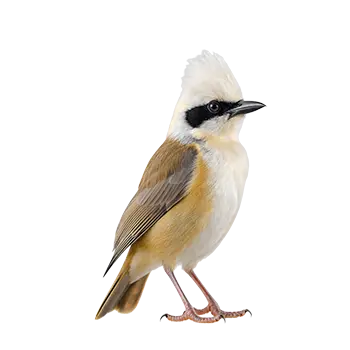
Transporting a White-crested Laughingthrush requires careful planning that accounts for the species' particular temperament, social nature, and sensitivity to environmental disruption. Unlike many parrot species that can develop a degree of comfort with travel through early exposure, laughingthrushes are inherently more reactive to novel situations and unfamiliar surroundings. Their strong flock instincts mean that separation from companions compounds the stress of travel, and their powerful legs and tendency to hop rather than perch make standard parrot travel carriers less than ideal without modification.

Preparation should begin well in advance of the travel date. The bird should be examined by a qualified avian veterinarian to confirm that it is in good health and fit for the stress of transport. This examination should include a physical assessment, a fecal parasite screen, and evaluation of body condition. Birds that are molting heavily, recovering from illness, or showing signs of stress-related feather damage should not be transported unless the move is medically necessary. The veterinarian can also advise on whether mild anxiolytic support is appropriate for the individual bird, a decision that depends on the duration of travel and the bird's known stress response.

Acclimating the bird to its travel carrier before the day of transport is one of the most effective steps a keeper can take to reduce transit stress. Placing the carrier in the bird's living space with the door open and food treats inside allows the laughingthrush to explore the enclosure on its own terms over a period of days or weeks. This gradual introduction converts the carrier from an alarming foreign object into a familiar space associated with positive experiences, which can meaningfully reduce the bird's anxiety when it is confined during actual transport.

For social species like the White-crested Laughingthrush, the question of whether to transport birds individually or in pairs or small groups requires careful consideration. Transporting a bonded pair or a small compatible group together can reduce stress by preserving social contact, but it also increases the risk of injury if the birds panic and thrash within a confined space. The decision should be based on the specific birds involved, the duration of travel, and the size of the available carrier. In general, short journeys favor group transport in a suitably sized container, while longer trips may be safer with individual housing to prevent fatigue-related aggression or injury.

Carrier Selection & Setup

Selecting an appropriate travel carrier for a White-crested Laughingthrush involves balancing the need for adequate space with the imperative of minimizing visual stimulation that can trigger panic responses. The ideal carrier for this species is a solid-sided container with ventilation openings positioned near the top, which provides airflow while limiting the bird's ability to see moving scenery, passing pedestrians, or other potential stressors outside the carrier. Wire-fronted carriers designed for parrots are generally less suitable because they allow too much visual input and provide surfaces that a thrashing bird can catch its toes or feathers on.

The interior of the carrier should be fitted with a low, padded perch positioned close to the floor to accommodate the laughingthrush's preference for lower perching positions and its tendency to hop to the floor when startled. The perch diameter should be appropriate for the bird's foot size, typically around 15 to 20 millimeters, and should be wrapped in veterinary-grade self-adhesive bandage or similar material to improve grip and reduce the risk of foot injuries during sudden movements. The carrier floor should be lined with a non-slip material such as a rubber shelf liner topped with a layer of paper toweling for absorbency.

Dimensions matter significantly. A carrier for a single White-crested Laughingthrush should be large enough to allow the bird to turn around comfortably and extend its wings partially, but not so large that the bird can build up speed and injure itself during a panic flight. For a bird measuring approximately 28 to 30 centimeters in body length, a carrier with interior dimensions of roughly 35 centimeters long by 25 centimeters wide by 30 centimeters tall provides a reasonable balance. For pairs traveling together, these dimensions should be increased proportionally, and a divider that can be removed or installed as needed gives the keeper flexibility to separate the birds if conflict arises.

Water provision during transport requires a spill-resistant approach. Standard open water dishes will splash and soak the bird and carrier interior within minutes of vehicle movement. Small vacuum-style water dispensers designed for travel cages, or water-soaked pieces of fruit such as apple or grape placed in a shallow dish, provide hydration without the flooding risk. For journeys longer than a few hours, a small dish of the bird's familiar soft food or a mixture of moistened pellets and diced fruit should be secured to the carrier wall or floor to maintain caloric intake.

Ground Transport by Vehicle

Vehicle transport is the most common means of moving White-crested Laughingthrushes over short to moderate distances, and attention to a few key factors can make the difference between a smooth journey and a stressful ordeal for both bird and keeper. The carrier should be positioned in the vehicle where it is most stable and least exposed to temperature extremes, which in most cars means the rear seat or the floor behind the front passenger seat. The carrier must be secured with a seatbelt or wedged firmly so that it cannot slide or tip during braking, acceleration, or turns. Placing the carrier in an open truck bed, on the rear parcel shelf, or in direct sunlight behind a windshield is dangerous and should never be done.

Temperature management is critical throughout the journey. White-crested Laughingthrushes are adapted to the relatively mild and stable temperatures of montane forests and can suffer thermal stress at extremes that many other pet birds tolerate. The vehicle interior should be maintained between approximately 18 and 26 degrees Celsius throughout the trip. In warm weather, air conditioning should be used to prevent overheating, but the vents should not blow directly on the carrier. In cold weather, the car heater should be running before the bird is loaded, and the carrier should be shielded from direct drafts.

Noise management deserves more attention than most keepers give it. The enclosed environment of a car amplifies road noise, engine vibration, and audio from the vehicle's entertainment system, all of which can agitate a sensitive species. Keeping the radio off or at very low volume, driving smoothly to minimize sudden acceleration and braking, and avoiding routes with heavy truck traffic or rough road surfaces all contribute to a calmer transit experience. Some keepers find that partially covering the carrier with a light cloth further reduces visual and acoustic stimulation, though airflow through the ventilation openings must not be obstructed.

For journeys exceeding two to three hours, planned rest stops allow the keeper to check on the bird, offer water and food, and assess the bird's condition. During stops, the carrier should never be left in a parked vehicle, as interior temperatures can rise or fall to dangerous levels within minutes regardless of outside weather. If the bird must be left briefly, the car should remain running with climate control active and the keeper should return as quickly as possible. Upon arrival at the destination, the bird should be transferred to its permanent enclosure promptly and allowed to settle in a quiet, dimly lit environment before being reintroduced to companions or normal household activity.

Air Transport & Airline Policies

Air transport of White-crested Laughingthrushes is a more complex undertaking than ground travel and is typically reserved for situations where no practical alternative exists, such as long-distance relocations, transfers between zoological institutions, or international breeder shipments. Most commercial airlines do not permit passerine birds in the passenger cabin, meaning that laughingthrushes must travel as checked live animal cargo or through dedicated animal transport services. The specific policies governing avian cargo vary by airline and by route, and keepers must contact the carrier's live animal department well in advance to confirm requirements and make reservations.

The International Air Transport Association publishes Live Animals Regulations that establish baseline standards for the containers, labeling, documentation, and handling procedures required for shipping live birds by air. These regulations specify minimum container dimensions based on bird size, ventilation requirements, labeling for orientation and live animal contents, and temperature ranges within which birds may be accepted for transport. Airlines that are IATA members are required to comply with these standards, though individual carriers may impose additional requirements or restrictions beyond the IATA baseline.

Container construction for air transport must meet more rigorous standards than those for ground travel. IATA-compliant containers for passerines are typically constructed of sturdy plywood or molded plastic with adequate ventilation holes, a secure locking mechanism, and absorbent liner material on the floor. The container must be clearly labeled with the species name, the number of birds contained, handling instructions, and contact information for both the shipper and the recipient. For White-crested Laughingthrushes, which are robust, active birds, the container should be reinforced at potential weak points and the interior should be free of any protrusions or gaps where a panicked bird could injure itself.

Timing the shipment to avoid temperature extremes is essential. Most airlines impose temperature embargoes that prevent live animal shipments when ground temperatures at the origin, destination, or connecting airports exceed or fall below specified thresholds. For a species like the White-crested Laughingthrush, which is less tolerant of extreme heat than many tropical parrots, shipping during the cooler months or on early morning flights reduces the risk of heat stress during ground handling. Keepers should request temperature-controlled holding facilities at both origin and destination airports whenever this option is available.

Documentation & Cross-Border Requirements

Moving a White-crested Laughingthrush across jurisdictional boundaries, whether between states, provinces, or countries, triggers documentation requirements that must be satisfied before the bird enters transit. The specific paperwork varies by jurisdiction, but several categories of documentation are broadly applicable and should be assembled well in advance of travel. Failure to present required documents at checkpoints, airports, or border crossings can result in the bird being confiscated, quarantined, or returned to the point of origin at the owner's expense.

A veterinary health certificate is the most universally required document for transporting live birds. In the United States, the USDA-accredited Certificate of Veterinary Inspection must be issued within a specified number of days before travel, typically 10 to 30 days depending on the destination state's requirements. The certificate must identify the bird by species, band number, and physical description, and must attest that the bird has been examined and found free of clinical signs of infectious disease. For international shipments, the health certificate must typically be endorsed by the national veterinary authority of the exporting country and may require additional testing, such as avian influenza or psittacosis screening.

Proof of legal acquisition and captive-bred origin is the second critical category of documentation. This includes the original purchase receipt or breeder certificate, the closed leg band number that matches the bird to its documentation, and any permits or registrations required by the keeper's home jurisdiction. For international moves, documentation demonstrating that the bird is captive-bred rather than wild-caught is essential, as many countries impose stricter import requirements or outright bans on wild-sourced birds. In the European Union, Article 10 certificates issued under the Wildlife Trade Regulations serve as the standard proof of legal captive-bred status.

Import permits from the destination country must be obtained before the bird departs. Many countries require advance application for permits to import exotic bird species, and processing times can range from several weeks to several months. The permit application typically requires details about the species, the purpose of the import, the facility where the bird will be housed, and evidence of compliance with any quarantine requirements. Some countries mandate post-arrival quarantine periods during which the bird must be held in an approved facility and tested for specified diseases before being released to its owner. Keepers planning an international move should begin the permitting process at least three to six months before the intended travel date to allow adequate time for processing and any required testing.

Post-Transport Recovery & Settling In

The period immediately following transport is critical for the White-crested Laughingthrush's physical recovery and psychological adjustment. Even a well-planned journey imposes stress on the bird, and the transition from travel carrier to a new or returned-to enclosure should be managed with deliberate care. The receiving environment should be prepared before the bird arrives, with food and water stations filled, perches and shelter in place, and the lighting dimmed to a level that encourages calm exploration rather than alarm.

Upon arrival, the carrier should be placed inside or adjacent to the destination enclosure and the door opened to allow the bird to emerge at its own pace. Forcing a laughingthrush out of a carrier by reaching in and grabbing it compounds the stress of the journey and can cause injury to both bird and handler. Most birds will exit the carrier within 15 to 30 minutes once they sense the larger space available and detect the presence of food and water. During this transition period, the area should be kept quiet and free of other pets, loud conversation, and sudden movements.

Monitoring the bird's behavior and physical condition over the first 48 to 72 hours after transport provides important information about how well it has tolerated the journey. Signs of normal recovery include gradual resumption of feeding, preening, and vocalizing within the first day. Warning signs that warrant veterinary attention include prolonged fluffing of the feathers, refusal to eat or drink for more than 12 hours, labored breathing, discharge from the nares or eyes, or unusual lethargy. Droppings should be monitored for consistency and color, as stress-related changes in gastrointestinal function often manifest within the first day or two after transport.

If the White-crested Laughingthrush is being introduced to an existing group following transport, the reintroduction should be managed gradually. Placing the new arrival in a separate but visible enclosure adjacent to the established group allows visual and vocal contact while preventing physical conflict during a period when the transported bird is still recovering from travel stress. Once the bird is eating normally, vocalizing confidently, and showing interest in the neighboring birds, supervised introduction into the shared space can proceed. For a highly social species like the White-crested Laughingthrush, successful reintegration into a group is one of the most reliable indicators that the bird has fully recovered from the transport experience.

Keepers who transport their birds regularly, whether for veterinary appointments, exhibition, or relocation, will find that individual laughingthrushes develop varying levels of tolerance for travel over time. Some birds become noticeably calmer with repeated exposure to the routine of carrier loading, vehicle movement, and arrival at a new location, while others remain consistently reactive regardless of experience. Tailoring the transport protocol to the individual bird's temperament, and accepting that some individuals will always find travel more stressful than others, is part of the nuanced care that this socially complex species demands.

Always consult a qualified professional before making any health-related decisions. This content is provided for informational reference only and should not replace professional guidance specific to your animal.