
Car Travel

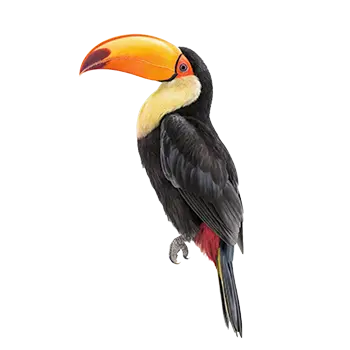
Transporting a toucan by car requires careful preparation to ensure the bird's safety and minimize stress during the journey. A sturdy, well-ventilated travel carrier is essential, and it should be large enough for the toucan to perch comfortably but not so spacious that the bird is thrown around during sudden stops or turns. The carrier should be secured with a seatbelt or placed on a flat, stable surface in the vehicle to prevent shifting during transit.

Temperature control is a critical concern when traveling with toucans by car. As tropical birds, toucans are sensitive to cold and to rapid temperature fluctuations. The vehicle's interior should be maintained at a comfortable, stable temperature throughout the trip, and the carrier should never be placed in direct sunlight or near air conditioning vents that could create drafts. During rest stops, the car should never be left unattended with the bird inside, as interior temperatures can rise or fall to dangerous levels within minutes.

Feeding and hydration during car travel require some advance planning. Toucans have high metabolic rates and need regular access to fresh fruit and water. For short trips, a supply of diced soft fruit such as papaya, blueberries, or grapes can be offered at rest stops. For longer journeys, a shallow water dish attached to the carrier can help maintain hydration, though spillage should be managed with absorbent liner material on the carrier floor.

Stress reduction is an important consideration for toucan car travel. Covering the carrier with a lightweight cloth can help calm a nervous bird by reducing visual stimulation. Playing soft ambient sounds or familiar household noise can also provide comfort. Owners should plan routes that minimize travel time and avoid rough roads, heavy traffic, or other conditions that could increase the bird's anxiety. Acclimating the toucan to the carrier through short practice trips before a longer journey can also help reduce travel-related stress.

Air Travel

Air travel with a toucan is considerably more complex than car travel and requires extensive advance planning. Most commercial airlines restrict or prohibit exotic birds from traveling in the cabin, meaning toucans must typically be transported as cargo or checked baggage in a pressurized, climate-controlled hold. Policies vary significantly between airlines, and some carriers refuse to transport exotic bird species altogether. Owners should contact airlines well in advance to confirm policies and make arrangements.

The International Air Transport Association sets standards for the containers used to transport live animals by air. Toucan travel crates must meet IATA Live Animals Regulations, which specify requirements for construction materials, ventilation, size, labeling, and food and water provisions. The crate must be rigid, escape-proof, and clearly marked with orientation arrows, live animal labels, and emergency contact information. Working with an experienced animal shipping company can help ensure compliance with these requirements.

Health documentation is a mandatory component of air travel with a toucan. A veterinary health certificate issued within a specified timeframe before departure is typically required by both the airline and the destination authorities. For international flights, additional documentation including CITES permits, import licenses, and quarantine clearances may be necessary. Processing these documents can take weeks or months, so early planning is essential.

The stress of air travel can be significant for toucans, and owners should take steps to mitigate it. Familiarizing the bird with its travel crate in the days before departure, providing familiar perching surfaces and food items, and scheduling flights during moderate weather conditions can all help reduce the physiological impact of the journey. Direct flights are strongly preferred to minimize transit time and the risk of delays or mishandling during layovers.

Pet-Friendly Accommodations

Finding suitable accommodations while traveling with a toucan presents unique challenges that go beyond the typical pet-friendly hotel search. The vast majority of hotels and vacation rentals that advertise pet-friendly policies are accommodating dogs and cats, not exotic birds. Toucan owners should contact properties directly to discuss their specific needs and confirm that exotic birds are welcome before making reservations.

When evaluating potential accommodations, toucan owners should consider factors such as room temperature control, noise levels, and the availability of a secure space where the bird can be safely housed. A room with reliable climate control and windows that can be secured against accidental escape is ideal. Owners should also inquire about the property's policy on noise, as toucan vocalizations may disturb neighboring guests and could result in complaints or eviction from the property.

Vacation rental platforms may offer more flexibility than traditional hotels for exotic bird owners. Private homes, cabins, or cottages rented through these platforms can provide a more controlled environment, and direct communication with property owners allows for clearer negotiation of terms. However, owners should always disclose the presence of the toucan in advance and obtain explicit written permission to avoid disputes.

For extended stays or cross-country relocations, some toucan owners opt to travel with a portable enclosure or play stand that can be set up in the accommodation to give the bird a familiar space outside its travel carrier. Bringing along the toucan's regular food, favorite toys, and perching materials can help maintain a sense of routine and reduce the stress of unfamiliar surroundings. Planning accommodations along the route in advance, rather than searching for options on the road, is strongly recommended.

Boarding & Pet Sitting

When travel without the toucan is the best option, finding qualified boarding or pet sitting services for an exotic bird requires more effort than arranging care for a dog or cat. Most conventional boarding facilities are not equipped to handle toucans and may lack the knowledge, enclosures, or dietary capabilities necessary for safe care. Toucan owners should seek out facilities or individuals with specific experience caring for softbill birds or exotic avian species.

Avian veterinary clinics sometimes offer boarding services for exotic birds and can be an excellent option for toucan owners. These facilities typically have staff trained in bird handling, appropriate enclosure setups, and the ability to monitor the bird's health during the owner's absence. The presence of veterinary professionals on site also provides a safety net in the event of a medical issue.

Private pet sitters who specialize in exotic birds are another option, and some toucan owners prefer this arrangement because it allows the bird to remain in its familiar home environment. When hiring a pet sitter for a toucan, the owner should provide detailed written care instructions covering diet preparation, enclosure cleaning, behavioral cues to monitor, and emergency contact information for the bird's avian veterinarian. A trial visit before the owner's departure can help ensure that the sitter is comfortable with the bird and that the toucan tolerates the sitter's presence.

Networking within the avicultural community can be invaluable for finding reliable toucan care. Local bird clubs, online toucan owner groups, and avicultural societies often maintain informal referral networks for pet sitting and boarding. Fellow toucan owners may be willing to provide reciprocal care arrangements, offering the advantage of knowledgeable handling and a sympathetic understanding of the bird's needs.

Emergency Preparedness

Emergency preparedness is an essential component of responsible toucan ownership, whether at home or on the road. Natural disasters, power outages, medical emergencies, and other unforeseen events can create dangerous situations for exotic birds, and having a plan in place can make the difference between a manageable disruption and a crisis. Every toucan owner should maintain a written emergency plan that addresses evacuation, shelter, medical care, and communication.

A toucan emergency kit should include a travel carrier, a supply of the bird's regular food sufficient for at least seventy-two hours, bottled water, a basic first aid kit tailored for avian species, copies of veterinary records and ownership documents, and contact information for the bird's veterinarian and local emergency animal hospitals. This kit should be kept in an accessible location and checked periodically to ensure that supplies are fresh and complete.

Evacuation planning for toucan owners should account for the fact that many emergency shelters do not accept pets, and even fewer accommodate exotic animals. Identifying pet-friendly hotels, friends or family members willing to host the bird, and avian boarding facilities along potential evacuation routes is a prudent precaution. Some communities maintain lists of emergency animal sheltering resources, and connecting with local animal control or emergency management agencies in advance can provide valuable information.

During extreme weather events, toucans are particularly vulnerable to cold temperatures and power outages that disable heating systems. Owners should have a plan for maintaining warmth in the bird's environment during extended power failures, which may include battery-operated space heaters, insulated cage covers, or relocation to a heated facility. Conversely, in hot climates, contingency plans for cooling are equally important. Practicing the emergency plan periodically, including loading the bird into its travel carrier and driving a short distance, can help ensure that both the owner and the toucan are prepared when an actual emergency occurs.

Always consult a qualified professional before making any health-related decisions. This content is provided for informational reference only and should not replace professional guidance specific to your animal.