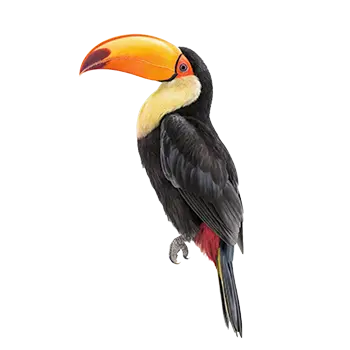

The international trade in toucans is governed primarily by the Convention on International Trade in Endangered Species of Wild Fauna and Flora, commonly known as CITES. Several toucan species are listed under CITES appendices, which regulate the conditions under which they may be traded across international borders. The specific appendix listing determines the level of documentation and oversight required for any legal transaction involving live birds, feathers, or other toucan-derived products.
Under CITES, the export of wild-caught toucans from their countries of origin typically requires permits issued by the national wildlife authority of the exporting country. These permits are granted only when the export is determined to be non-detrimental to the survival of the species in the wild. Importing countries also require corresponding documentation, and both parties must ensure compliance with the regulations of their respective national CITES management authorities.
The CITES framework has been instrumental in reducing the volume of wild-caught toucans entering the international pet trade. Prior to the implementation of CITES controls, significant numbers of toucans were trapped in the wild and exported to meet demand from collectors and pet owners in North America, Europe, and Asia. Stronger enforcement of trade regulations has shifted the market toward captive-bred birds, though illegal trafficking remains a concern in some regions.
Prospective toucan owners should be aware that CITES compliance is a legal requirement, not an optional consideration. Purchasing a toucan without proper documentation can result in confiscation of the bird, fines, and criminal charges. Reputable breeders and dealers will always be able to provide the necessary paperwork demonstrating that their birds were legally bred and acquired.